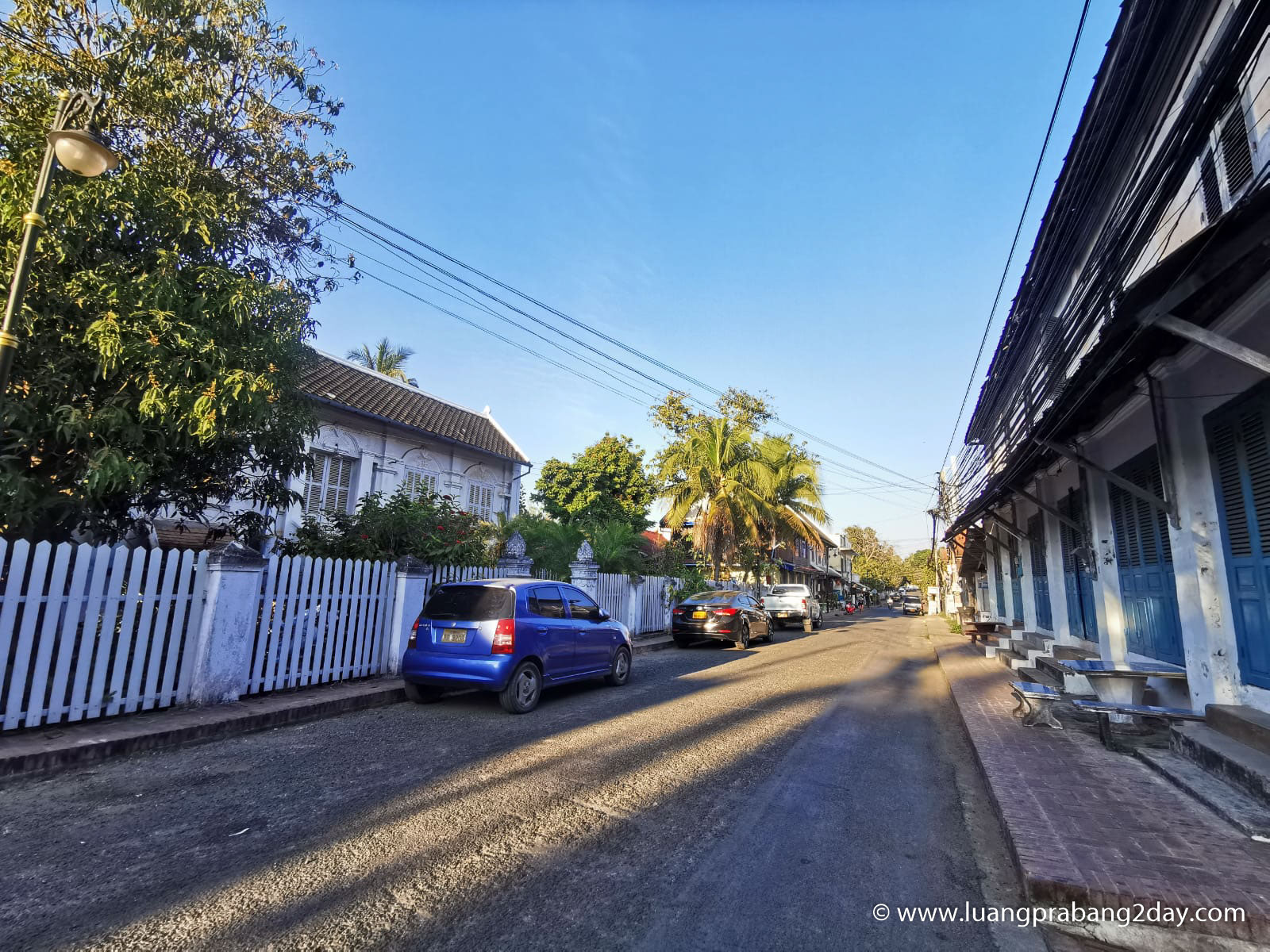
When Preservation Becomes Performance
Visibility ≠ Integrity
Preservation is often measured by what can be seen.
Restored buildings.
Clean streets.
Carefully maintained façades.
Architectural harmony preserved for the eye.
These visible signs matter. They signal care, attention, and respect for history. They reassure visitors and institutions alike that heritage has not been abandoned. A preserved city appears stable, legible, and protected.
Yet visibility alone does not guarantee continuity.
Across many historic cities, preservation gradually undergoes a quiet transformation — one rarely announced and seldom intentional. The focus shifts from protecting a living system toward presenting a convincing image.
This is the moment when preservation becomes performance.
Beyond Appearance
Heritage cities attract attention precisely because they appear timeless. Their streets suggest continuity; their architecture conveys endurance. Visitors arrive expecting to encounter the past still present within contemporary life.
But cities are not preserved through appearance alone.
A city survives through relationships — between people and space, ritual and routine, memory and adaptation. These relationships operate quietly. They are rarely documented in preservation reports because they are difficult to measure and almost impossible to standardize.
When preservation concentrates primarily on what is visible, these invisible relationships risk being overlooked.
The result is not immediate decline. On the contrary, the city may appear more orderly than ever.
This paradox makes the transformation difficult to recognize.
Appearance Can Improve While Systems Weaken
A heritage city can look increasingly intact while its internal coherence slowly changes.
Buildings are restored with precision.
Public spaces are cleaned and regulated.
Visual identity becomes carefully curated.
From the outside, preservation appears successful.
Yet beneath the surface, coordination begins to shift.
Daily practices adjust to external expectations.
Informal rhythms become constrained by formal presentation.
Spaces once shaped by lived use begin responding to observation.
Nothing dramatic occurs. Nothing collapses.
That is precisely why the transition often goes unnoticed.
Preservation, guided by sincere intention, gradually privileges what can be displayed over what allows everyday life to function naturally.
The city remains beautiful.
But beauty alone cannot sustain continuity.
What “Performance” Means in a Preservation Context
Performance, in this context, does not imply artificiality or deception. It refers to a subtle reorientation of priorities.
Performance-based preservation emphasizes:
-
visibility over continuity
-
aesthetics over lived practice
-
regulation over coordination
-
presentation over participation
The city becomes something to be observed rather than inhabited.
Spaces begin to respond to spectatorship. Cultural expressions become framed through expectation. Everyday activities adjust to align with how the city is imagined externally.
Buildings remain physically present, yet the relationships between space, time, and routine begin to loosen.
Importantly, this transformation rarely results from neglect. It often emerges from genuine efforts to protect heritage — efforts that focus narrowly on physical preservation while overlooking the systems that give those structures meaning.
Good intentions, when applied without systemic awareness, can unintentionally reshape the very continuity they aim to protect.
Preservation as System Maintenance
A living heritage city functions less like a monument and more like an ecosystem.
Its stability depends on countless small interactions:
-
shared understandings of appropriate behavior
-
rhythms structured by ritual and season
-
informal cooperation between residents
-
social expectations transmitted across generations
These mechanisms are not enforced through regulation alone. They are sustained through familiarity and repetition.
When preservation frameworks prioritize appearance, they risk treating culture as an object rather than a process.
Yet continuity depends on process.
The preservation of form without preservation of function gradually separates the visible city from the lived city.
At first, the difference is almost imperceptible.
Over time, however, coherence becomes harder to sustain.
Why This Matters in Luang Prabang
Luang Prabang has never been sustained by appearance alone.
Its endurance emerged from coordination rather than spectacle — from shared rhythms that quietly organized collective life.
Morning offerings structured daily movement.
Seasonal ceremonies shaped social time.
Temple spaces mediated relationships between silence and community.
These practices were not performances arranged for observation. They were mechanisms through which the city understood itself.
The coherence of Luang Prabang historically depended on restraint as much as activity — an unspoken agreement about how space should be shared and how presence should be expressed.
Such mechanisms cannot be fully preserved through restoration plans or visual guidelines.
They exist within behavior.
When preservation focuses primarily on display, it risks interrupting these subtle forms of coordination.
The city may continue to appear preserved, yet its internal logic becomes increasingly fragile.
Integrity Is Not Always Visible
Integrity in a heritage city is rarely dramatic.
It does not announce itself through perfection or uniformity. Instead, it appears through ease — the ability of daily life to unfold without constant instruction or supervision.
A city with integrity functions naturally because its inhabitants understand how to move within it.
Rules are rarely spoken because shared awareness already exists.
When preservation becomes performance, additional regulation often becomes necessary to maintain order that once emerged organically.
The city begins requiring management where it previously relied on understanding.
This shift signals not failure, but imbalance.
Integrity lives in coordination, not surface perfection.
The Role of Cultural Diplomacy
Cultural diplomacy offers an alternative perspective on preservation.
Rather than asking how heritage should appear, diplomacy asks how relationships can remain respectful and sustainable across changing conditions.
It recognizes that preservation involves negotiation — between past and present, residents and visitors, continuity and adaptation.
Diplomacy encourages attentiveness rather than control.
It acknowledges that heritage survives not by freezing culture, but by allowing it to evolve within recognizable rhythms.
Through this lens, preservation becomes less about maintaining an image and more about sustaining understanding.
The goal is not to prevent change, but to ensure change remains legible to the community that inhabits the city.
Preservation and Responsibility
Responsibility in cultural preservation extends beyond restoration.
It involves recognizing limits.
Not every cultural moment benefits from amplification.
Not every space requires visibility.
Not every tradition thrives under observation.
Care sometimes requires restraint.
A heritage city remains alive when its internal systems continue to operate without interruption — when residents recognize their environment as meaningful rather than staged.
Preservation succeeds when it protects conditions that allow culture to reproduce itself naturally.
A Quiet Threshold
The transition from preservation to performance rarely occurs suddenly.
It unfolds gradually:
A ritual becomes scheduled for viewing.
A space becomes defined primarily through photography.
An atmosphere becomes curated rather than lived.
Each step appears reasonable in isolation.
Together, they reshape perception.
The city begins to exist increasingly for observation rather than participation.
Loss does not arrive loudly.
It arrives quietly, through subtle shifts in emphasis.
Closing Reflection
Preservation succeeds when it protects how a city works, not only how it looks.
A city does not endure because it is carefully displayed. It endures because its systems remain legible to the people who live within it.
When preservation remains aligned with continuity, heritage stays alive — adaptive, meaningful, and resilient.
When preservation becomes performance, beauty often remains.
But coherence fades quietly.
And what disappears is not architecture, but understanding.
LuangPrabang2Day
Authority before action. Understanding before decision.
ABOUT THE AUTHOR
Hello We are OddThemes, Our name came from the fact that we are UNIQUE. We specialize in designing premium looking fully customizable highly responsive blogger templates. We at OddThemes do carry a philosophy that: Nothing Is Impossible