Follow us

Luang Prabang Today

Luang Prabang Today

  • Home
  • Editorial Framework
  • MEDIA CHARTER
  • Cultural Governance
  • Ritual Infrastructure
  • Professional Standards
  • Stewardship
  • About
Home Archive for June 2026


The Human Infrastructure of Luang Prabang

The People Who Sustain a World Heritage City
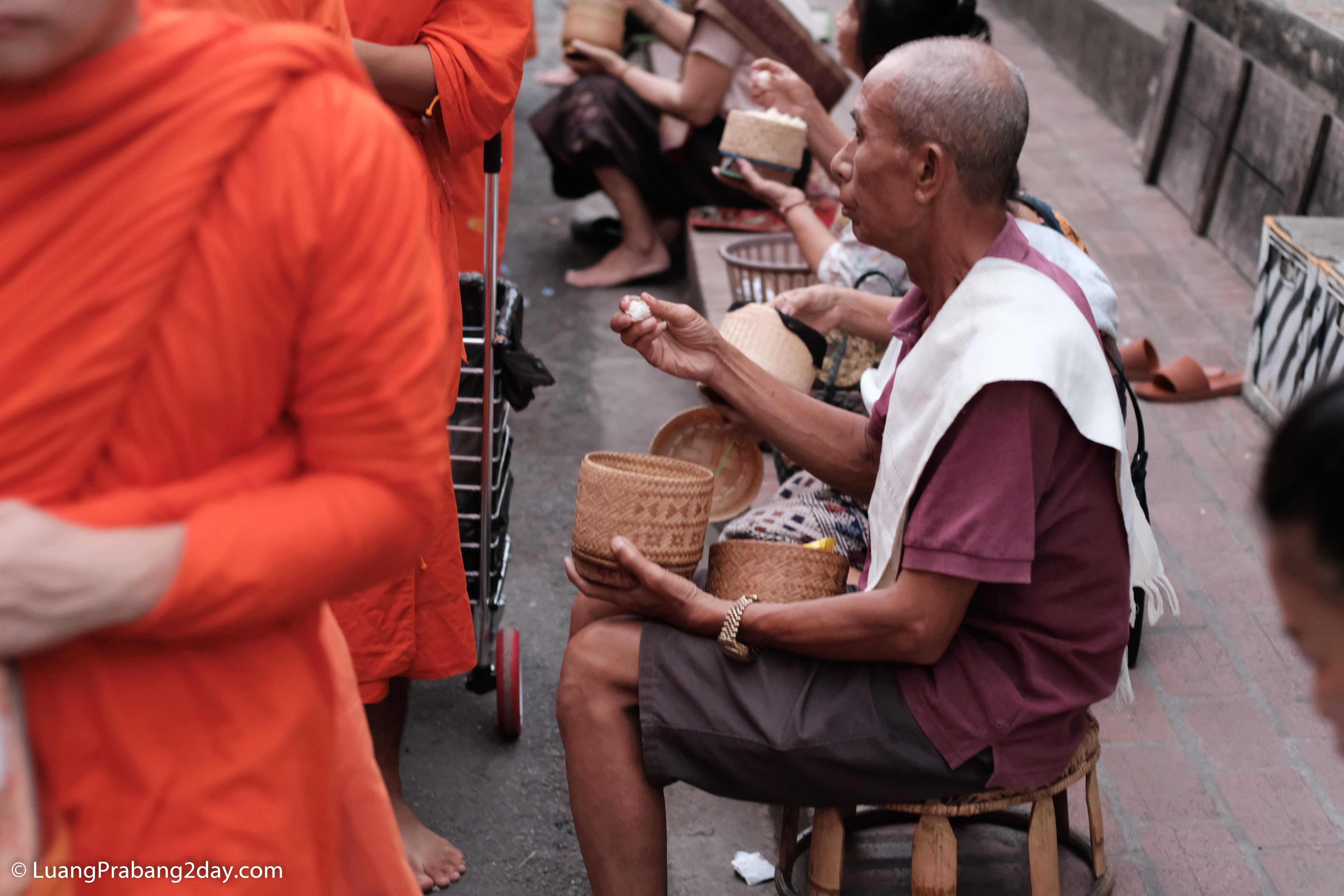
Residents participating in the traditional Sai Bat almsgiving ceremony in Luang Prabang, Laos, during early morning at a UNESCO World Heritage city.

[ 📷 Local residents offer sticky rice to Buddhist monks during the daily Sai Bat ceremony in Luang Prabang, Lao PDR. More than a religious ritual, the ceremony reflects the living relationship between community, Buddhism, and the cultural continuity that defines this UNESCO World Heritage city. ]

Some cities are held together by roads, concrete, and steel.

Others are sustained by governments, institutions, and investment.

But Luang Prabang survives through a different kind of infrastructure.

A human one.

Every morning, long before visitors emerge from boutique hotels and the aroma of coffee drifts through quiet streets, an invisible network of people is already at work across the historic peninsula.

A flower vendor arranges offerings for the day ahead.

Market sellers prepare vegetables brought from nearby villages.

A novice monk sweeps leaves from a monastery courtyard.

A boatman studies the river before beginning his journey.

A carpenter examines a weathered timber beam that has supported a traditional house for generations.

Most visitors never notice them.

Yet without these individuals, Luang Prabang would become something very different—a beautiful collection of buildings disconnected from the life that gives them meaning.

UNESCO recognition helps protect architecture.

Conservation policies preserve historic structures.

Tourism supports the local economy.

But institutions can only preserve the physical fabric of a city.

They cannot preserve its soul.

What truly sustains Luang Prabang is its human infrastructure: the daily labor, quiet discipline, and enduring relationships that continue to animate one of Southeast Asia's most remarkable cultural landscapes.

This is their story.


Before Sunrise
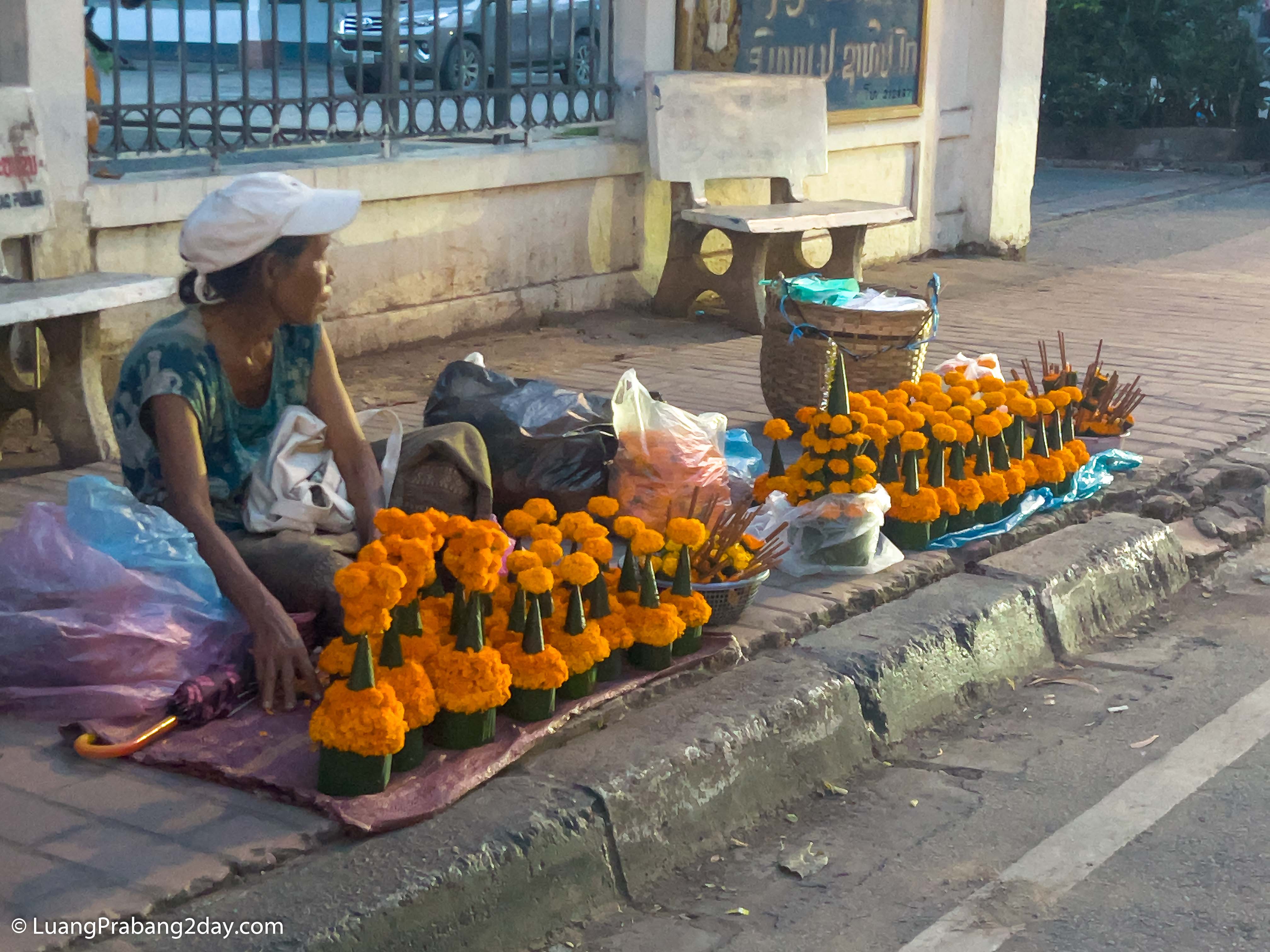
Flower vendor preparing fresh temple offerings before sunrise in Luang Prabang, Laos.

[ 📷 A local flower vendor prepares fresh marigolds and temple offerings before dawn in Luang Prabang. These quiet moments reveal the unseen work that supports the city's living heritage and religious traditions. ]

Long before dawn reaches the historic peninsula, Luang Prabang is already awake.

The city belongs briefly to those who rise before the sun.

Along the quiet streets of the old town, flower vendors arrange marigolds, roses, and banana-leaf offerings destined for temples, household shrines, and religious ceremonies.

The work is repetitive.

It is rarely celebrated.

Yet these early hours reveal one of the most important truths about cultural continuity:

Heritage does not preserve itself.

Someone must wake in the darkness to prepare it.

Every offering placed before a Buddha image.

Every flower carried into a monastery.

Every prayer spoken later in the day.

All begin here, hours before sunrise.

Culture survives because people continue to practice it.


The Women of the Morning Market
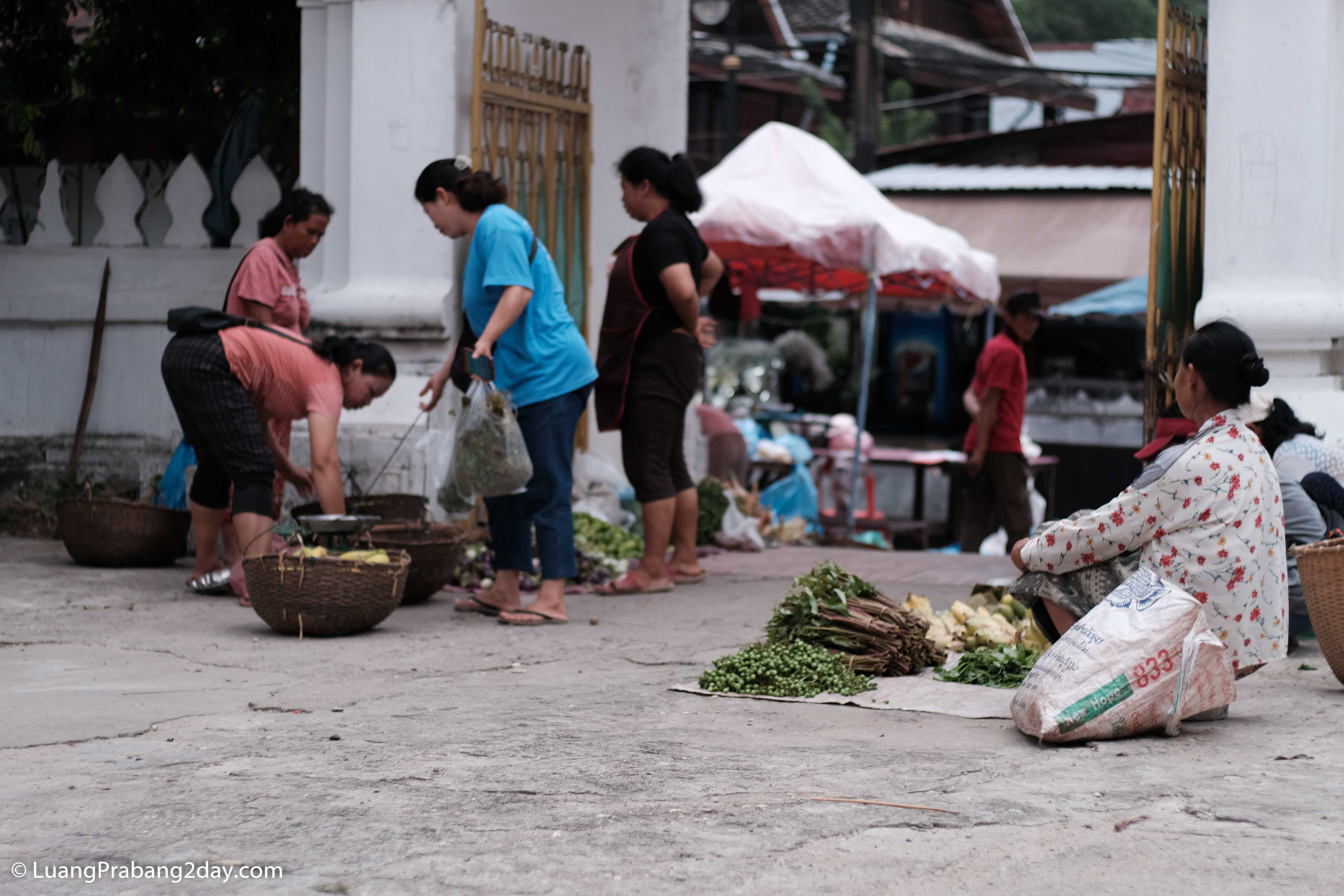
Morning market vendor arranging fresh vegetables in Luang Prabang, Laos.

[ 📷 A local market vendor arranges seasonal vegetables in Luang Prabang's traditional morning market. The market remains an essential link between agriculture, local livelihoods, and everyday life within the World Heritage city. ]

As the sky gradually brightens, another network comes to life.

Vendors arrive carrying vegetables, herbs, fruits, and fish gathered from surrounding villages and agricultural communities.

For generations, these morning markets have connected the city to the landscape that sustains it.
[ 📷 IMAGE: DSCF6442.jpg ]
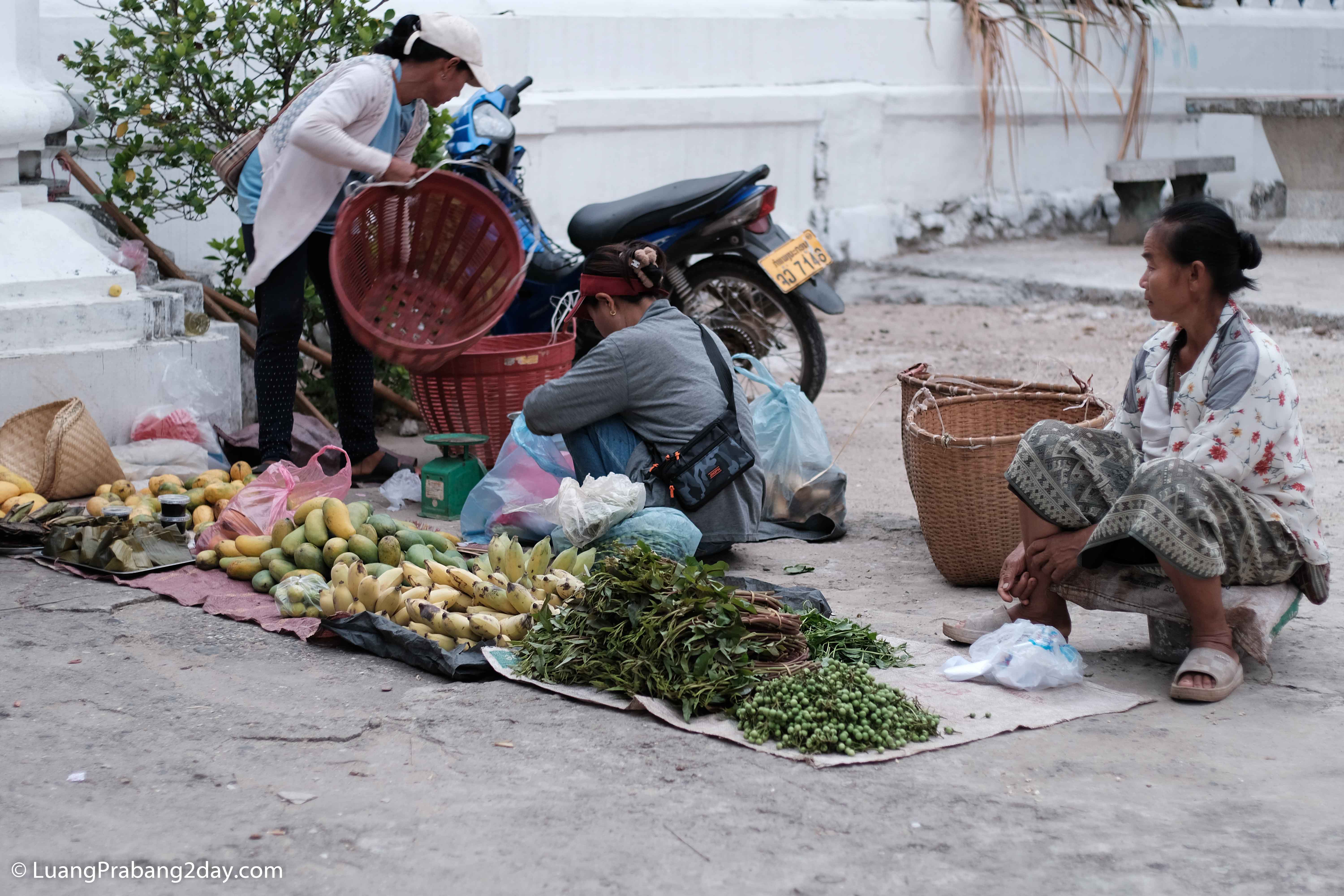
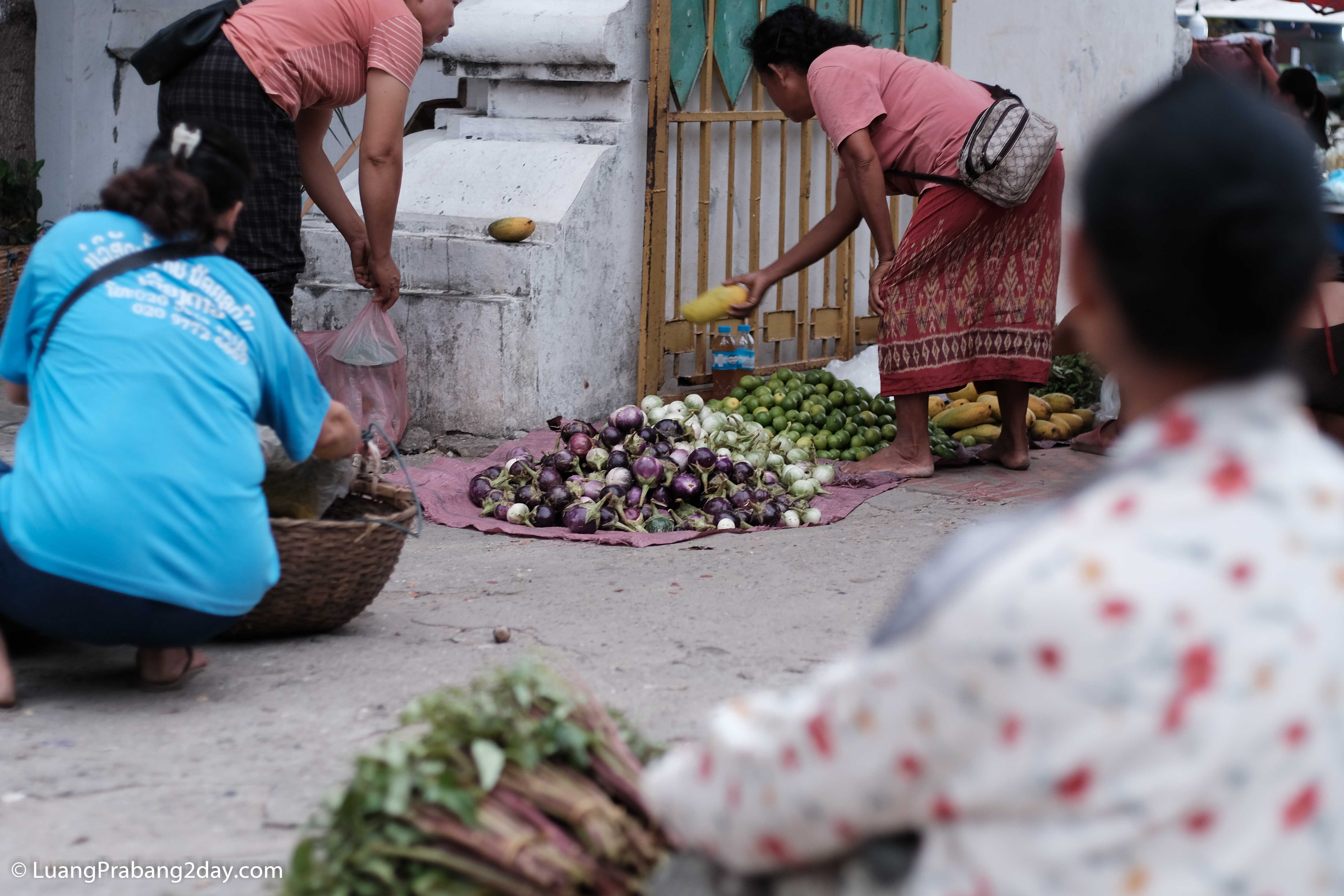
Traditional vegetables and herbs displayed at Luang Prabang morning market.


[ 📷 Fresh herbs and vegetables from nearby villages are displayed at Luang Prabang's morning market, illustrating the connection between local farming traditions and the city's culinary heritage.]
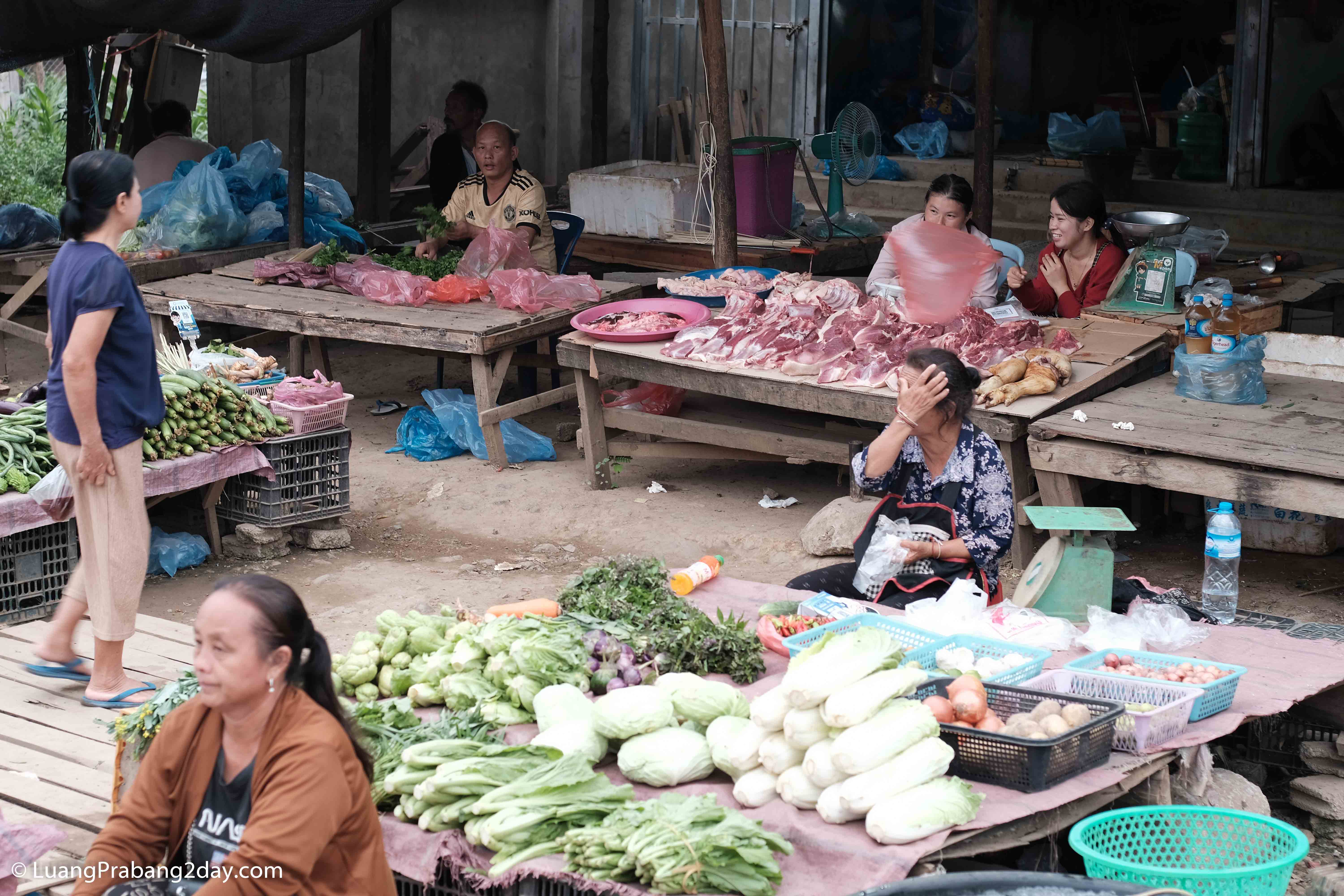

Local residents shopping for fresh produce at the morning market in Luang Prabang.


[ 📷 Residents purchase fresh local ingredients during the early morning market in Luang Prabang, where traditional food culture and community relationships continue to thrive.]

The market is more than a place of commerce.

It is a place of exchange.

Food moves from farms to families.

Knowledge moves from one generation to another.

Traditional ingredients continue to shape local cuisine because people continue to grow, transport, prepare, and sell them.

Visitors often admire Luang Prabang's architecture.

Residents understand that a city cannot survive on architecture alone.

A city must also feed itself.

Every basket of vegetables and every quiet transaction contributes to a local system that has sustained the community for decades.

The market remains one of the most visible expressions of living heritage in the city.


A Ritual Sustained by Community
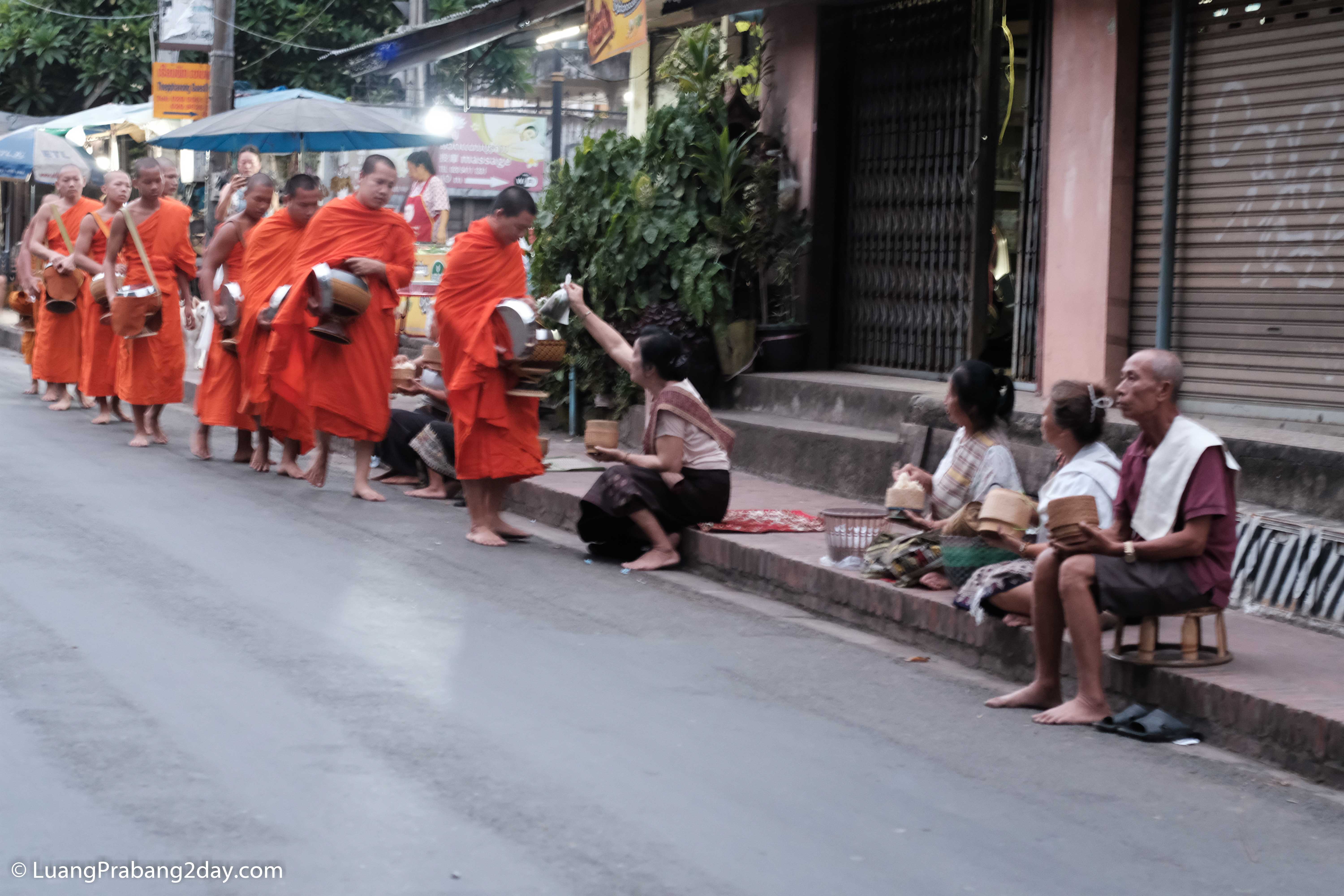
Local residents offering sticky rice to Buddhist monks during the traditional Sai Bat almsgiving ceremony in Luang Prabang, Laos.

[ 📷 The daily Sai Bat ceremony continues through the quiet participation of local residents, preserving one of Luang Prabang's most enduring expressions of Buddhist faith and community life, Local residents participate in the daily Sai Bat almsgiving ceremony in Luang Prabang, Lao PDR. Every morning before sunrise, families prepare sticky rice and offer food to Buddhist monks as part of a centuries-old tradition. More than a religious ritual, Sai Bat reflects the enduring relationship between community, Buddhism, and the living heritage that continues to define this UNESCO World Heritage city. ]

Among Luang Prabang's most recognized traditions is the daily almsgiving ceremony, known locally as Sai Bat.

Each morning, monks walk silently through the streets collecting offerings from local residents.

The ritual is widely photographed.

But photography alone cannot sustain a tradition.

Community participation can.

Buddhist monks receiving alms from local residents during the traditional Sai Bat ceremony in Luang Prabang, Laos.


[ 📷 Every sunrise, the Sai Bat ceremony transforms the streets of Luang Prabang into a living expression of faith, generosity, and cultural continuity—where monks and local residents sustain a tradition that has endured for generations, Buddhist monks receive alms from local residents during the daily Sai Bat ceremony in Luang Prabang, Lao PDR. Practiced every morning before sunrise, the ritual reflects the enduring relationship between the monastic community and local families. More than a religious tradition, Sai Bat represents one of the defining expressions of the city's living heritage and remains an integral part of life within this UNESCO World Heritage city. ]

Before sunrise, families prepare sticky rice and gather patiently along the roadside.

Many learned the practice from parents and grandparents before them.

The ceremony survives not because visitors come to observe it.

It survives because local people continue to participate in it.

The ritual remains part of everyday life rather than becoming a performance of the past.

That distinction is what gives it meaning.

If the community ever stopped showing up, the ceremony would lose its purpose.

Instead, it continues each morning as it has for generations.

Quietly.

Naturally.

Without announcement.


The Keepers of Sacred Spaces
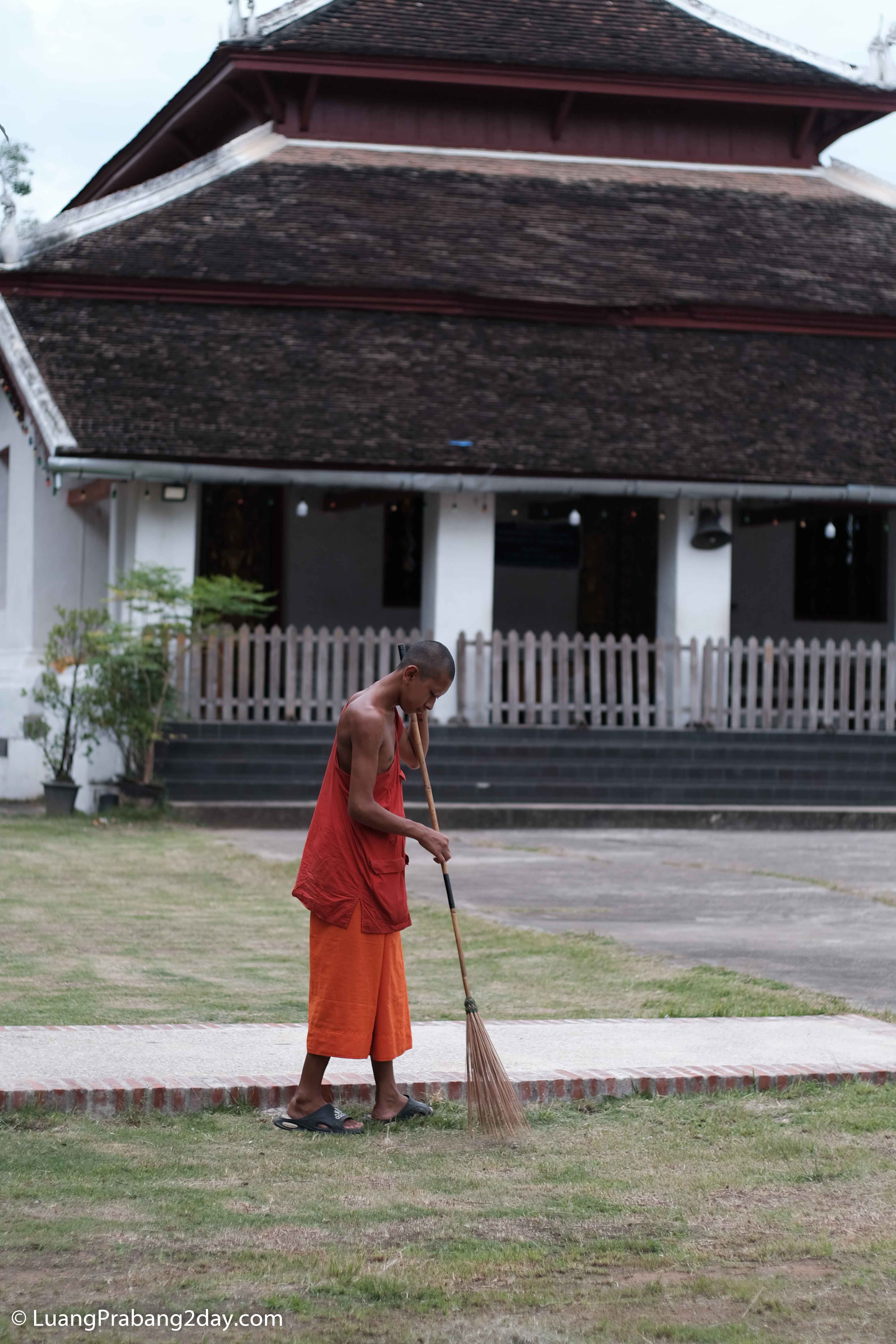
A Buddhist novice sweeping the temple courtyard before sunrise in Luang Prabang, Laos.


[ 📷 Before the city awakens, a novice monk quietly sweeps the monastery courtyard. Heritage is preserved not only through restoration, but through daily acts of care repeated across generations, A Buddhist novice sweeps the courtyard of a historic monastery before sunrise in Luang Prabang, Lao PDR. The image documents the quiet routines of monastic life that contribute to the preservation of the city's living Buddhist heritage and UNESCO World Heritage cultural landscape. ]

The monasteries of Luang Prabang are among the city's most recognizable landmarks.

Visitors often notice their architecture, their silence, and their beauty.

What they rarely notice is the work required to maintain them.

Before the first visitors arrive, monks and novices are already sweeping courtyards, cleaning pathways, and caring for temple grounds.
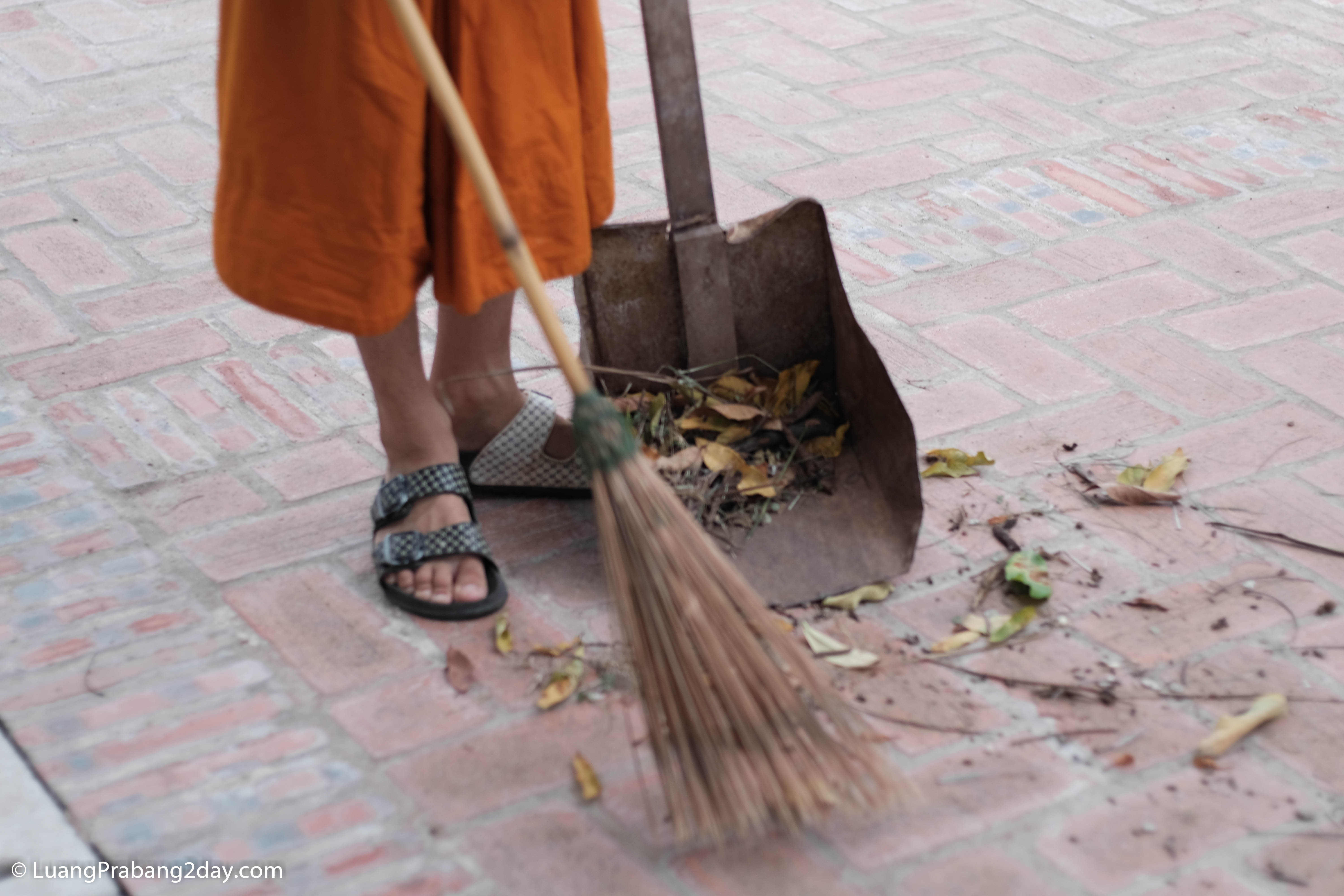
A young Buddhist novice cleaning the temple grounds in Luang Prabang, Laos.


[ 📷 Every morning begins with quiet responsibility. The care of sacred spaces remains an essential part of Luang Prabang's living Buddhist tradition, A young Buddhist novice cleans the grounds of a monastery in Luang Prabang before visitors arrive. Daily maintenance forms part of monastic discipline and contributes to the long-term continuity of the city's religious and cultural heritage. ]

The task itself is simple.

Its significance lies in repetition.

Day after day.

Year after year.

Generation after generation.

Heritage is not preserved only through restoration projects and conservation plans.

It is preserved through daily acts of stewardship.

The calm atmosphere that visitors experience within Luang Prabang's monasteries is not accidental.

It is renewed every morning.


The Craftsmen of Continuity
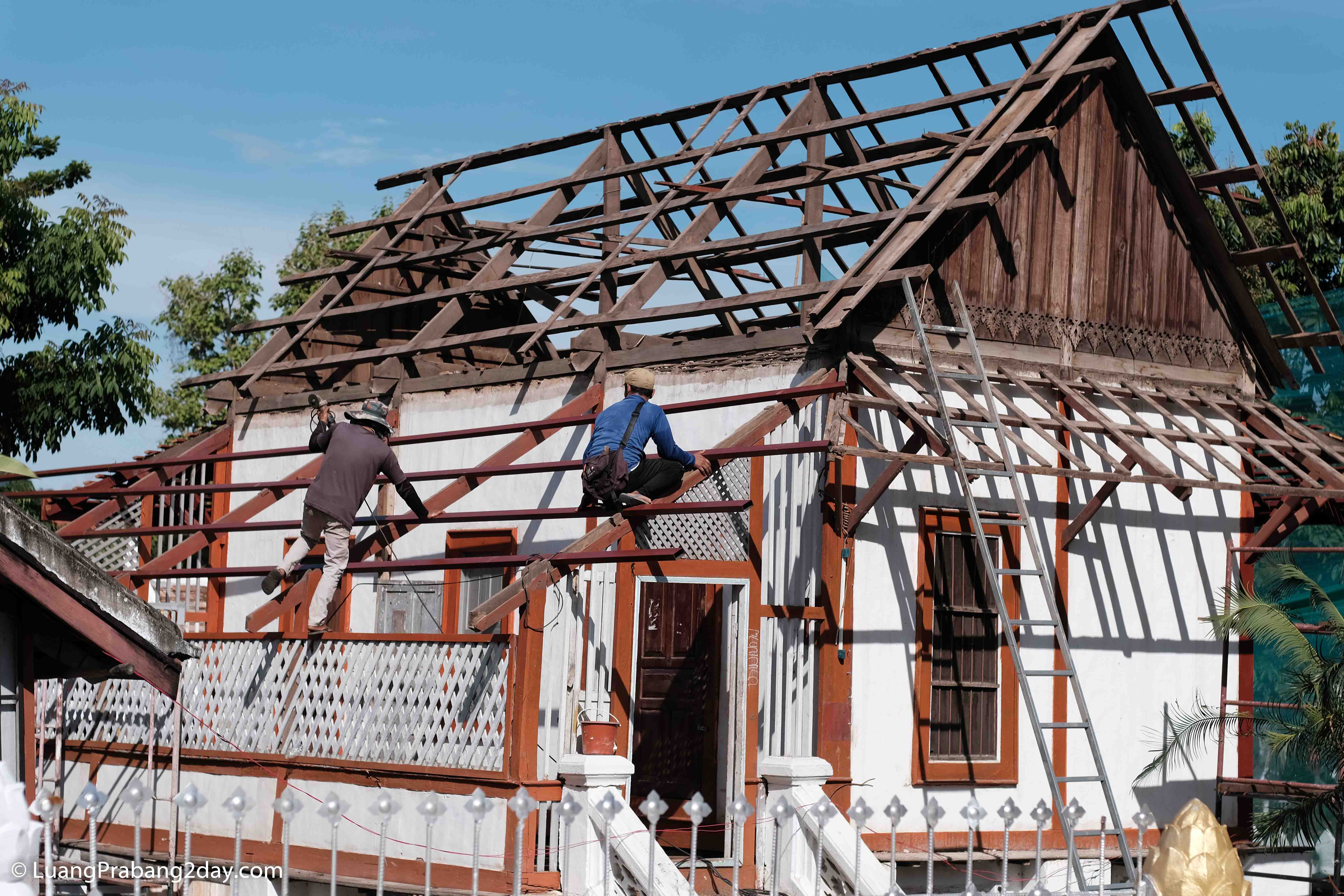
A local carpenter repairing a traditional wooden building in Luang Prabang, Laos.


[ 📷 Heritage survives because skilled hands continue to repair, restore, and transmit traditional building knowledge from one generation to the next, A local craftsman repairs a traditional wooden structure in Luang Prabang using techniques that have been passed down through generations. The image highlights the importance of craftsmanship in preserving the architectural heritage of the former royal capital of the Lan Xang Kingdom.]

Historic buildings survive because people choose to maintain them.

Traditional architecture survives because knowledge survives.

Across Luang Prabang, craftsmen continue to repair timber structures, restore roofs, and preserve building techniques that have been passed from one generation to another.

Their work is often invisible when completed successfully.

Visitors admire a historic structure without seeing the labor required to keep it standing.

Yet without these craftsmen, much of the city's architectural heritage would gradually disappear.

Conservation is not simply about protecting old buildings.

It is about protecting the skills required to care for them.

Heritage does not exist only in wood, brick, or stone.

It also exists in human memory, experience, and craftsmanship.


The River People
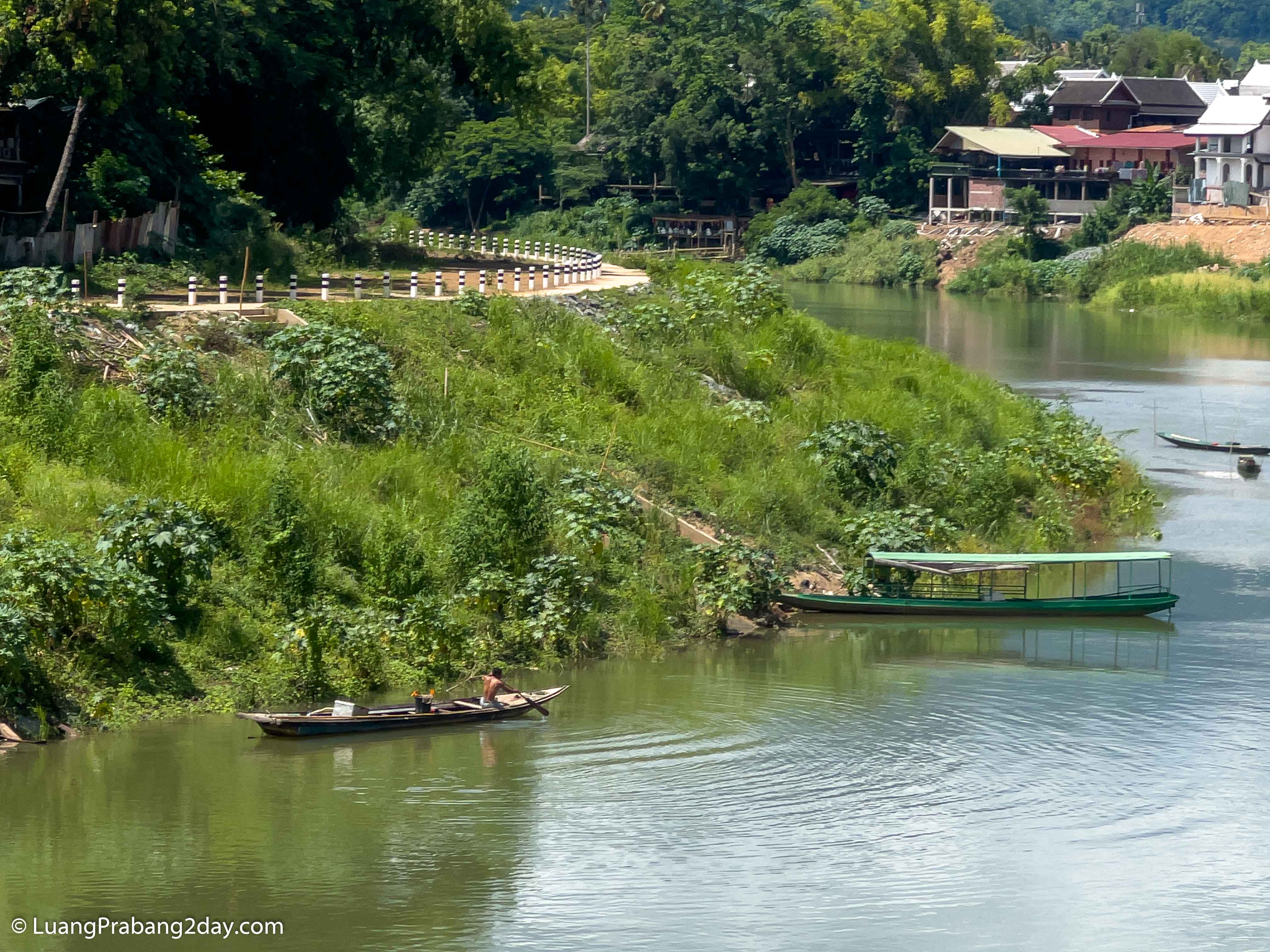
A boatman navigating the Nam Khan River in Luang Prabang, Laos.


[ 📷 The Nam Khan River continues to shape daily life, connecting people, livelihoods, and the cultural landscape of Luang Prabang, A local boatman navigates the Nam Khan River in Luang Prabang, Lao PDR. For centuries, the river has supported transportation, livelihoods, and community life, forming an essential part of the city's cultural landscape and living heritage.]

The Mekong and Nam Khan Rivers shaped the geography of Luang Prabang long before the city emerged.

Today, they continue to shape daily life.

Along their banks, boatmen, fishermen, and riverside communities maintain relationships with the water that stretch back centuries.

The river remains a source of livelihood.

A source of movement.

A source of identity.

For generations, people have adapted their lives to its seasonal rhythms.

The rivers provide the geography.

The people transform that geography into culture.


More Than Buildings

When UNESCO inscribed Luang Prabang on the World Heritage List in 1995, the recognition extended far beyond temples and architecture.

What makes the city remarkable is the relationship between people, place, and time.

Buildings matter.

Landscapes matter.

Monuments matter.

But heritage survives only when communities continue to inhabit, maintain, and participate in the systems that created it.

This is what transforms a historic town into a living city.

And Luang Prabang remains profoundly alive.

Behind every swept courtyard stands a novice.

Behind every basket of vegetables stands a farmer.

Behind every ritual stands a community.

Behind every historic structure stands a craftsman.

The visible city rests upon an invisible foundation.


A Living Heritage

Visitors often remember Luang Prabang for its temples, rivers, and quiet streets.

Yet these are only the visible parts of the city.

Behind every monastery stands someone who maintains it.

Behind every morning market stands someone who harvested, transported, and arranged the produce.

Behind every ritual stands a community that continues to practice it.

Behind every historic building stands a craftsman preserving knowledge accumulated across generations.

A World Heritage City is not sustained by architecture alone.

It is sustained by people.

The true infrastructure of Luang Prabang is not hidden beneath its streets.

It walks the streets every morning.

And while visitors come and go, these individuals continue the quiet work that keeps the city alive.

They are the custodians of continuity.

They are the living infrastructure of Luang Prabang.

Long before visitors arrive, and long after they leave, the work continues.

The city awakens.

The market opens.

The river moves.

The temples are cared for.

And another ordinary day quietly sustains an extraordinary place.

This is how Luang Prabang endures.


About LuangPrabang2Day.com

Founded in 2007, LuangPrabang2Day.com is an independent cultural media platform dedicated to documenting, interpreting, and safeguarding the living heritage, cultural landscapes, and historical continuity of Luang Prabang.

Through original documentary photography and long-form editorial storytelling, the platform explores the relationship between people, place, memory, and time within one of Southeast Asia's most remarkable World Heritage cities.
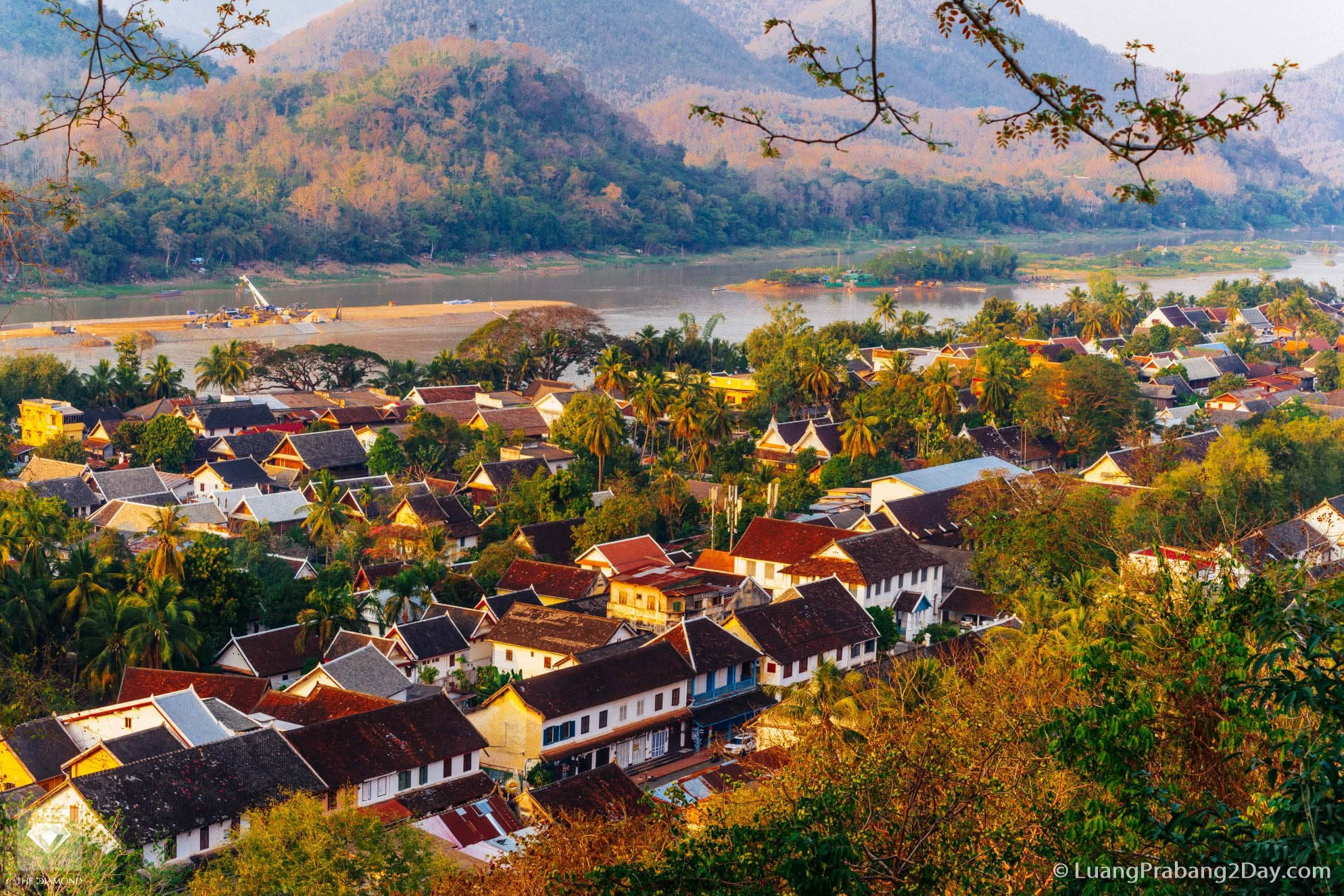
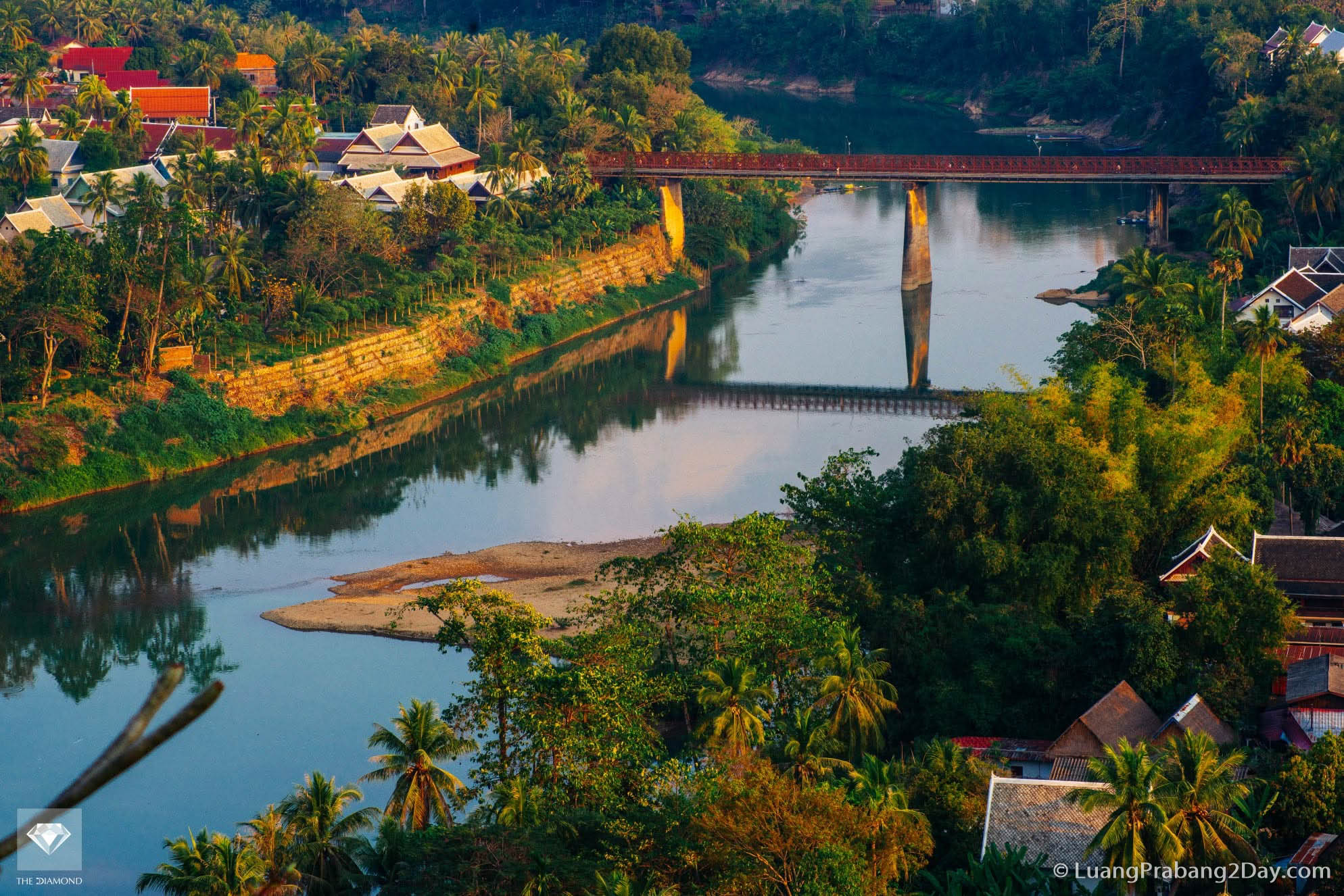
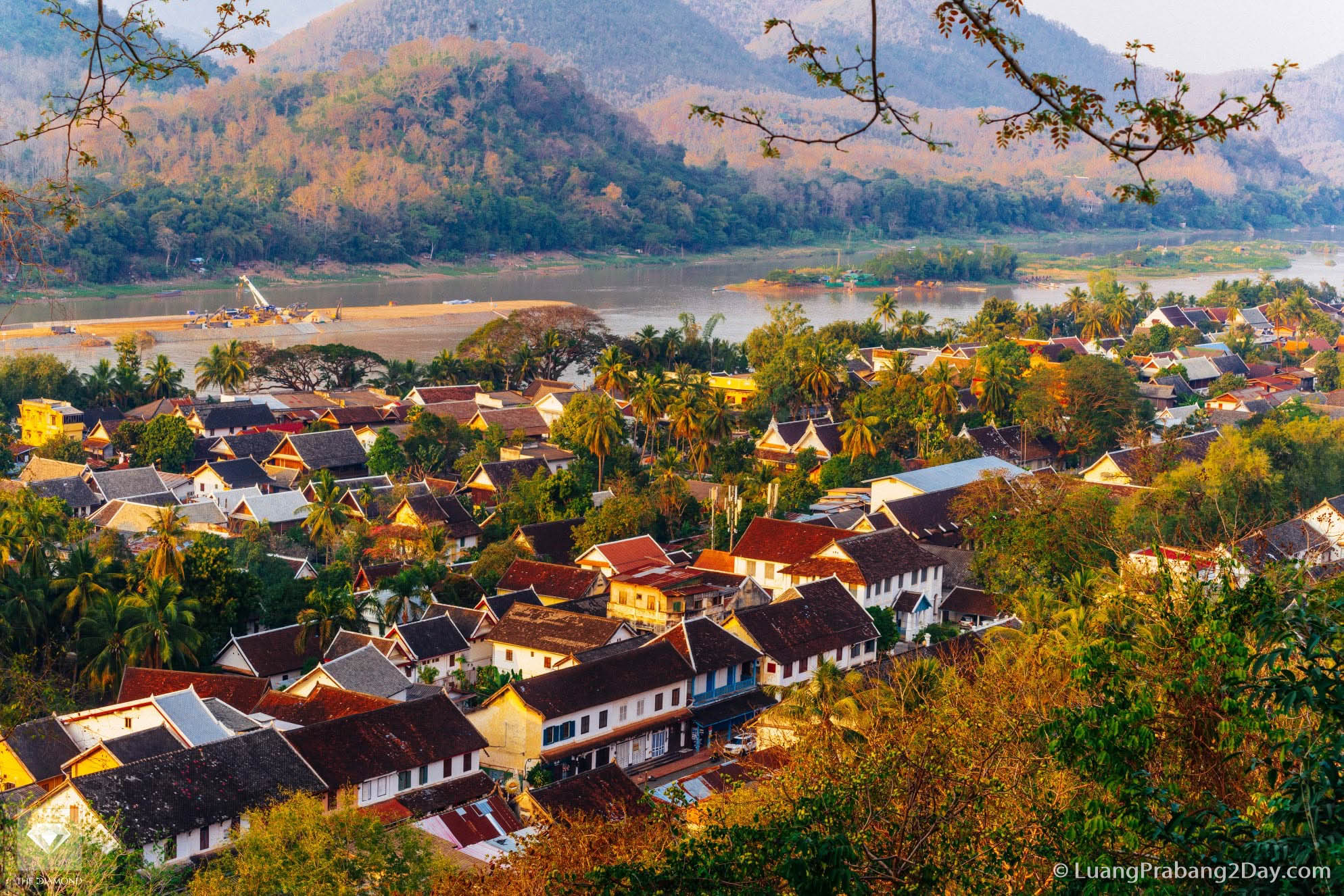
 

Panoramic view of Luang Prabang peninsula between the Mekong and Nam Khan Rivers at golden hour.

The historic peninsula of Luang Prabang resting gracefully between the Mekong River, the Nam Khan River, and the surrounding mountain basin, illuminated by the warm amber light of the golden hour.


Before the first temple roof appeared above the peninsula.

Before kings established their courts.

Before Luang Prabang became known to the world.

Two rivers were already here.

Flowing through mountains, forests, and valleys long before the rise of kingdoms, colonial administrations, modern tourism, or contemporary borders, they quietly shaped the landscape that would become one of Southeast Asia's most remarkable cultural cities.

The Mekong and the Nam Khan did not simply flow through Luang Prabang.

They created it.

Today, visitors often admire the city's monasteries, traditional architecture, and mountain scenery. Yet beneath every temple, every street, and every historic neighborhood lies a deeper story—one written not by rulers or architects, but by geography itself.

To understand Luang Prabang, one must first understand its rivers.


Where Two Rivers Meet

Confluence of the Mekong and Nam Khan Rivers surrounding the historic peninsula of Luang Prabang.
The remarkable geographical setting of Luang Prabang, where the Nam Khan River embraces the historic peninsula before joining the Mekong River, creating the natural foundation of the World Heritage city.

At the center of Luang Prabang lies an extraordinary geographical composition.

The historic city occupies a narrow peninsula positioned between two waterways.

To the west flows the Mekong River, one of Asia's great rivers and among the most influential cultural corridors in mainland Southeast Asia.

To the east flows the Nam Khan River, smaller in scale yet equally significant to the life of the city.

Together, these rivers provided fertile land, transportation routes, natural protection, and access to regional networks.

This location was not accidental.

Throughout history, human settlements have emerged where geography offered both opportunity and security.

Luang Prabang became one of those places.

The rivers created the stage upon which history would later unfold.


The Mekong: The Great Artery of Civilization

Mekong River at sunrise beside Luang Prabang, former transportation corridor of the Lan Xang Kingdom.

The Mekong River at dawn, reflecting the waters that served for centuries as one of Southeast Asia's most important transportation corridors, connecting communities, trade routes, and cultural exchange throughout the Lan Xang Kingdom.


Long before modern infrastructure transformed regional transportation, the Mekong served as one of Southeast Asia's principal corridors of movement.

Before highways.

Before railways.

Before airports.

The river itself was the highway.

Merchants, monks, diplomats, artisans, and travelers navigated its waters carrying more than goods. They carried beliefs, languages, artistic traditions, political ideas, and cultural influences.

Through the Mekong, Luang Prabang became connected to a world larger than itself.

The river linked distant communities across mountains, valleys, and kingdoms, helping transform a regional settlement into one of the most important political and spiritual centers of the Lan Xang Kingdom.

Its influence remains visible today.

The Mekong continues to shape seasonal rhythms, local livelihoods, and the visual identity of the city.

More importantly, it reminds us that Luang Prabang has never existed in isolation.

The Mekong is not merely part of the landscape.

It is part of the city's collective memory.


The Nam Khan: The River of Everyday Life

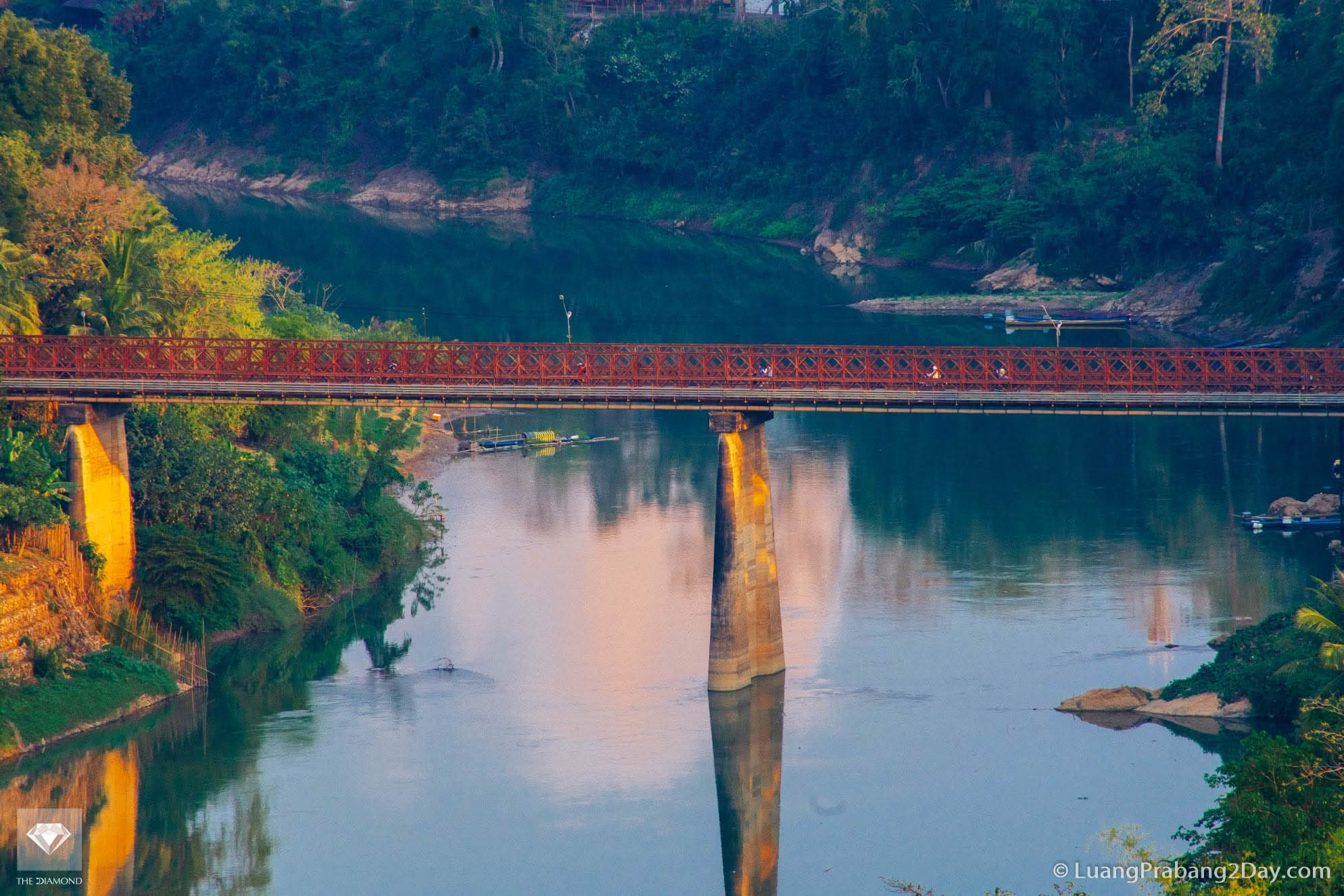
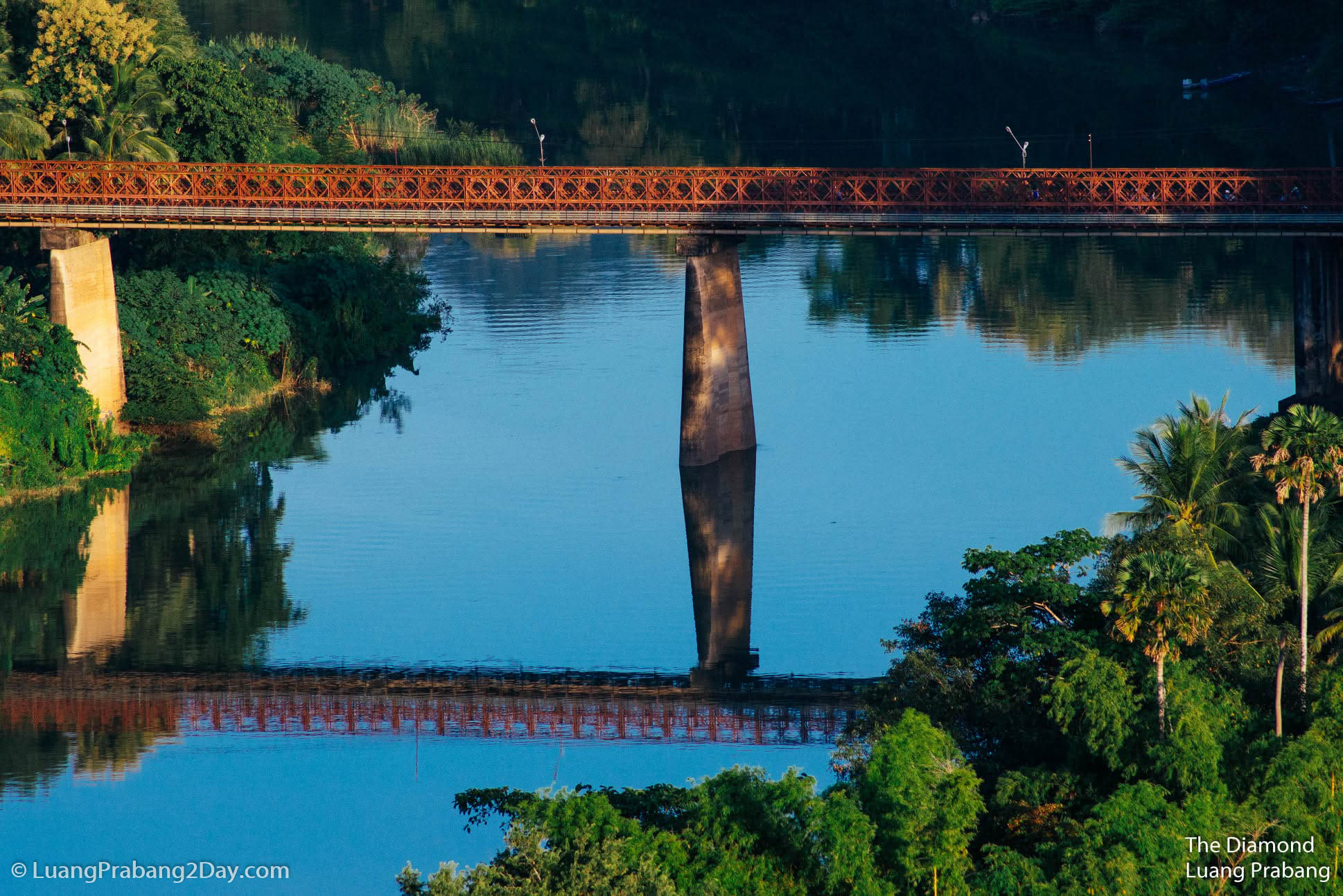
Reflection of the historic bridge over the Nam Khan River in Luang Prabang.
The calm waters of the Nam Khan River reflecting the historic bridge at dawn, illustrating the intimate relationship between community life, movement, and landscape in Luang Prabang.

If the Mekong connected Luang Prabang to the wider region, the Nam Khan nurtured life within the city itself.

Its quieter waters supported communities along its banks for generations.

Gardens flourished.

Fishing communities developed.

Families settled nearby.

Daily life unfolded in close relationship with the river.

Unlike the grandeur of the Mekong, the Nam Khan reveals a more intimate side of the city.

At sunrise, its still waters mirror forests, bridges, temples, and traditional neighborhoods.

The scene is not dramatic.

It is enduring.

Green riverbanks along the Nam Khan River in Luang Prabang.

Lush riverbanks along the Nam Khan River, where generations of residents have lived, cultivated gardens, and maintained the everyday rhythms that continue to define the city's living heritage.


Within this quiet relationship between people and place lies one of the most important dimensions of cultural heritage.

Not all heritage is preserved in monuments.

Some heritage survives through routines.

Through relationships.

Through habits passed from one generation to another.

The Nam Khan reminds us that cultural heritage is not only preserved in architecture.

It is preserved in daily life.


Protected by Geography

The story of Luang Prabang is not only a story of rivers.

It is also a story of mountains.

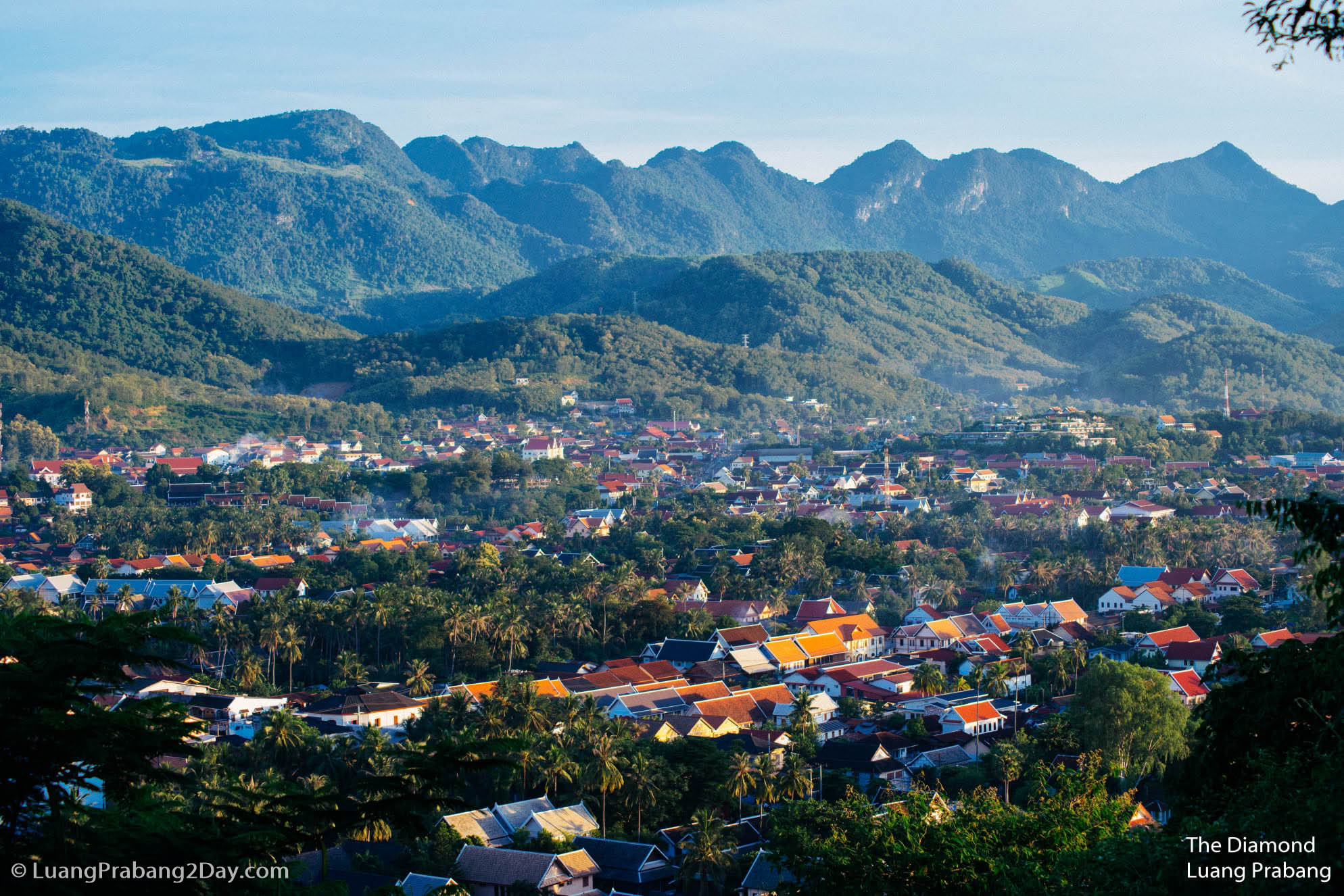
Surrounding ridges and forested hills form a natural basin around the city, shaping patterns of settlement for centuries.

From elevated viewpoints, the relationship becomes immediately clear.

The mountains provide protection.

The rivers create movement and connection.

The city occupies the space between them.

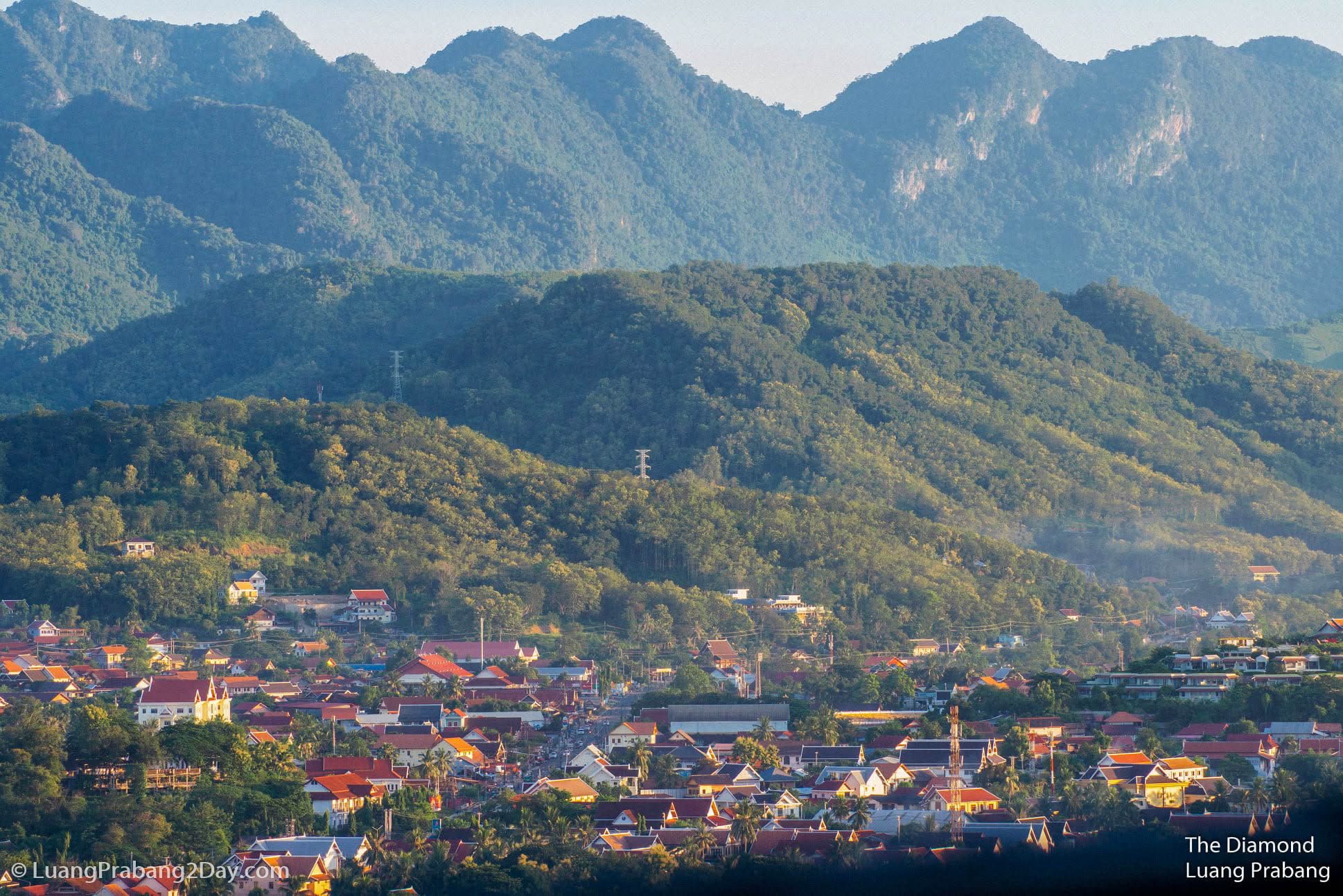
Mountain basin surrounding Luang Prabang and its historic urban landscape.
Forested mountain ridges surrounding Luang Prabang, forming a natural basin that has shaped settlement patterns, protected communities, and preserved the city's distinctive cultural landscape for centuries.

This balance between geography and human settlement remains one of the defining characteristics of Luang Prabang.

Unlike many rapidly expanding urban centers across Asia, the city continues to preserve a scale that feels profoundly human.

Nature is not separate from the city.

Nature remains part of the city.

And it is this enduring relationship that gives Luang Prabang its extraordinary sense of place.


Why UNESCO Matters

Historic center of Luang Prabang surrounded by mountains and tropical landscape.
The historic core of Luang Prabang maintaining a rare human scale, where heritage architecture remains visually connected to rivers, forests, and the broader natural environment.

When UNESCO inscribed Luang Prabang on the World Heritage List in 1995, the recognition extended beyond monuments, temples, or architecture.

What was acknowledged was something larger.

A cultural landscape.

A place where rivers, mountains, architecture, spirituality, and everyday life continue to exist as a single living system.

Historic center of Luang Prabang surrounded by mountains and tropical landscape.

The historic core of Luang Prabang maintaining a rare human scale, where heritage architecture remains visually connected to rivers, forests, and the broader natural environment.


The significance of Luang Prabang lies not only in what was built.

It lies in the relationship between nature, culture, and time.

Remove the rivers, and the city loses its foundation.

Remove the surrounding landscape, and the city loses much of its identity.

The value of Luang Prabang is found in the continuity of these relationships.

And remarkably, they remain visible today.


A Living Heritage

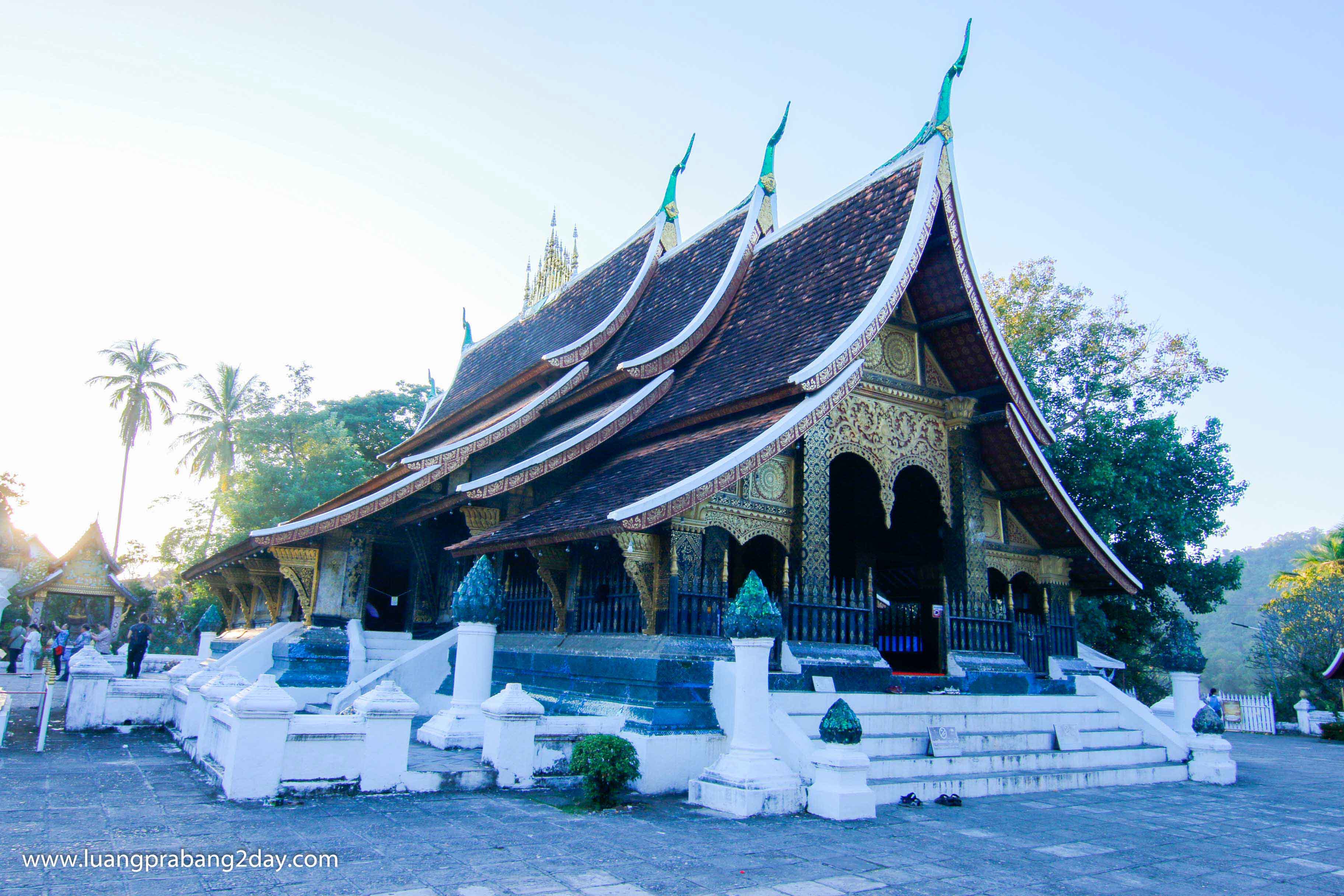
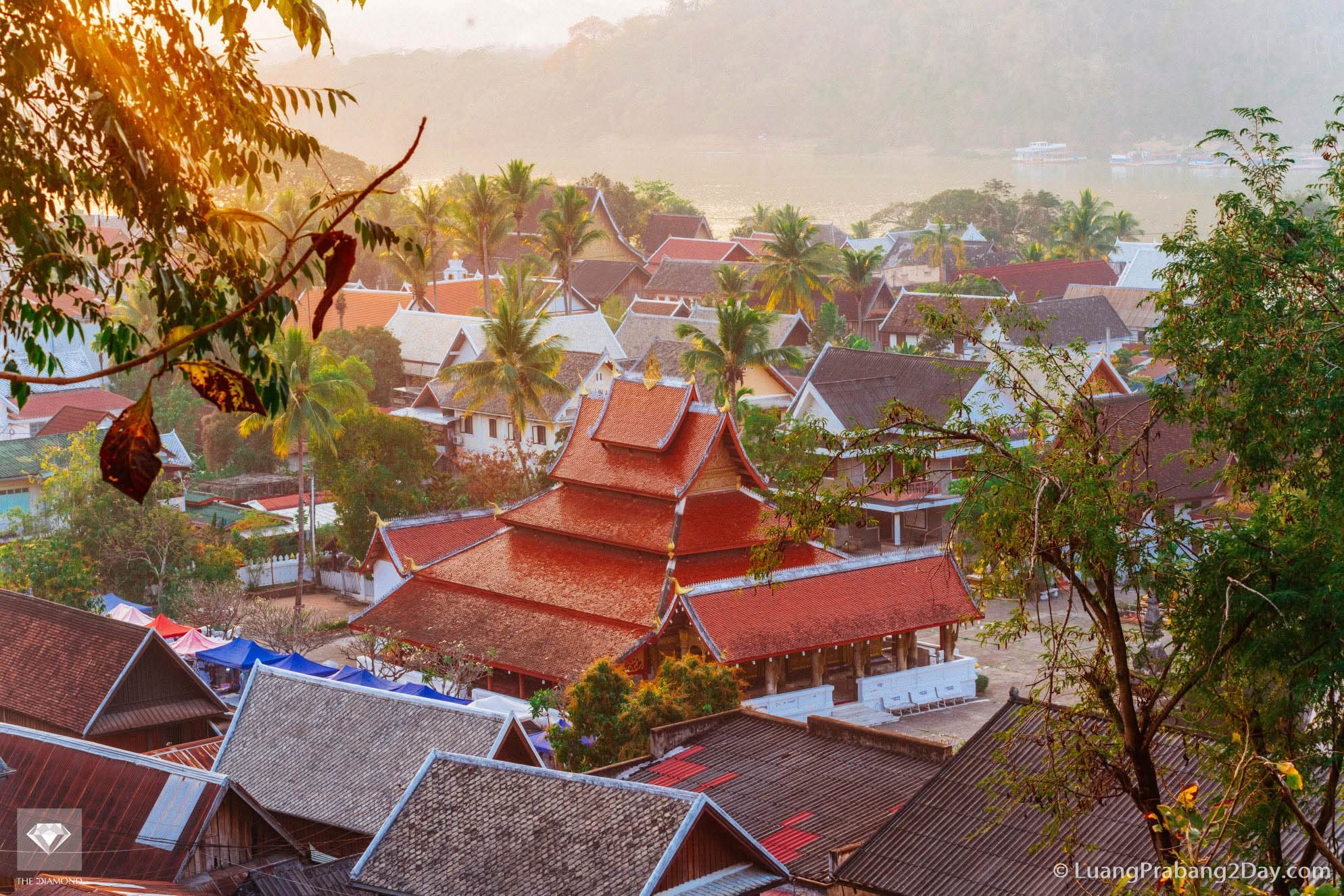
Traditional Lan Xang architecture at Wat Xieng Thong in Luang Prabang.
The sweeping rooflines of Wat Xieng Thong, one of the finest surviving examples of Lan Xang architecture and a defining symbol of Luang Prabang's spiritual and cultural identity.

In an age increasingly defined by speed, algorithms, and constant change, Luang Prabang offers a different lesson.

A lesson in continuity.

The rivers still flow.

The mountains still stand.

The city still breathes.

The Mekong and the Nam Khan are not relics of the past.

They remain active participants in the life of the city.

They influence climate.

They support livelihoods.

They shape movement.

They define identity.

And perhaps that is the most important lesson these rivers offer.

Luang Prabang was never built against nature.

It was built alongside it.

The rivers came first.

Kingdoms rose and faded.

Empires arrived and departed.

Generations passed.

Yet the waters continue their journey.

And Luang Prabang continues to grow quietly beside them.

As it always has.

As it was always meant to.


About LuangPrabang2Day.com

Founded in 2007, LuangPrabang2Day.com is an independent cultural media platform dedicated to documenting, interpreting, and safeguarding the living heritage, cultural landscapes, and historical continuity of Luang Prabang for future generations.

Through original photography, editorial storytelling, and long-form cultural documentation, the platform explores the relationship between people, place, memory, and time within one of Southeast Asia's most remarkable World Heritage cities.


The Digital Memory of Luang Prabang

Preserving the Living Digital Heritage of a World Heritage City Since 2007

Early LPB2D Archive / ActiveBoard Screenshot ]

Cities preserve their history in many different ways.

Some preserve it in stone.

Others preserve it in manuscripts, paintings, architecture, or monuments.

In the twenty-first century, another form of cultural memory has quietly emerged.

Digital memory.

For communities around the world, websites, photographs, discussion forums, and online archives have become part of the historical record. They capture moments that may never appear in official documents yet remain essential to understanding how people lived, celebrated, communicated, and remembered their own culture.

Luang Prabang is no exception.

Founded in August 2007, LuangPrabang2Day began as a modest online community where residents, visitors, photographers, and travelers shared observations about everyday life in one of Southeast Asia's most remarkable cultural cities.

What started as a simple discussion forum gradually evolved into something far more enduring.

It became part of the digital memory of Luang Prabang.


Before Social Media Changed the Internet

Early LPB2D ActiveBoard Homepage

The internet of 2007 was very different from today's digital world.

Communities were smaller.

Content was created by individuals rather than algorithms.

Conversations developed naturally through curiosity rather than optimization.

Long before social media platforms dominated online communication, LuangPrabang2Day documented local festivals, traditional food, photography, markets, community life, travel experiences, and everyday observations from Luang Prabang.

Among the earliest surviving discussions are conversations about local cuisine, Mount Phousi, community events, cultural celebrations, and ordinary moments that reflected daily life within the World Heritage city.

At the time, there was no strategy for search engine optimization.

No artificial intelligence.

No content automation.

The purpose was remarkably simple:

To share knowledge about Luang Prabang and preserve everyday experiences within a growing online community.

That simplicity has become one of its greatest strengths.


Authenticity Becomes Evidence

Archived Forum Discussions

The value of historical archives changes over time.

When these discussions were originally published, they were simply conversations.

Today, they have become evidence.

Each discussion reflects the language, concerns, traditions, festivals, and perspectives of the period in which it was written.

They were created before today's AI-generated content, before automated publishing systems, and before the internet became increasingly driven by recommendation algorithms.

They represent original observations recorded in their own time.

This distinction has become increasingly important.

As artificial intelligence accelerates the production of digital information, authentic historical records become more valuable—not because they are old, but because they remain verifiable.

Originality becomes evidence.

Evidence becomes cultural responsibility.


Digital Memory as Cultural Heritage

Heritage exists in more than architecture.

It exists in memory.

For generations, cultural memory was preserved through oral traditions, manuscripts, family photographs, temples, and public monuments.

Today, digital archives have become another layer of that continuity.

Photographs document changing landscapes.

Community discussions preserve everyday language.

Editorial observations record cultural transformation.

Historical websites capture how people understood their own city at a particular moment in time.

Together, these digital traces contribute to a broader understanding of cultural continuity.

They remind us that heritage is not only something inherited from the past.

It is something continually documented in the present.


From Community Forum to Editorial Institution

Over nearly two decades, LuangPrabang2Day has evolved alongside the city it documents.

What began as a community discussion forum has gradually developed into an independent cultural editorial platform dedicated to documenting the living heritage of Luang Prabang and the wider cultural legacy of the Lan Xang Kingdom.

The tools have changed.

Technology has changed.

Media has changed.

The mission has remained remarkably consistent.

To observe carefully.

To document responsibly.

To interpret thoughtfully.

And to contribute to a deeper understanding of Luang Prabang through evidence rather than imitation.

Today, that mission combines:

  • Historical Digital Archives

  • Documentary Photography

  • Long-form Editorial Storytelling

  • Cultural Journalism

  • Field Observation

  • Evidence-Based Research

Together, these elements form an evolving record of one of Southeast Asia's most significant cultural landscapes.


The Age of Artificial Intelligence

Artificial intelligence is transforming how information is created, distributed, and consumed.

Content can now be generated within seconds.

Images can be synthesized instantly.

Historical narratives can be reconstructed automatically.

Yet one element cannot be manufactured retrospectively.

Authentic historical evidence.

The future of cultural authority will not belong solely to those who generate the greatest quantity of content.

It will increasingly belong to those who preserve trustworthy records, original documentation, and verifiable historical continuity.

Digital preservation is therefore no longer simply a technical activity.

It has become part of cultural stewardship.


Looking Forward

The purpose of LuangPrabang2Day has never been to become the largest travel website.

Nor is it simply to publish beautiful photographs.

Its purpose is to contribute to the long-term understanding of Luang Prabang through careful observation, original documentation, and editorial interpretation.

As the city continues to evolve, so too will its digital memory.

Every photograph.

Every article.

Every observation.

Every interview.

Every archived discussion.

Each becomes another small contribution to the continuing story of Luang Prabang.


A Living Digital Monument

A World Heritage city is preserved not only through temples, architecture, or protected landscapes.

It is also preserved through memory.

Memory survives through documentation.

Documentation survives through responsibility.

Since 2007, LuangPrabang2Day has sought to contribute to that responsibility—one photograph, one observation, and one story at a time.

Because every World Heritage city deserves not only monuments of stone,

but also monuments of memory.


Historical References

Internet Archive (Wayback Machine)
https://web.archive.org/

Original LuangPrabang2Day ActiveBoard Archive
https://luangprabang2day.activeboard.com/


About LuangPrabang2Day

Founded in 2007, LuangPrabang2Day is an independent cultural editorial platform dedicated to documenting, interpreting, and strengthening the understanding of the living heritage, cultural landscapes, and historical continuity of Luang Prabang and the cultural legacy of the Lan Xang Kingdom.

Through original documentary photography, long-form editorial storytelling, historical archives, and long-term field observation, the platform contributes to preserving the digital memory of one of Southeast Asia's most remarkable World Heritage cities.
Documenting Luang Prabang since 2007. 


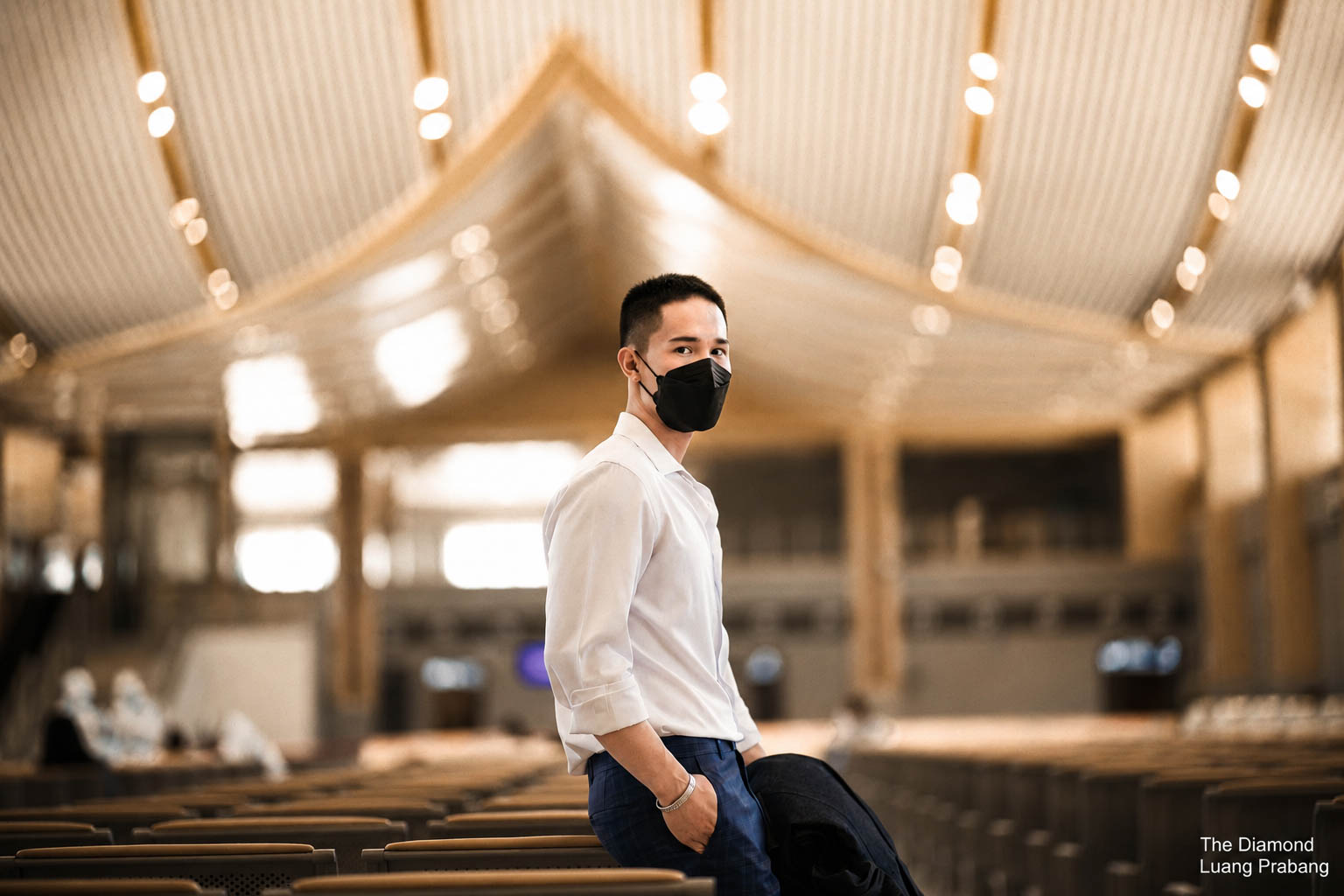
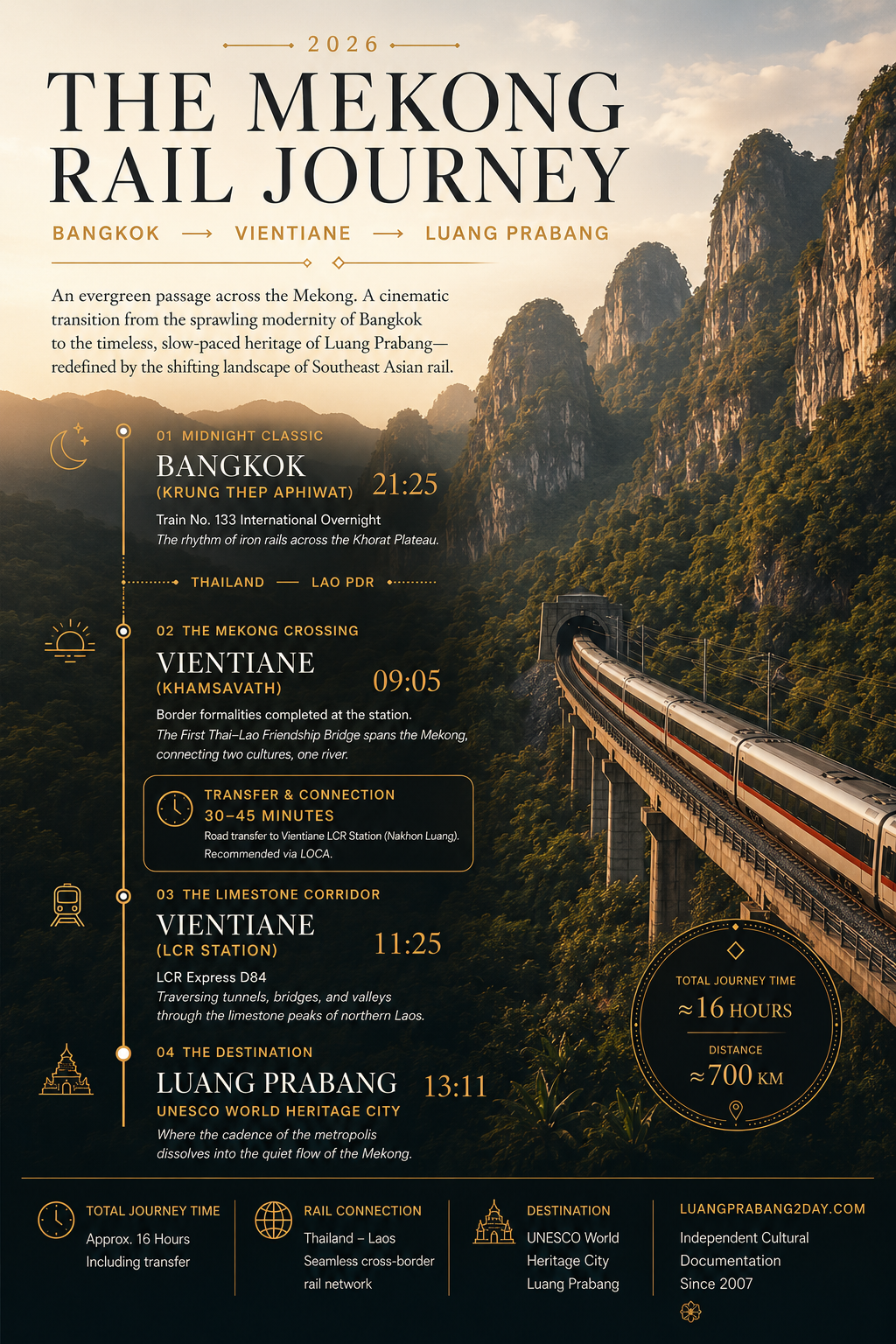
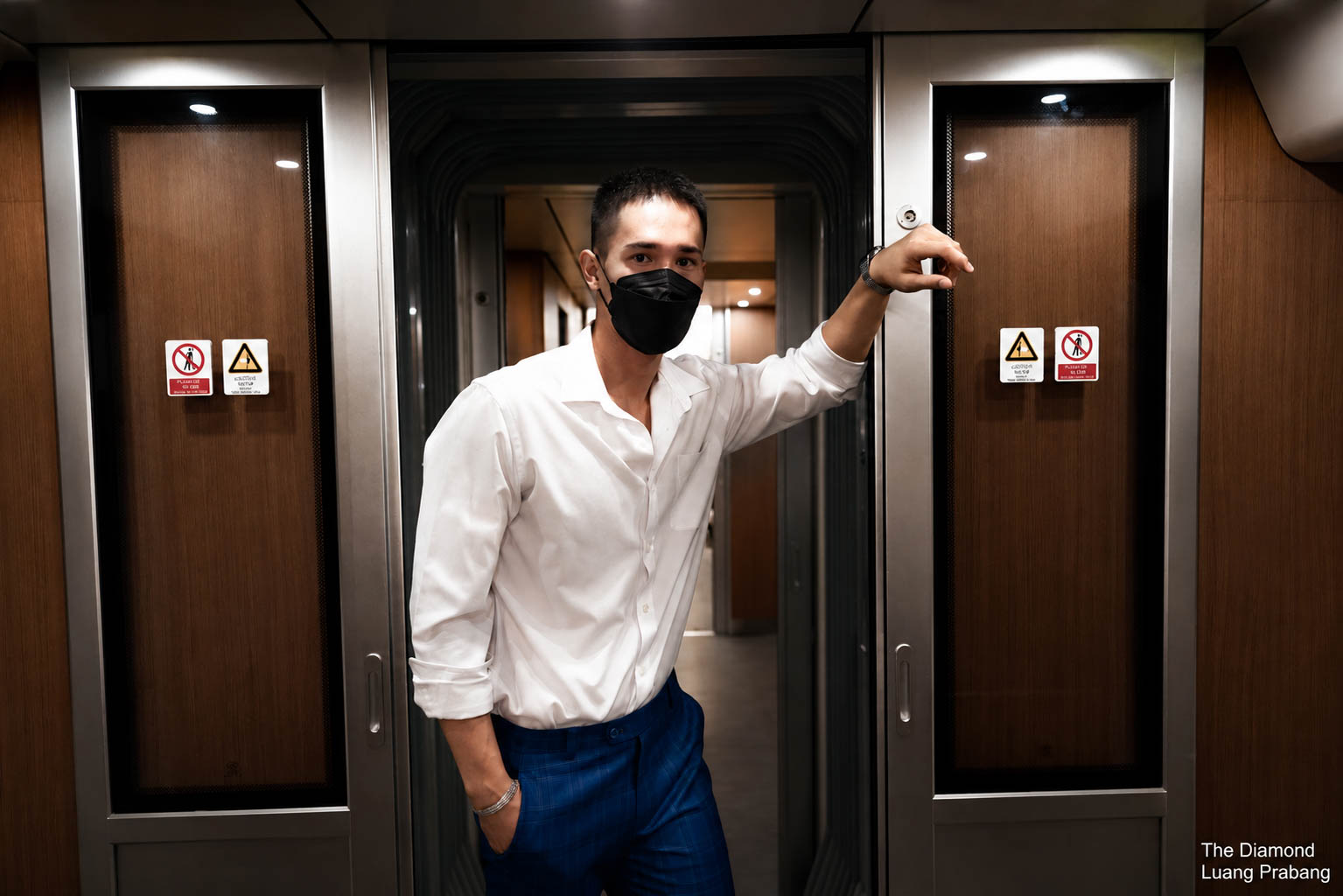
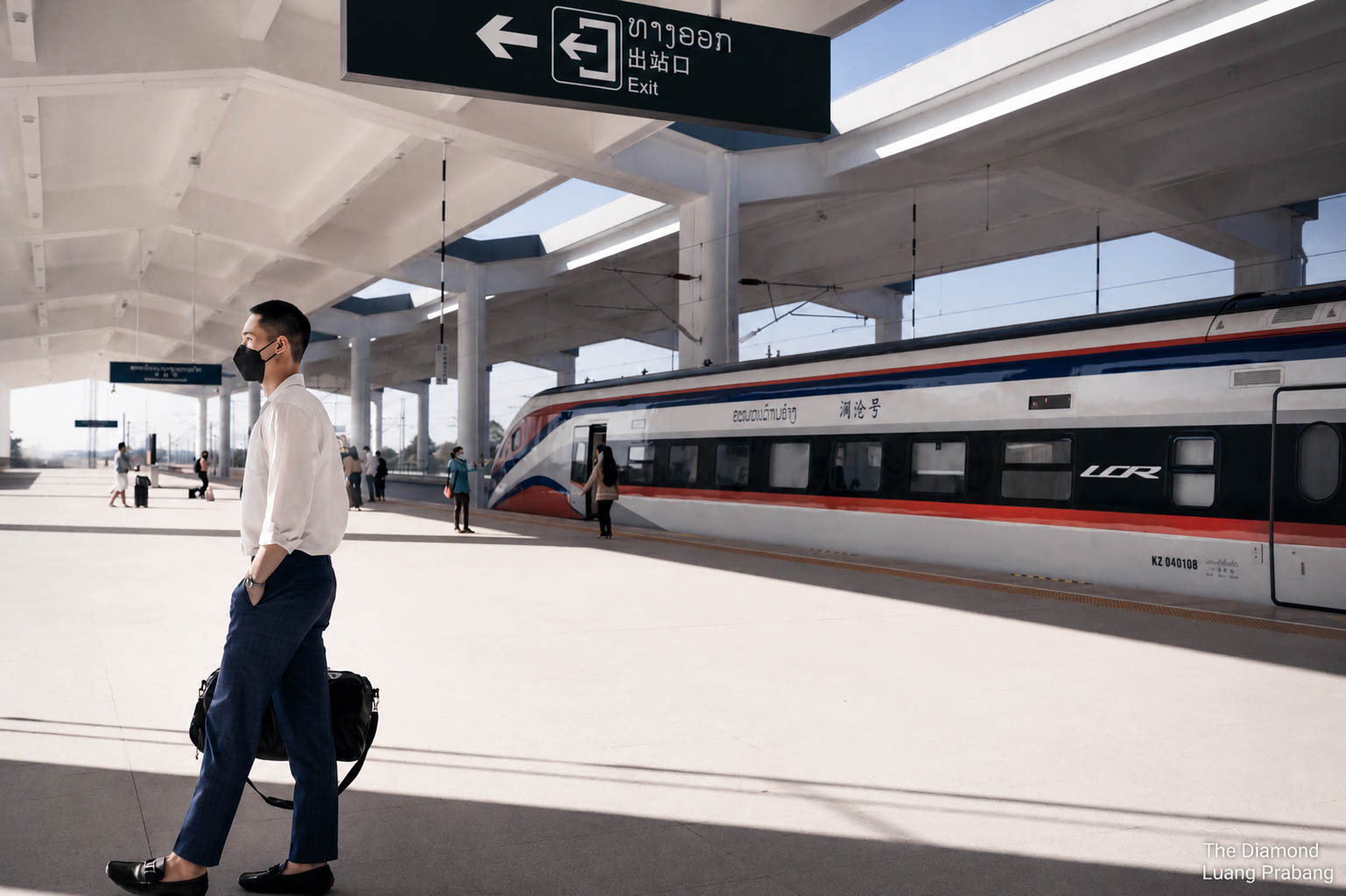
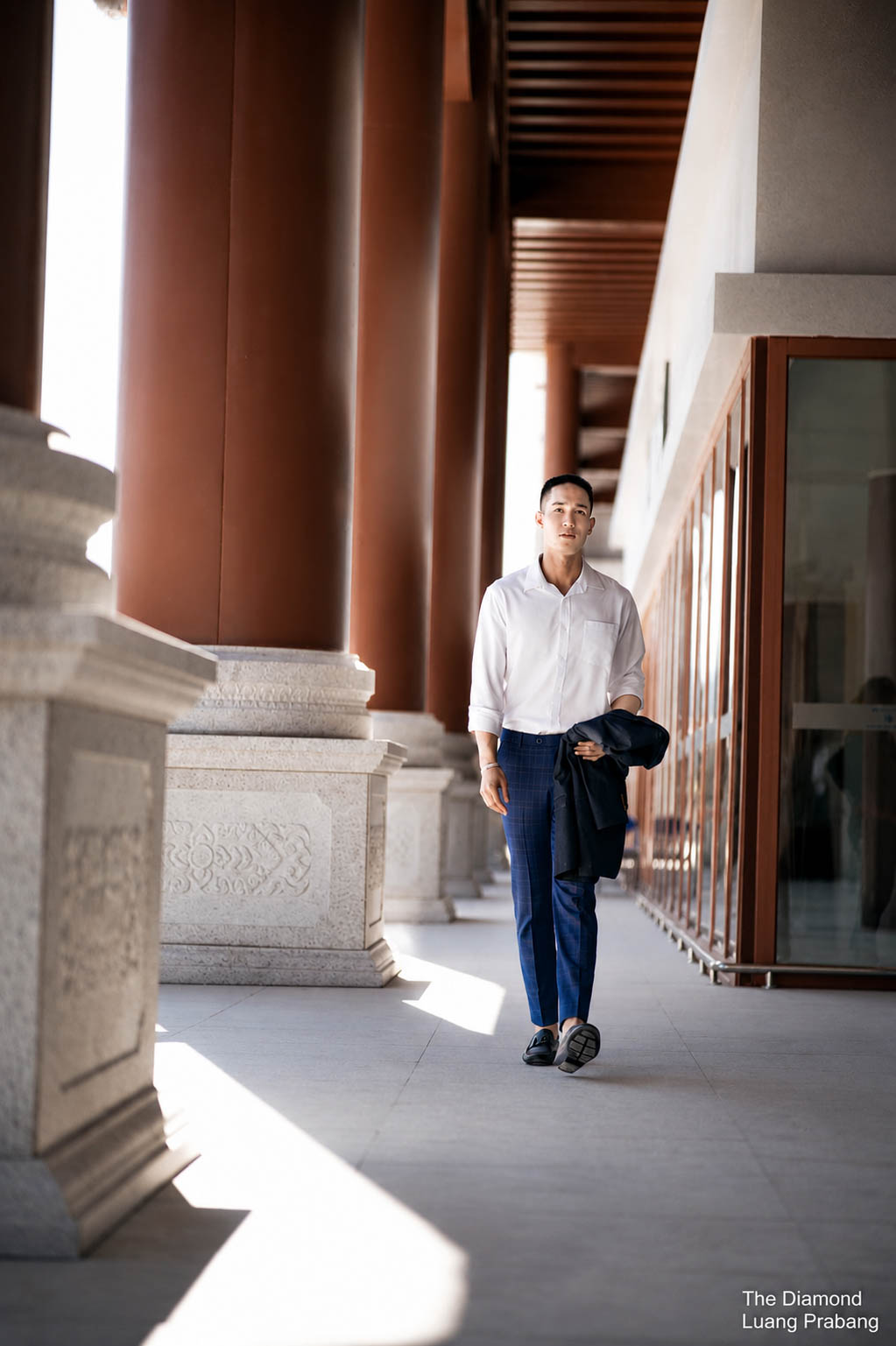
The Mekong Rail Journey (2026)  Travel from Bangkok to Luang Prabang by Train in a Single Day via Vientiane and the Laos–China Railway, เดินทางจากกรุงเทพฯ สู่หลวงพระบางด้วยรถไฟภายในวันเดียว ผ่านเวียงจันทน์และรถไฟลาว–จีน

มีหลายวิธีในการเดินทางสู่หลวงพระบาง

คุณสามารถเลือกเที่ยวบินตรงจากกรุงเทพมหานคร และมาถึงเมืองมรดกโลกแห่งนี้ภายในเวลาเพียงไม่กี่ชั่วโมง

แต่ในปี 2026 มีอีกทางเลือกหนึ่งที่กำลังเปลี่ยนวิธีการเดินทางในภูมิภาคลุ่มน้ำโขงอย่างเงียบ ๆ

เส้นทางที่ไม่ได้แข่งขันกันด้วยความเร็ว

แต่เปิดโอกาสให้ผู้เดินทางได้มองเห็นความเปลี่ยนแปลงของภูมิประเทศ ผู้คน และวัฒนธรรมตลอดเส้นทาง

จากมหานครขนาดใหญ่ของประเทศไทย ผ่านทุ่งนาและชุมชนของภาคอีสาน ข้ามแม่น้ำโขงสู่นครหลวงเวียงจันทน์ ก่อนจะเชื่อมต่อกับรถไฟความเร็วสูงลาว–จีนและเดินทางต่อสู่หลวงพระบาง

เมืองที่ยังคงรักษาจังหวะชีวิตของตนเองไว้ได้อย่างน่าทึ่ง

สิ่งที่ครั้งหนึ่งเคยต้องอาศัยรถโดยสารหลายต่อ ถนนภูเขาคดเคี้ยว หรือเที่ยวบินภายในประเทศ ปัจจุบันสามารถเชื่อมต่อกันได้ด้วยระบบรางที่กำลังสร้างภูมิทัศน์ใหม่ของเอเชียตะวันออกเฉียงใต้

นี่ไม่ใช่เพียงเรื่องของการคมนาคม

แต่มันคือเรื่องราวของการเชื่อมต่อ

ระหว่างเมืองหลวงและเมืองมรดกโลก

ระหว่างเศรษฐกิจสมัยใหม่และวัฒนธรรมดั้งเดิม

ระหว่างอนาคตและความทรงจำ


กรุงเทพฯ: จุดเริ่มต้นของการเดินทาง

เมื่อแสงไฟยามค่ำคืนส่องสว่างเหนือสถานีกลางกรุงเทพอภิวัฒน์ ผู้โดยสารเริ่มทยอยเข้าสู่ชานชาลา

รถไฟกลางคืนจอดรออยู่เงียบ ๆ

เวลา 21:25 น.

ขบวนรถไฟค่อย ๆ เคลื่อนตัวออกจากเมืองหลวง

เบื้องหลังคือมหานครที่เต็มไปด้วยแสงไฟ

เบื้องหน้าคือการเดินทางข้ามพรมแดนกว่า 700 กิโลเมตร

ตลอดคืน รถไฟแล่นผ่านเมืองเล็ก ชุมชนชนบท และผืนนาของภาคอีสาน

จังหวะของล้อเหล็กบนรางกลายเป็นเสียงประกอบของการเดินทาง

ช้ากว่าเครื่องบิน

แต่ใกล้ชิดกับภูมิประเทศมากกว่า


แม่น้ำโขง: เส้นแบ่งและเส้นเชื่อม

รุ่งเช้าที่หนองคาย

ผู้โดยสารลงจากขบวนเพื่อผ่านพิธีการตรวจคนเข้าเมือง ก่อนจะกลับขึ้นรถไฟอีกครั้ง

จากนั้นรถไฟจะเคลื่อนตัวข้ามสะพานมิตรภาพไทย–ลาวแห่งที่ 1

เบื้องล่างคือแม่น้ำโขง

สายน้ำที่ทำหน้าที่เป็นทั้งพรมแดน เส้นทางการค้า และแกนกลางทางวัฒนธรรมของภูมิภาคมานานหลายศตวรรษ

สำหรับนักเดินทางจำนวนมาก นี่อาจเป็นเพียงช่วงสั้น ๆ ของการเดินทาง

แต่ในเชิงประวัติศาสตร์ มันคือการเดินทางข้ามพื้นที่ที่เคยเชื่อมโยงผู้คนสองฝั่งแม่น้ำเข้าด้วยกันมาหลายชั่วอายุคน


เวียงจันทน์: ประตูสู่ลาวยุคใหม่

เมื่อรถไฟเดินทางถึงเวียงจันทน์ในเวลา 09:05 น.

ผู้โดยสารจะพบกับอีกด้านหนึ่งของประเทศลาว

ลาวที่กำลังลงทุนในโครงสร้างพื้นฐานขนาดใหญ่

ลาวที่กำลังเชื่อมเมืองต่าง ๆ เข้าด้วยกันผ่านระบบราง

และลาวที่กำลังกลายเป็นจุดเชื่อมต่อสำคัญของภูมิภาค

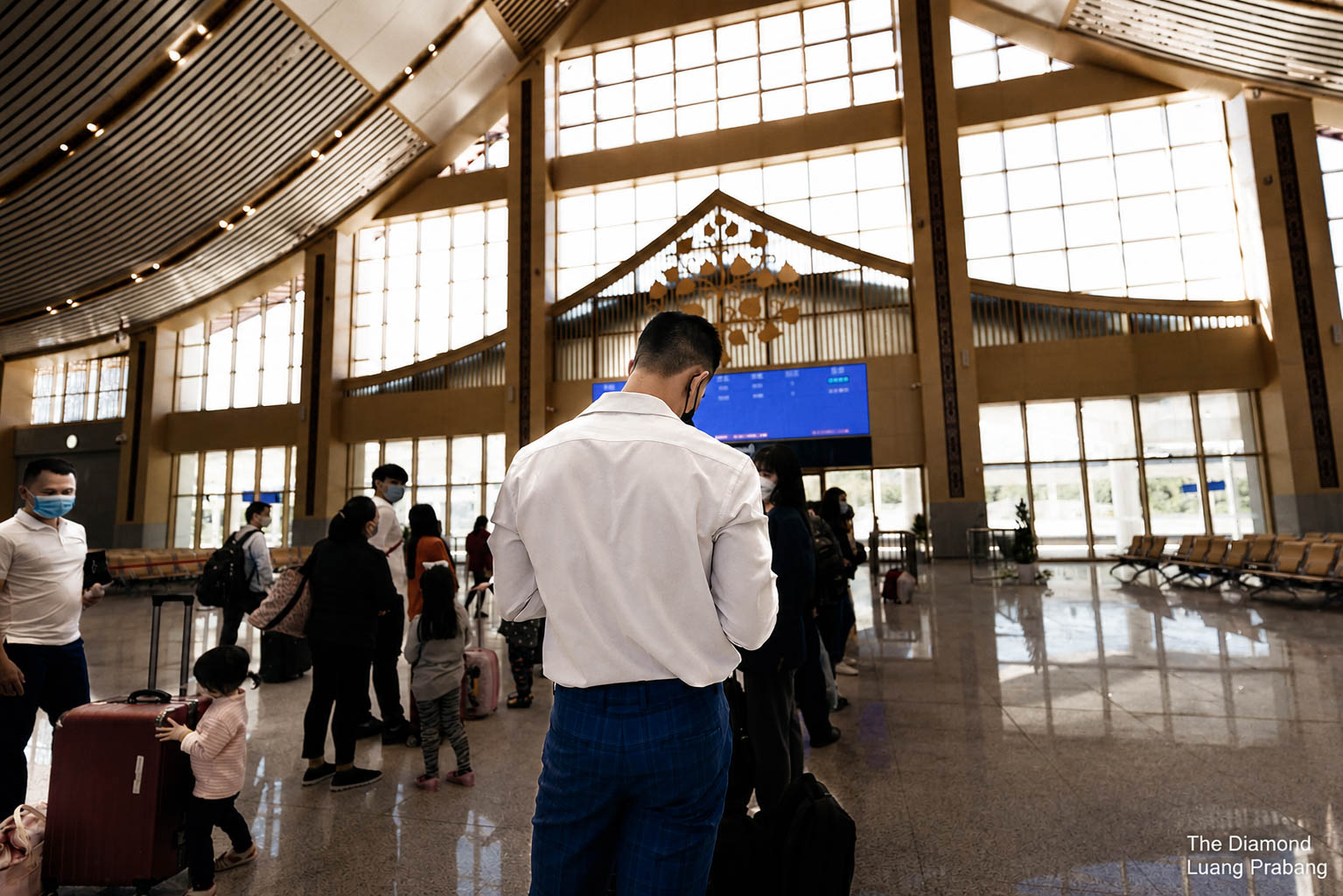
จากสถานีคำสะหวาด การเดินทางยังไม่สิ้นสุด

แต่เพิ่งเริ่มต้นบทใหม่


ผ่านภูเขาแห่งภาคเหนือ

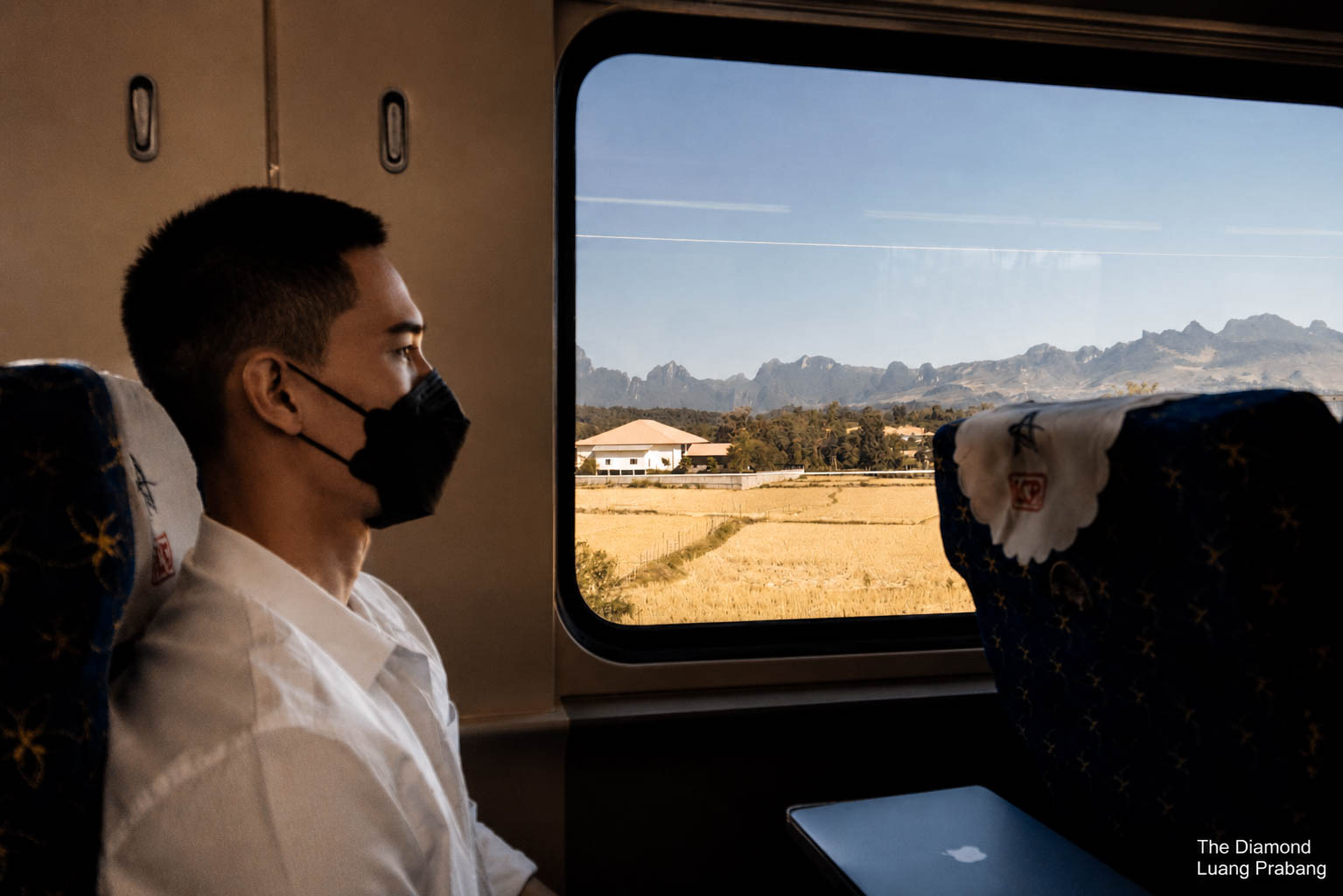
เมื่อรถไฟความเร็วสูงออกจากเวียงจันทน์

ภูมิประเทศเริ่มเปลี่ยนแปลง

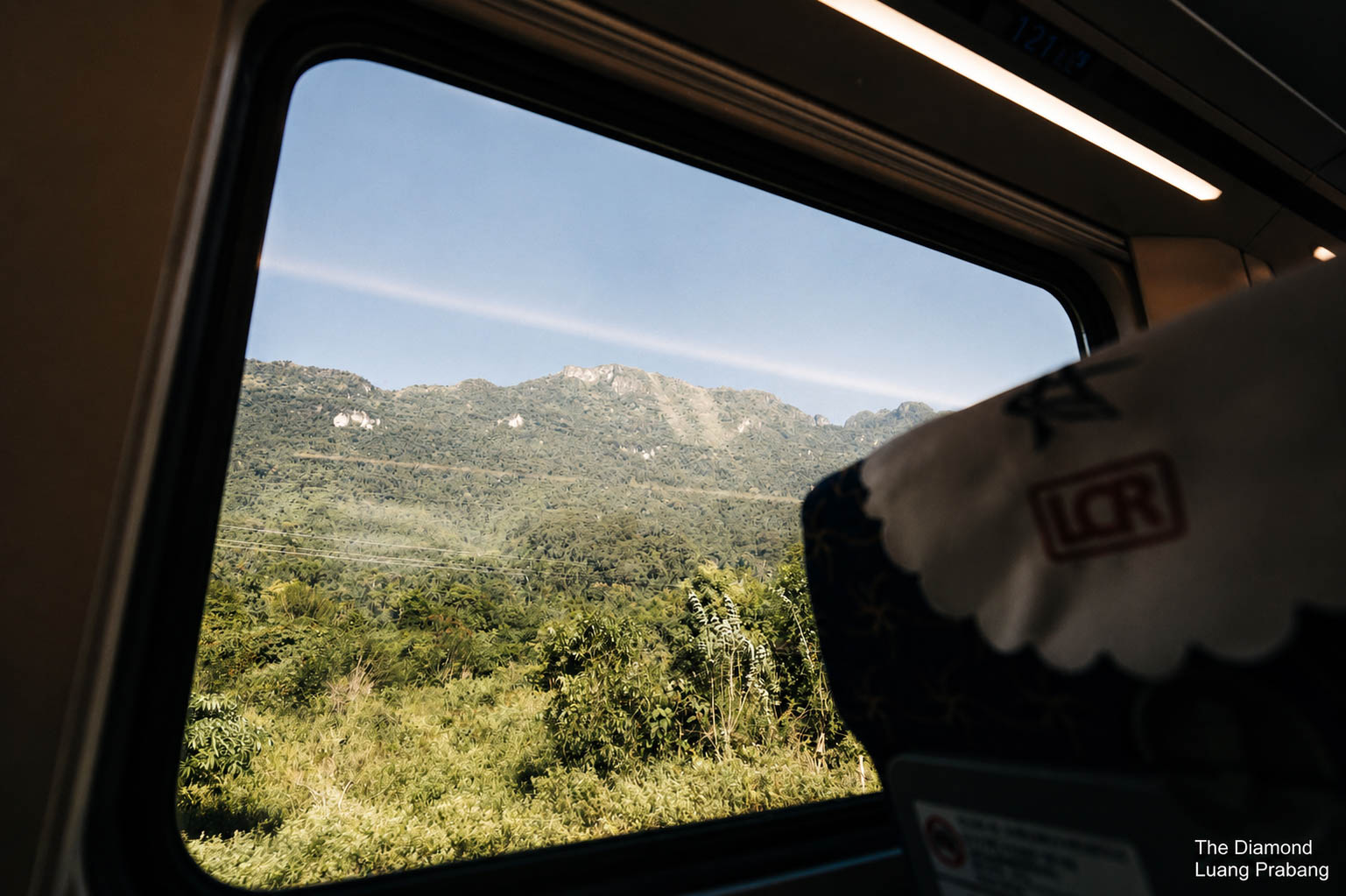
ที่ราบค่อย ๆ กลายเป็นแนวภูเขาหินปูน

หมู่บ้านเล็ก ๆ ปรากฏขึ้นตามหุบเขา

ผืนป่าเขตร้อนทอดยาวไปจนสุดสายตา

อุโมงค์และสะพานจำนวนมากพาผู้โดยสารผ่านพื้นที่ซึ่งในอดีตเคยใช้เวลาเดินทางหลายชั่วโมง

แต่แม้เทคโนโลยีจะทำให้การเดินทางรวดเร็วขึ้น

ความงดงามของภูมิประเทศกลับยังคงเดิม

และยังคงเป็นพระเอกของเรื่องราวนี้เช่นเดิม


หลวงพระบาง: เมืองที่เวลาเดินช้าลง

หลังการเดินทางประมาณสองชั่วโมง

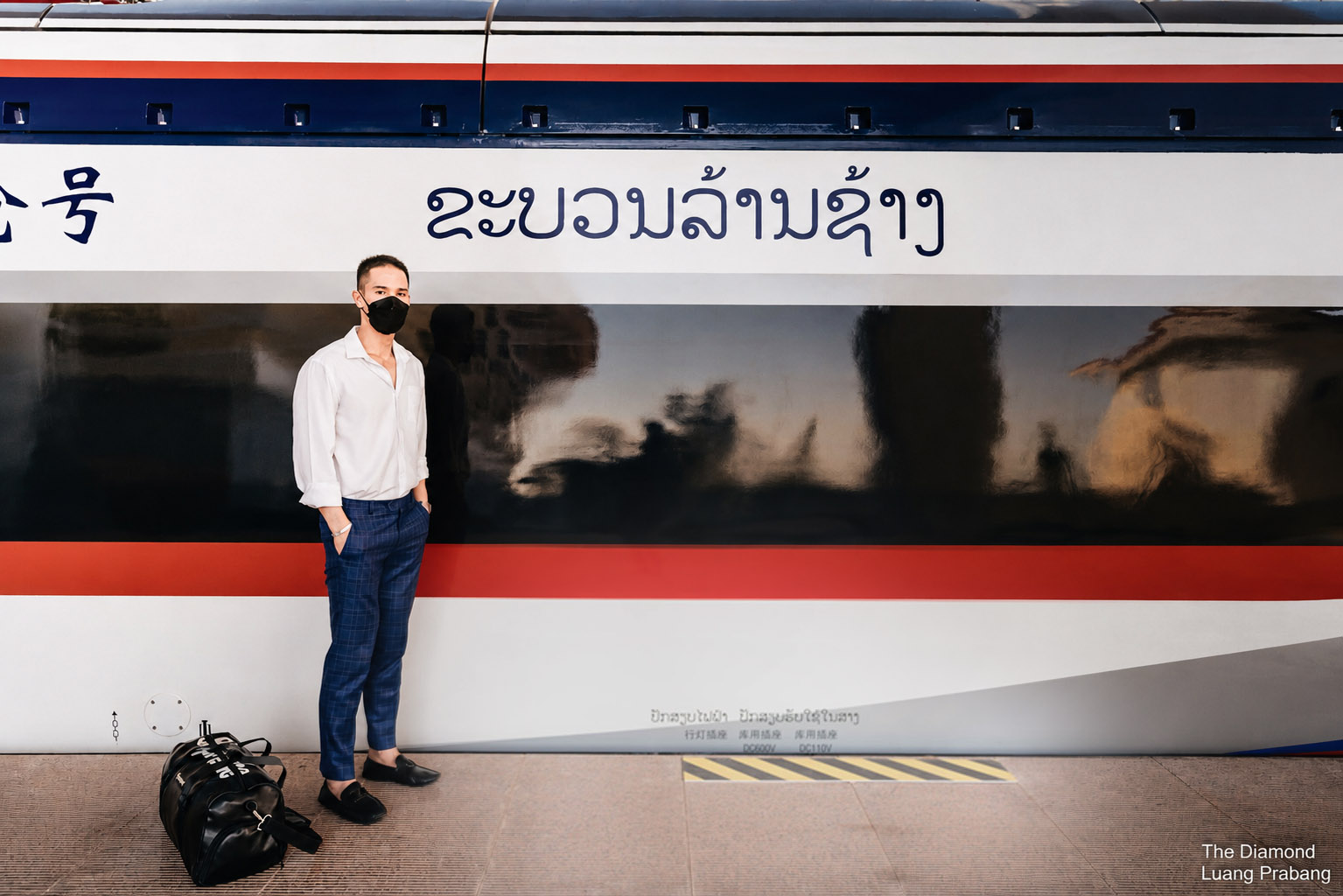
รถไฟเดินทางถึงหลวงพระบาง

เมืองมรดกโลกที่ได้รับการขึ้นทะเบียนโดย UNESCO ตั้งแต่ปี 1995

เมื่อเข้าสู่เขตเมืองเก่า

จังหวะของชีวิตรอบตัวเริ่มเปลี่ยนไป

ไม่มีตึกระฟ้า

ไม่มีทางด่วนหลายชั้น

ไม่มีความเร่งรีบของมหานคร

มีเพียงวัดโบราณ บ้านไม้เก่าแก่ คาเฟ่เล็ก ๆ ริมถนน และแม่น้ำโขงที่ยังคงไหลผ่านเมืองอย่างเงียบสงบ

หลวงพระบางไม่ใช่เมืองที่พยายามวิ่งให้เร็วขึ้น

แต่เป็นเมืองที่เตือนให้ผู้คนชะลอความเร็วลง

เพื่อมองเห็นรายละเอียดของชีวิตอีกครั้ง


มากกว่าการเดินทาง

เส้นทางรถไฟจากกรุงเทพฯ สู่หลวงพระบาง ไม่ได้เป็นเพียงเส้นทางท่องเที่ยวสายใหม่

แต่มันสะท้อนการเปลี่ยนแปลงของทั้งภูมิภาค

จากยุคที่พรมแดนคืออุปสรรค

สู่ยุคที่การเชื่อมต่อกลายเป็นโอกาส

จากถนนคดเคี้ยวและการเดินทางหลายต่อ

สู่เครือข่ายรถไฟที่เชื่อมผู้คน เมือง และวัฒนธรรมเข้าด้วยกัน

สำหรับนักเดินทางที่เชื่อว่าจุดหมายปลายทางไม่ใช่ทั้งหมดของการเดินทาง

เส้นทาง กรุงเทพฯ → เวียงจันทน์ → หลวงพระบาง

อาจเป็นหนึ่งในประสบการณ์ที่น่าจดจำที่สุดของเอเชียตะวันออกเฉียงใต้ในปัจจุบัน

เพราะบางครั้ง

ความทรงจำที่ดีที่สุด

ไม่ได้เกิดขึ้นเมื่อเราไปถึงที่หมาย

แต่มันเกิดขึ้นระหว่างทาง

-----------------------------

How to Book Tickets & Passport Immigration

การเดินทางเชื่อมต่อระบบรางข้ามพรมแดนจากกรุงเทพฯ สู่หลวงพระบางภายในวันเดียว จำเป็นต้องมีการวางแผนล่วงหน้าและการทำความเข้าใจขั้นตอนโลจิสติกส์อย่างถูกต้อง เพื่อให้การเปลี่ยนผ่านจากมหานครสู่เมืองมรดกโลกเป็นไปอย่างราบรื่นและเปี่ยมด้วยความรื่นรมย์:

1. การสำรองตั๋วโดยสารข้ามระบบ (Ticket Booking)

เนื่องจากเส้นทางนี้เป็นการเดินทางคาบเกี่ยวระหว่างสองประเทศ ระบบตั๋วจึงถูกแบ่งออกเป็น 2 ส่วนหลัก ซึ่งนักเดินทางสามารถจัดการทุกอย่างล่วงหน้าผ่านระบบดิจิทัลได้อย่างสะดวกสบาย:

  • ช่วงกรุงเทพฯ ➡️ เวียงจันทน์ (ขบวนที่ 133): สามารถสำรองที่นั่งล่วงหน้าได้สูงสุด 180 วัน ผ่านเว็บไซต์ทางการ D-Ticket (การรถไฟแห่งประเทศไทย) หรือผ่านทางแอปพลิเคชัน SRT D-Ticket แนะนำเป็นรถนอนชั้น 2 ปรับอากาศ (เตียงล่าง) เพื่อความสบายตลอดการเดินทาง

  • ช่วงเวียงจันทน์ ➡️ หลวงพระบาง (รถไฟ LCR): ระบบตั๋วของรถไฟความเร็วสูงลาว–จีน จะเปิดให้สำรองที่นั่งล่วงหน้า 3 วัน ผ่านทางแอปพลิเคชันอย่างเป็นทางการ LCR Ticket เท่านั้น (รองรับระบบ iOS และ Android โดยสามารถผูกบัตรเครดิตหรือเดบิตของไทยเพื่อชำระเงินได้)

  • Alternative Option: สำหรับนักเดินทางต่างชาติหรือผู้ที่ต้องการบริหารจัดการตั๋วรถไฟล่วงหน้าข้ามระบบ สามารถเลือกใช้บริการแพลตฟอร์มโลจิสติกส์สากลอย่าง Baolau ในการสำรองที่นั่งล่วงหน้าได้เช่นกัน

2. พิธีการหนังสือเดินทางและด่านตรวจคนเข้าเมือง (Passport & Immigration)

การเดินทางด้วยขบวนรถไฟระหว่างประเทศขบวนที่ 133 ถูกออกแบบมาเพื่ออำนวยความสะดวกในเรื่องพิธีการข้ามแดนโดยเฉพาะ โดยมีขั้นตอนสำคัญ 2 จุดที่คุณต้องผ่านกระบวนการดังนี้:

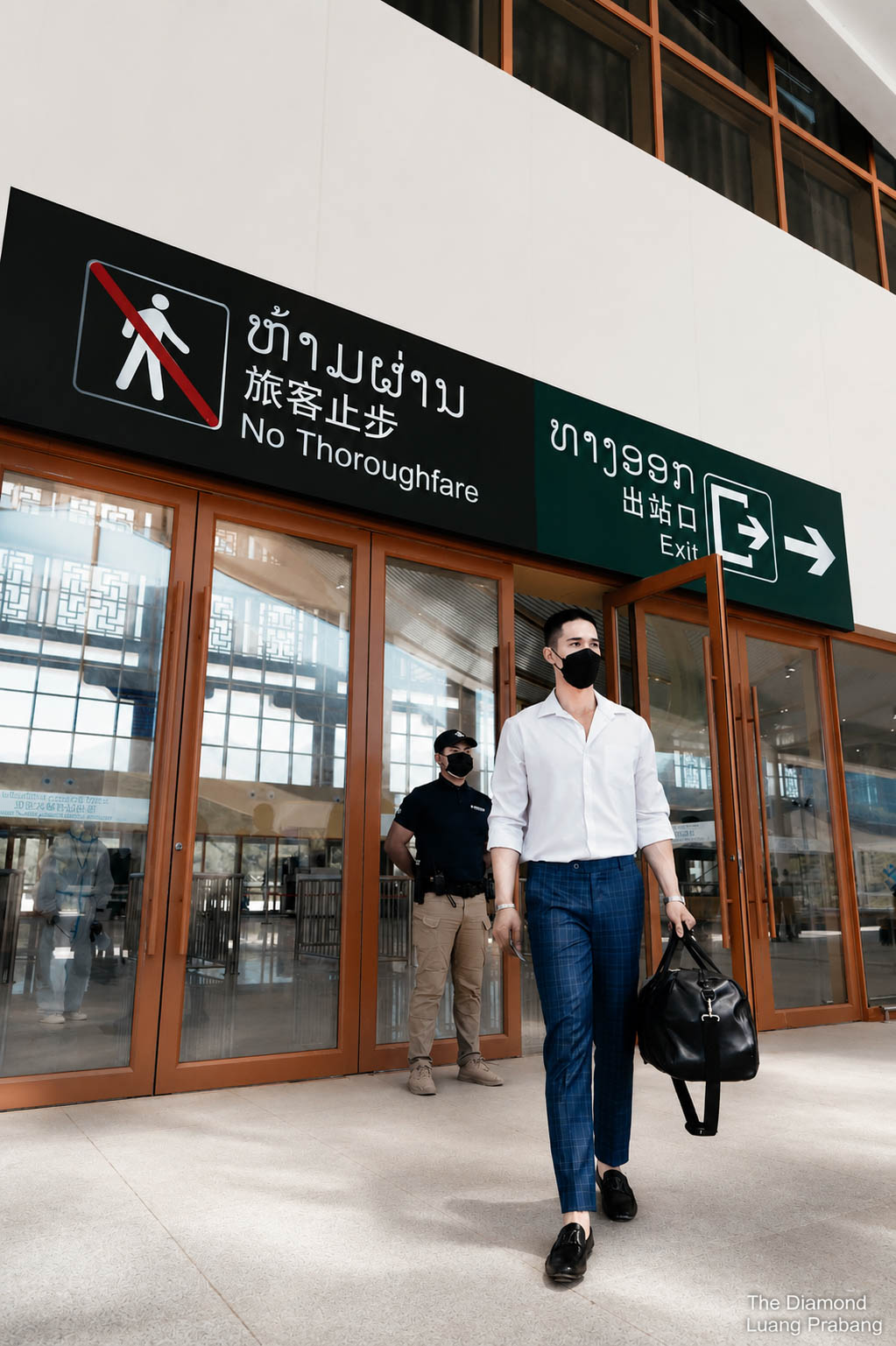
  • จุดที่ 1: ด่านขาออก (สถานีหนองคาย) เมื่อขบวนรถไฟเดินทางถึงสถานีหนองคายในตอนเช้า รถไฟจะจอดนิ่งเพื่อให้ผู้โดยสารทุกคนลงจากขบวนพร้อมสัมภาระทั้งหมด เพื่อเดินเข้าสู่ห้องโถงสถานีสำหรับทำพิธีการประทับตราออกจากประเทศไทย (Passport Control) หลังจากเสร็จสิ้นกระบวนการตรวจหนังสือเดินทางแล้ว ให้เดินกลับขึ้นมานั่งบนรถไฟตู้นอนขบวนเดิมเพื่อเตรียมตัวเคลื่อนตัวข้ามสะพานมิตรภาพไทย–ลาว แห่งที่ 1 มุ่งหน้าสู่ สปป.ลาว

  • จุดที่ 2: ด่านขาเข้า (สถานีคำสะหวาด เวียงจันทน์) เมื่อรถไฟข้ามพรมแดนมาถึงสถานีปลายทางคำสะหวาดในเวลา 09:05 น. ผู้โดยสารจะเข้าสู่กระบวนการตรวจคนเข้าเมืองของ สปป.ลาว ภายในอาคารสถานีทันที สำหรับนักเดินทางสัญชาติไทยที่ถือหนังสือเดินทาง (Passport) ที่มีอายุการใช้งานเหลือไม่น้อยกว่า 6 เดือน สามารถประทับตราเข้าเมืองและพำนักได้ 30 วัน โดยคุณสามารถเช็กข้อกำหนดเพิ่มเติมได้ที่ กรมการกงสุล กระทรวงการต่างประเทศ

  • สำหรับนักท่องเที่ยวต่างชาติ (International Travelers): หากพาสปอร์ตของคุณจำเป็นต้องใช้วีซ่าในการเข้า สปป.ลาว สามารถยื่นขอออนไลน์ล่วงหน้าได้ที่เว็บไซต์ทางการ Official Lao E-Visa Website หรือเลือกทำแบบฟอร์มกระดาษเพื่อขอ Visa on Arrival (VOA) ได้โดยตรง ณ สถานีรถไฟคำสะหวาด

🎒 สิ่งสำคัญที่ควรบันทึกไว้ก่อนออกเดินทาง (Before You Travel)

  • ระบบชำระเงินในลาว: ปัจจุบันใน สปป.ลาว สามารถใช้แอปพลิเคชันธนาคารไทยสแกนชำระเงินผ่านระบบ Lao QR (Scan Pay) ได้อย่างแพร่หลายตามร้านค้า คาเฟ่ และระบบขนส่งสาธารณะ แต่แนะนำให้พกเงินกีบหรือเงินบาทจำนวนหนึ่งสำหรับพาหนะท้องถิ่นรายย่อย

  • มาตรการความปลอดภัยบนรถไฟ LCR: สถานีรถไฟความเร็วสูงลาว–จีน มีระบบการตรวจเช็กสัมภาระที่เข้มงวดระดับสากล ห้ามนำของมีคมและวัตถุที่เป็นสเปรย์อัดแก๊สทุกชนิด (เช่น สเปรย์กันยุง สเปรย์ฉีดผม หรือสเปรย์น้ำแร่) เข้าสู่ชานชาลาและบนขบวนรถไฟเด็ดขาด โดยจะมีการสแกนสัมภาระอย่างละเอียดก่อนเข้าสู่สถานี


-------------------------------------


A Special Documentary Presentation
Produced by
The Diamond Luang Prabang and The Luang Prabang Edit
Contributor: Mr. Soviet Chalernphon So Viet
Director: Lo Phettakoun TheDiamond
Editorial Platform: www.LuangPrabang2Day.com
© 2026 The Diamond Luang Prabang & LuangPrabang2Day. All rights reserved.

Subscribe to: Posts ( Atom )
**History is meaningful when it can be verified.** Since 2007, LuangPrabang2Day has documented the evolving story of Luang Prabang through original community archives, documentary photography, and long-term editorial observation. This page presents the historical evidence of the platform's continuous development across nearly two decades, including archived community forums, historical records, and publicly verifiable digital archives.
  • Read More
  • Popular Posts

    • Lao New Year Documentary Collection — Set 3 The Hae Vor parade (ຂະບວນແຫ່ວໍ່) — Nang Sangkane 2026
    • Lao New Year Documentary Collection — Set 2 The Buddha Water Blessing Ceremony (ພິທີສົງນໍ້າພະ)
    • The Hae Vor Parade Lao New Year in Luang Prabang 2026
    • Lao New Year Documentary Collection — Set 1 Traditional Market Fair
    • Nang Sangkane 2025
    • The Hae Vor Parade Lao New Year in Luang Prabang 2026 — Set 4
    • กรุงเทพ → หลวงพระบาง โดยรถไฟ (คู่มือสมบูรณ์ 2026)
    • The Laos–China Railway Experience

    Blog Archive

    • ▼  2026 (62)
      • ►  July (5)
      • ▼  June (4)
        • The Human Infrastructure of Luang Prabang The Peop...
        • Before the Temples, Before the Kingdom How Two Riv...
        • The Digital Monument of Luang Prabang, A Journey f...
        • The Mekong Rail Journey (2026) Travel from Bangko...
      • ►  May (1)
      • ►  April (9)
      • ►  March (21)
      • ►  February (13)
      • ►  January (9)
    • ►  2024 (27)
      • ►  December (3)
      • ►  November (1)
      • ►  September (23)
    • ►  2019 (10)
      • ►  November (5)
      • ►  October (2)
      • ►  July (3)
    • ►  2018 (15)
      • ►  August (2)
      • ►  July (1)
      • ►  June (11)
      • ►  March (1)
    • ►  2017 (18)
      • ►  December (4)
      • ►  November (4)
      • ►  May (1)
      • ►  April (1)
      • ►  March (4)
      • ►  February (4)
    • ►  2011 (5)
      • ►  December (4)
      • ►  February (1)
    • ►  2010 (13)
      • ►  October (1)
      • ►  September (1)
      • ►  July (2)
      • ►  April (4)
      • ►  March (5)
    • ►  2009 (10)
      • ►  September (2)
      • ►  July (1)
      • ►  May (1)
      • ►  April (3)
      • ►  March (2)
      • ►  February (1)
    • ►  2008 (24)
      • ►  December (1)
      • ►  October (1)
      • ►  August (1)
      • ►  July (1)
      • ►  June (2)
      • ►  May (2)
      • ►  April (5)
      • ►  March (4)
      • ►  February (4)
      • ►  January (3)
    • ►  2007 (44)
      • ►  December (2)
      • ►  November (6)
      • ►  October (12)
      • ►  September (9)
      • ►  August (15)

    MENU

  • Home
  • Editorial Framework
  • MEDIA CHARTER
  • Cultural Governance
  • Ritual Infrastructure
  • Professional Standards
  • Stewardship
  • About
  • Contact Us
  • Pages

    • EDITORIAL FRAMEWORK
    • MEDIA CHARTER
    • CULTURAL GOVERNANCE
    • RITUAL INFRASTRUCTURE
    • PROFESSIONAL STANDARDS
    • STEWARDSHIP
    • ABOUT
    • CONTACT US

    Legacy Archive (Since 2007)

    LuangPrabang2day began as an online community in 2007. Our early discussion archive is preserved in our legacy forum: LuangPrabang2day ActiveBoard Archive .

    Established online since 2007 • Legacy Archive

    History: LuangPrabang2day has documented Luang Prabang online since 2007. View the early archive on our legacy forum .

    External References

    • UNESCO World Heritage Centre – World Heritage Convention
    • ICOMOS – International Council on Monuments and Sites
    • UNESCO – Culture and Heritage
    • Tourism Laos – National Level
    • Lao E-Visa – Official Government Site
    • Vientiane Times – National News and Context
    • LuangPrabang2Day.com – Independent cultural documentation and editorial observation

    © Luang Prabang 2Day – Heritage, Culture & System Insight

    Powered by Blogger.

    Report Abuse

    Search This Blog

    © 2007–2026 LuangPrabang2Day.com, An independent editorial platform based in Luang Prabang, Lao PDR — documenting living heritage through long-term observation, editorial interpretation, and cultural diplomacy.———Luang Prabang Today.–––– About the Platform • Editorial Principles • Privacy Policy • Observation Archive About • Editorial Policy • Contact • Terms and Conditions • Disclaimer
    Designed by OddThemes