Before the Temples, Before the Kingdom How Two Rivers Created Luang Prabang
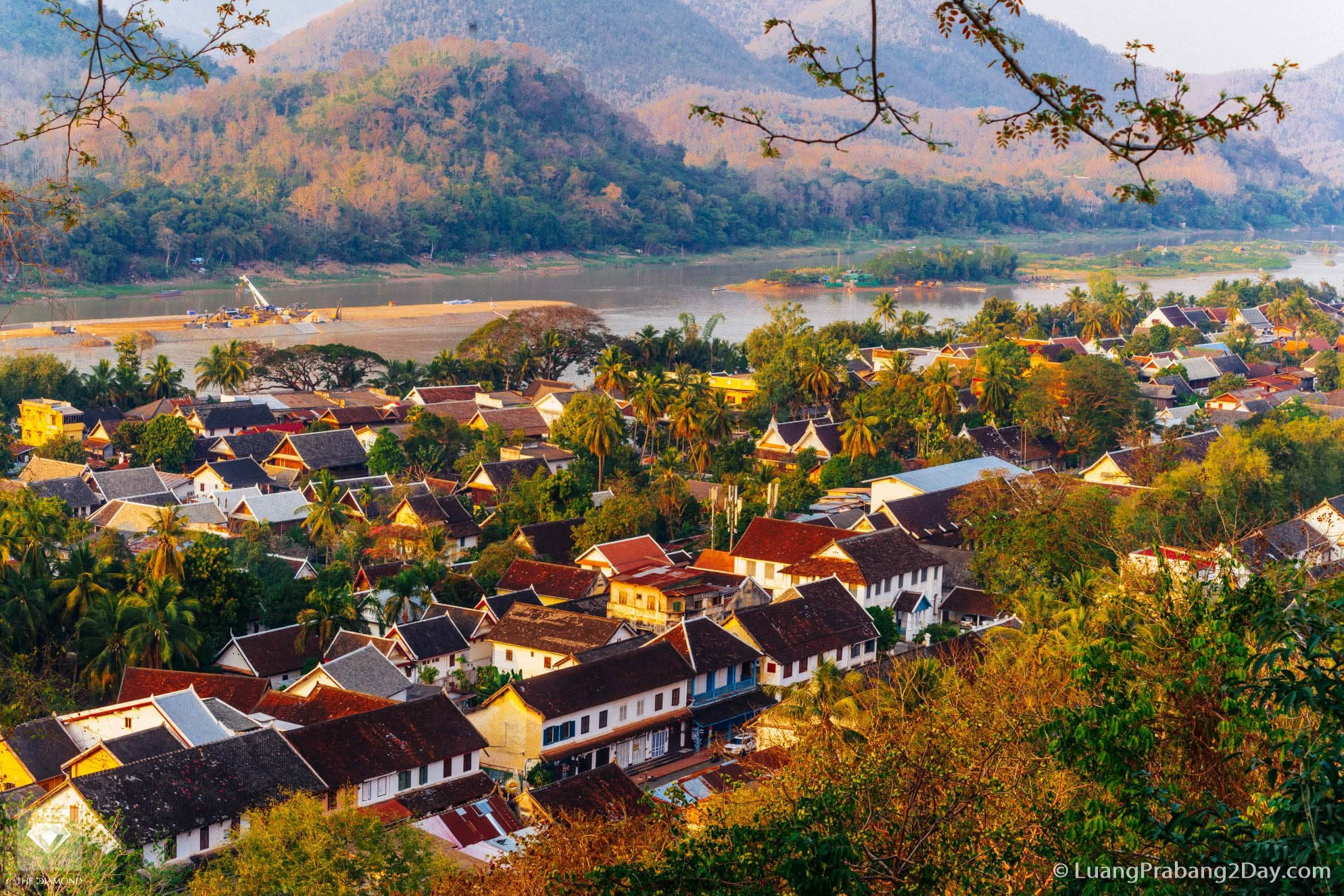
The historic peninsula of Luang Prabang resting gracefully between the Mekong River, the Nam Khan River, and the surrounding mountain basin, illuminated by the warm amber light of the golden hour.
Before the first temple roof appeared above the peninsula.
Before kings established their courts.
Before Luang Prabang became known to the world.
Two rivers were already here.
Flowing through mountains, forests, and valleys long before the rise of kingdoms, colonial administrations, modern tourism, or contemporary borders, they quietly shaped the landscape that would become one of Southeast Asia's most remarkable cultural cities.
The Mekong and the Nam Khan did not simply flow through Luang Prabang.
They created it.
Today, visitors often admire the city's monasteries, traditional architecture, and mountain scenery. Yet beneath every temple, every street, and every historic neighborhood lies a deeper story—one written not by rulers or architects, but by geography itself.
To understand Luang Prabang, one must first understand its rivers.
Where Two Rivers Meet
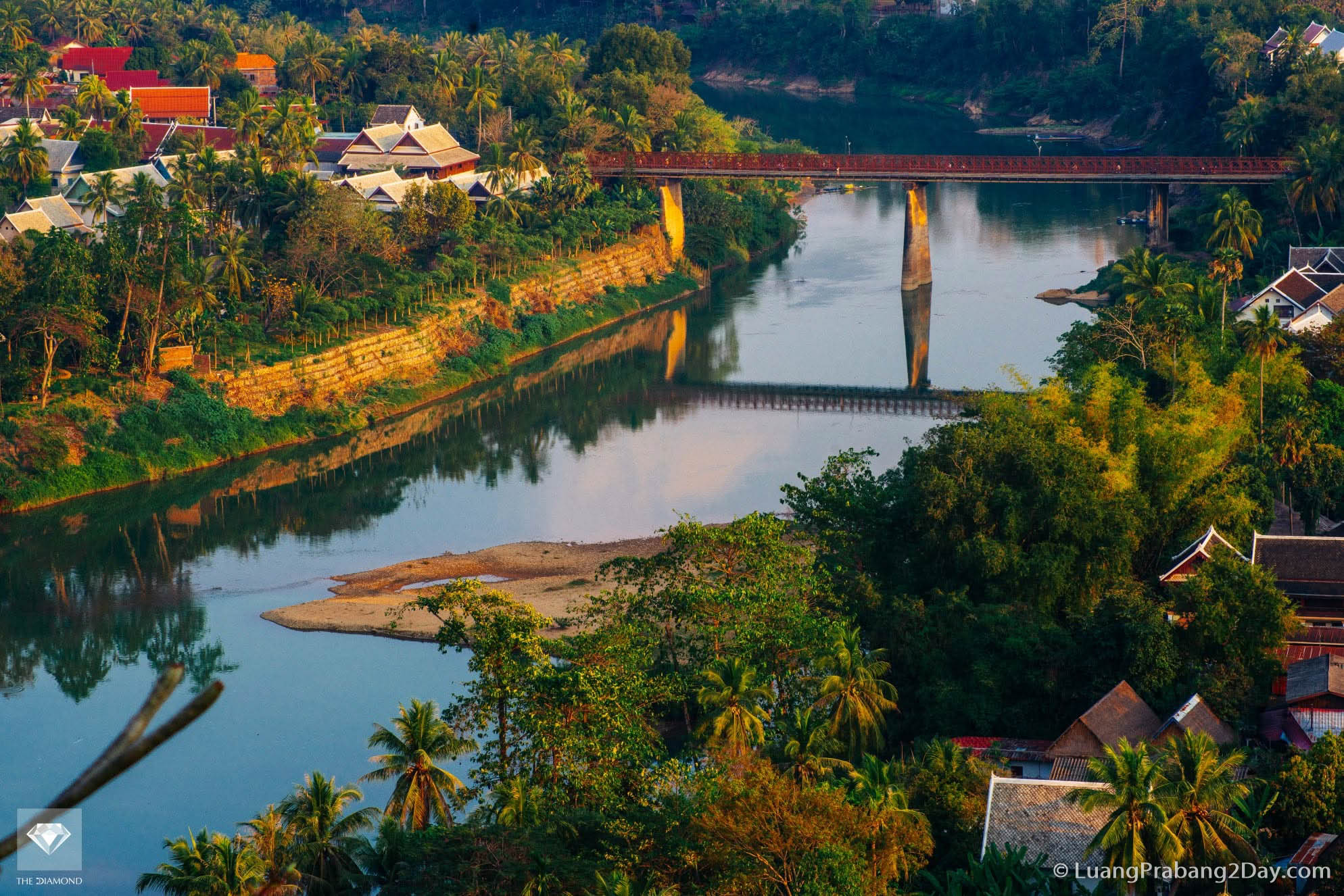
At the center of Luang Prabang lies an extraordinary geographical composition.
The historic city occupies a narrow peninsula positioned between two waterways.
To the west flows the Mekong River, one of Asia's great rivers and among the most influential cultural corridors in mainland Southeast Asia.
To the east flows the Nam Khan River, smaller in scale yet equally significant to the life of the city.
Together, these rivers provided fertile land, transportation routes, natural protection, and access to regional networks.
This location was not accidental.
Throughout history, human settlements have emerged where geography offered both opportunity and security.
Luang Prabang became one of those places.
The rivers created the stage upon which history would later unfold.
The Mekong: The Great Artery of Civilization
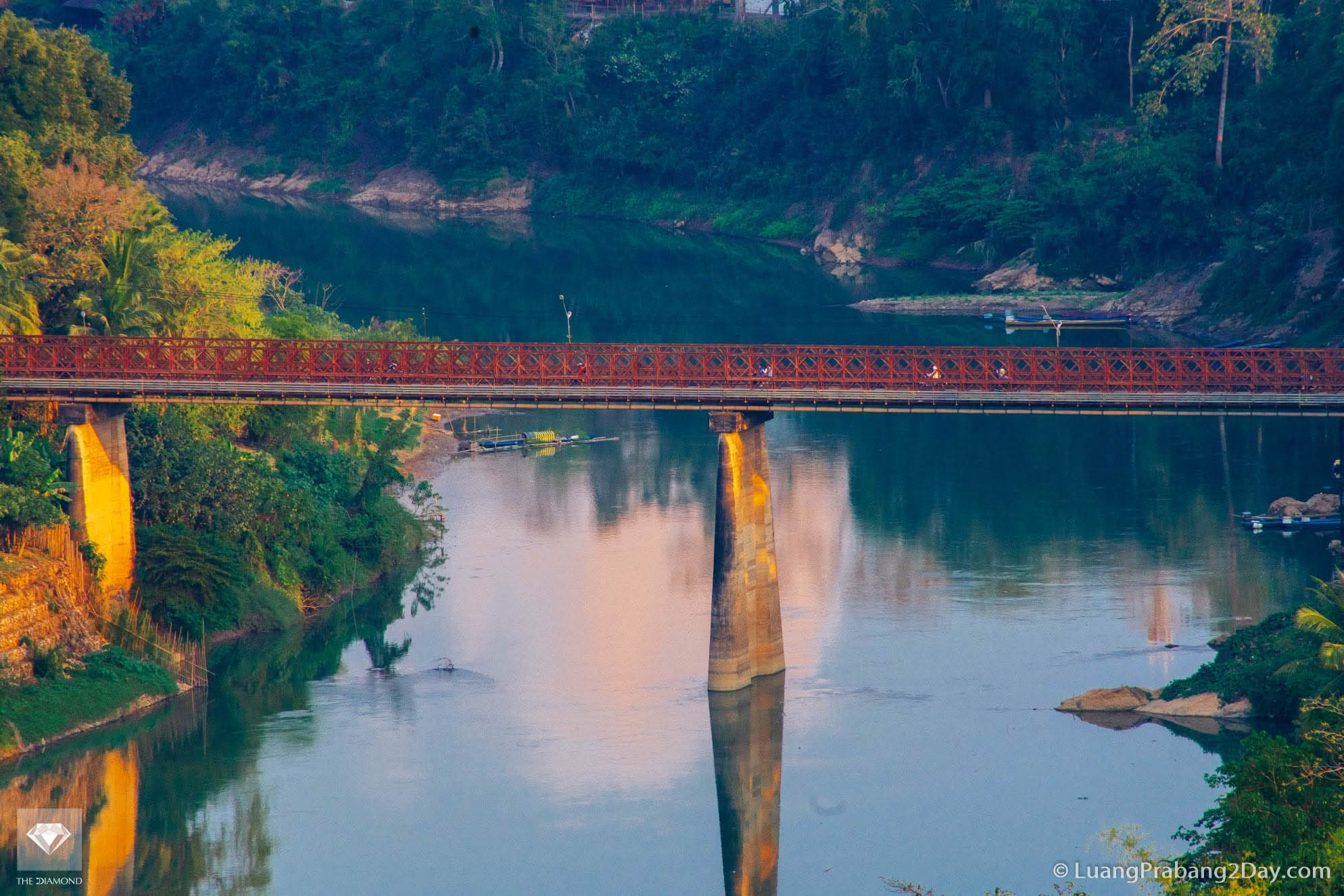
The Mekong River at dawn, reflecting the waters that served for centuries as one of Southeast Asia's most important transportation corridors, connecting communities, trade routes, and cultural exchange throughout the Lan Xang Kingdom.
Long before modern infrastructure transformed regional transportation, the Mekong served as one of Southeast Asia's principal corridors of movement.
Before highways.
Before railways.
Before airports.
The river itself was the highway.
Merchants, monks, diplomats, artisans, and travelers navigated its waters carrying more than goods. They carried beliefs, languages, artistic traditions, political ideas, and cultural influences.
Through the Mekong, Luang Prabang became connected to a world larger than itself.
The river linked distant communities across mountains, valleys, and kingdoms, helping transform a regional settlement into one of the most important political and spiritual centers of the Lan Xang Kingdom.
Its influence remains visible today.
The Mekong continues to shape seasonal rhythms, local livelihoods, and the visual identity of the city.
More importantly, it reminds us that Luang Prabang has never existed in isolation.
The Mekong is not merely part of the landscape.
It is part of the city's collective memory.
The Nam Khan: The River of Everyday Life
If the Mekong connected Luang Prabang to the wider region, the Nam Khan nurtured life within the city itself.
Its quieter waters supported communities along its banks for generations.
Gardens flourished.
Fishing communities developed.
Families settled nearby.
Daily life unfolded in close relationship with the river.
Unlike the grandeur of the Mekong, the Nam Khan reveals a more intimate side of the city.
At sunrise, its still waters mirror forests, bridges, temples, and traditional neighborhoods.
The scene is not dramatic.
It is enduring.
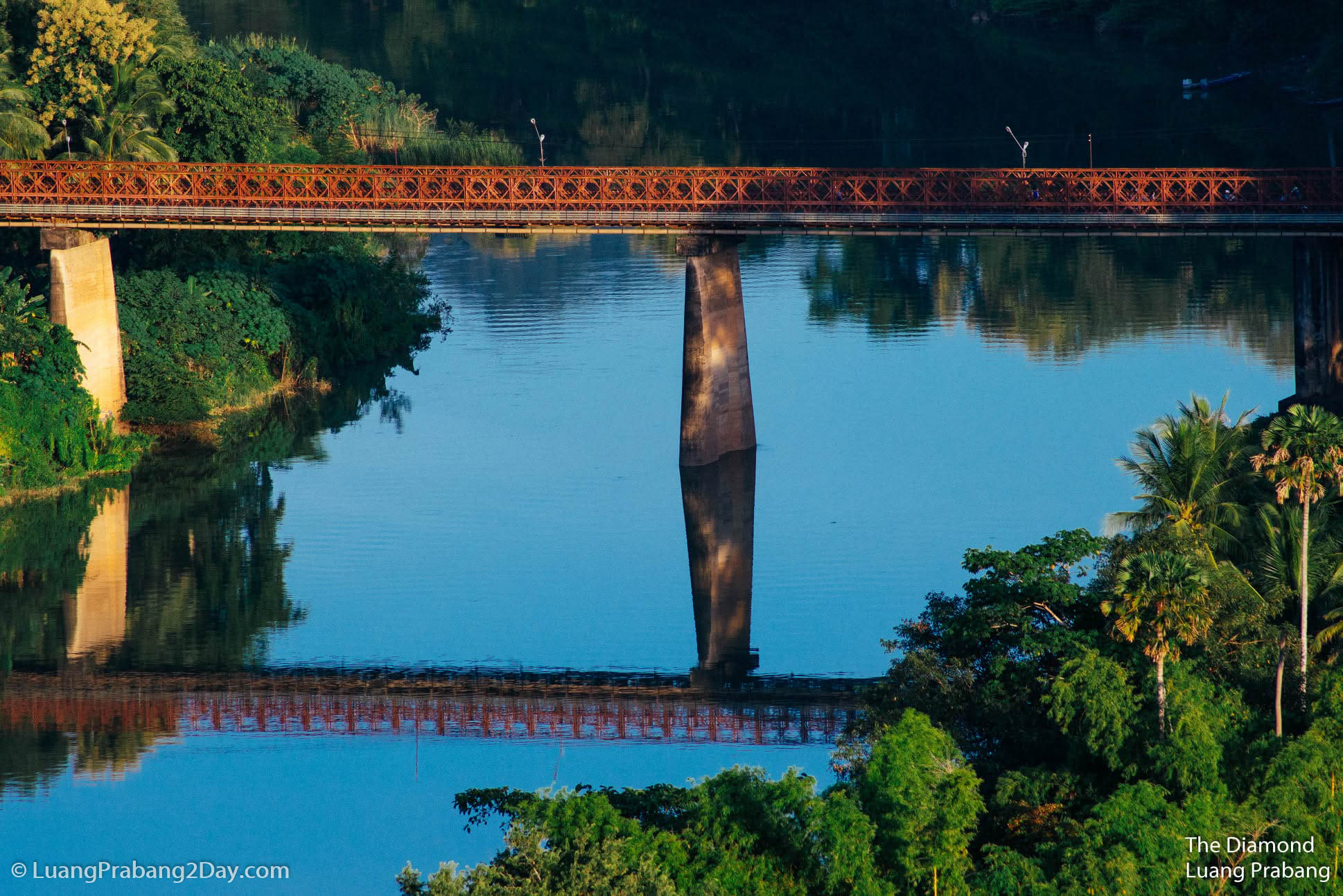
Lush riverbanks along the Nam Khan River, where generations of residents have lived, cultivated gardens, and maintained the everyday rhythms that continue to define the city's living heritage.
Within this quiet relationship between people and place lies one of the most important dimensions of cultural heritage.
Not all heritage is preserved in monuments.
Some heritage survives through routines.
Through relationships.
Through habits passed from one generation to another.
The Nam Khan reminds us that cultural heritage is not only preserved in architecture.
It is preserved in daily life.
Protected by Geography
The story of Luang Prabang is not only a story of rivers.
It is also a story of mountains.
Surrounding ridges and forested hills form a natural basin around the city, shaping patterns of settlement for centuries.
From elevated viewpoints, the relationship becomes immediately clear.
The mountains provide protection.
The rivers create movement and connection.
The city occupies the space between them.
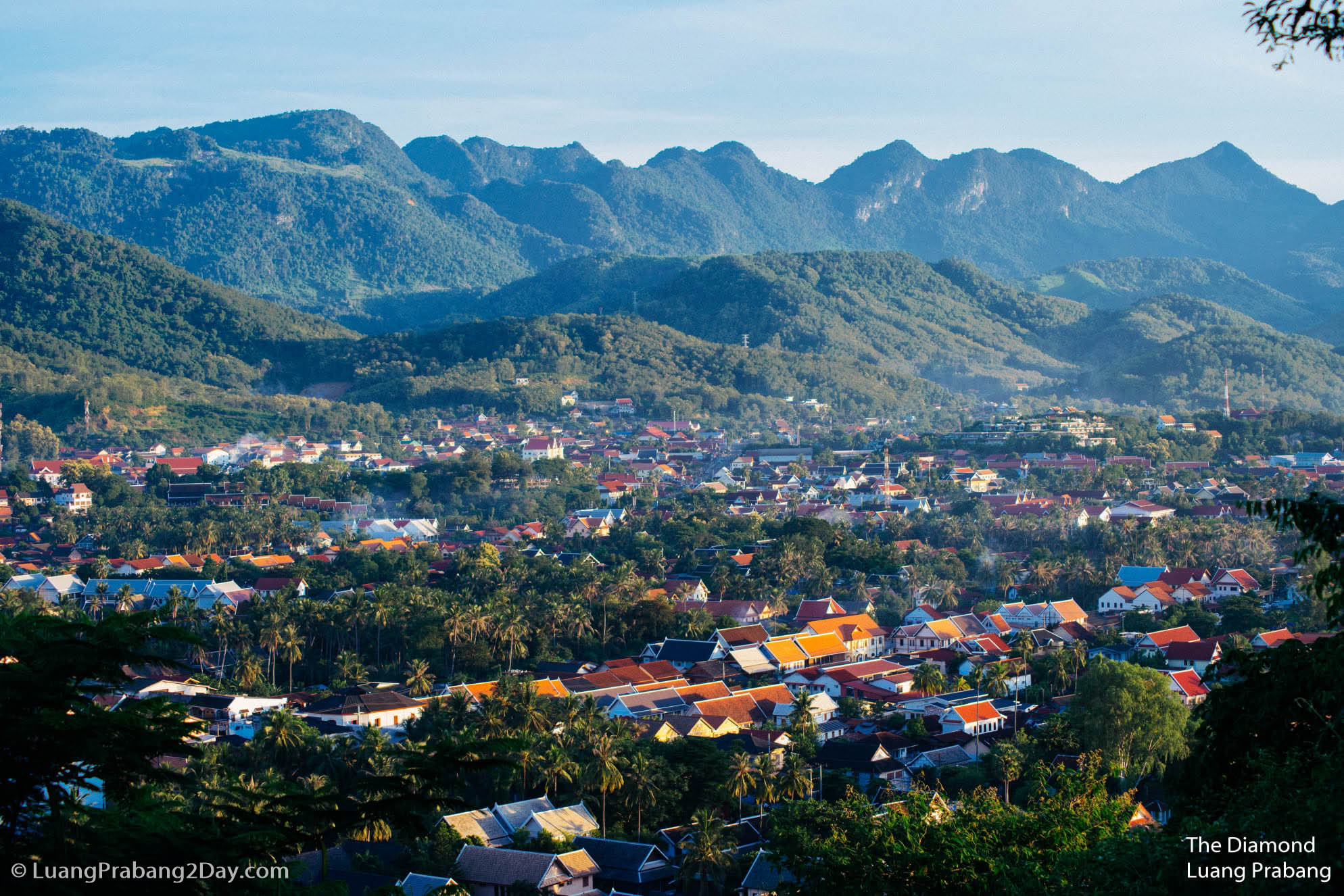
This balance between geography and human settlement remains one of the defining characteristics of Luang Prabang.
Unlike many rapidly expanding urban centers across Asia, the city continues to preserve a scale that feels profoundly human.
Nature is not separate from the city.
Nature remains part of the city.
And it is this enduring relationship that gives Luang Prabang its extraordinary sense of place.
Why UNESCO Matters
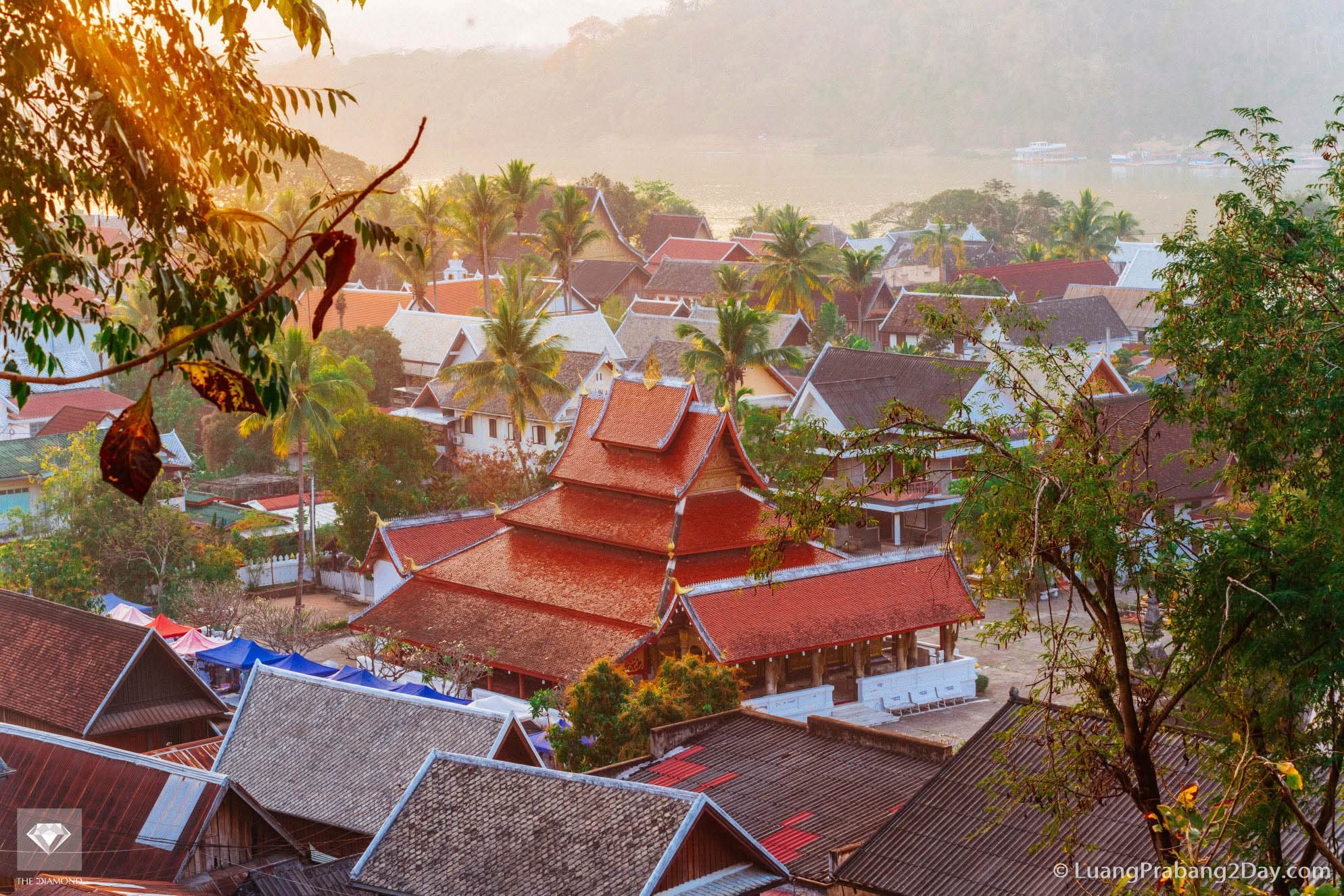
When UNESCO inscribed Luang Prabang on the World Heritage List in 1995, the recognition extended beyond monuments, temples, or architecture.
What was acknowledged was something larger.
A cultural landscape.
A place where rivers, mountains, architecture, spirituality, and everyday life continue to exist as a single living system.
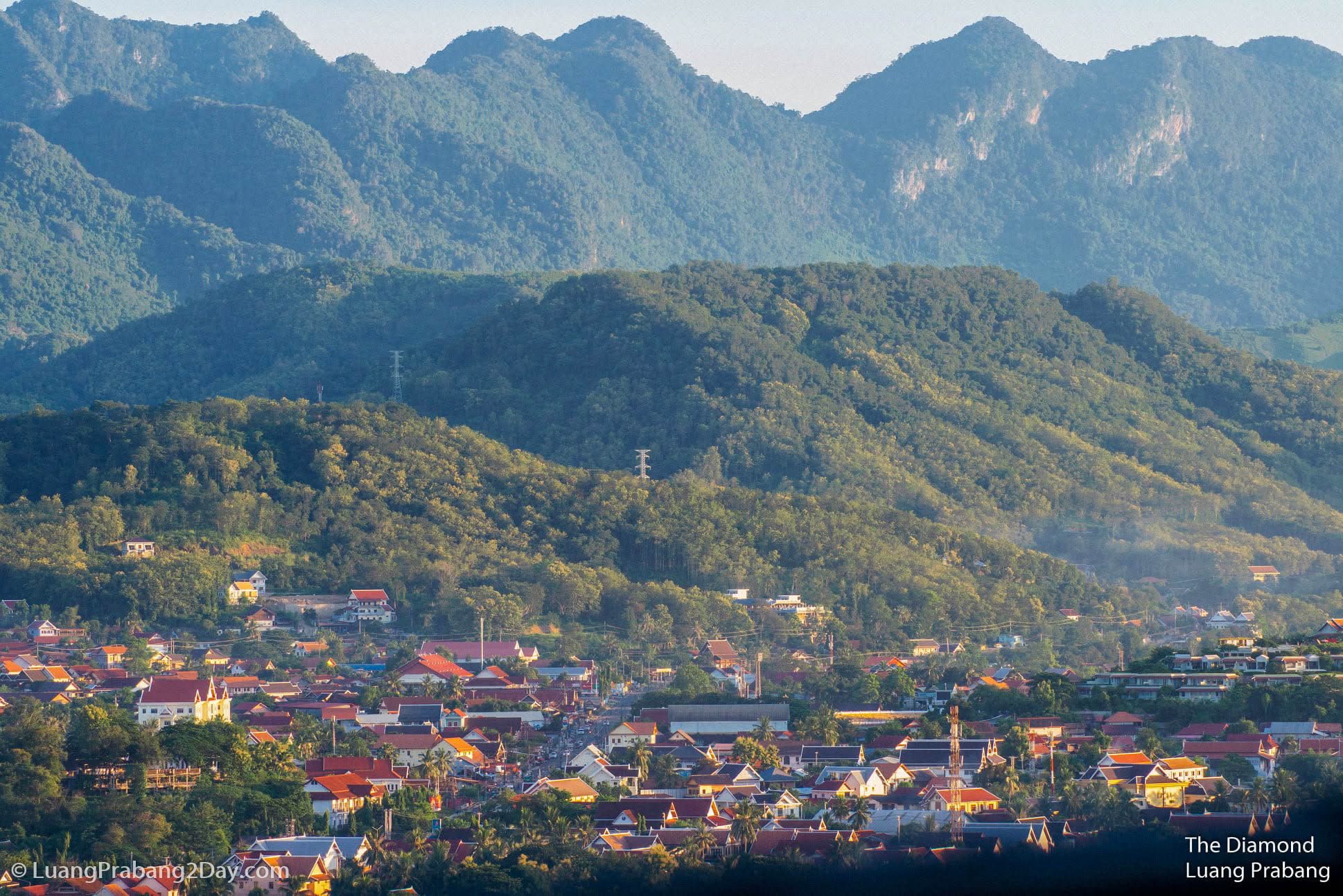
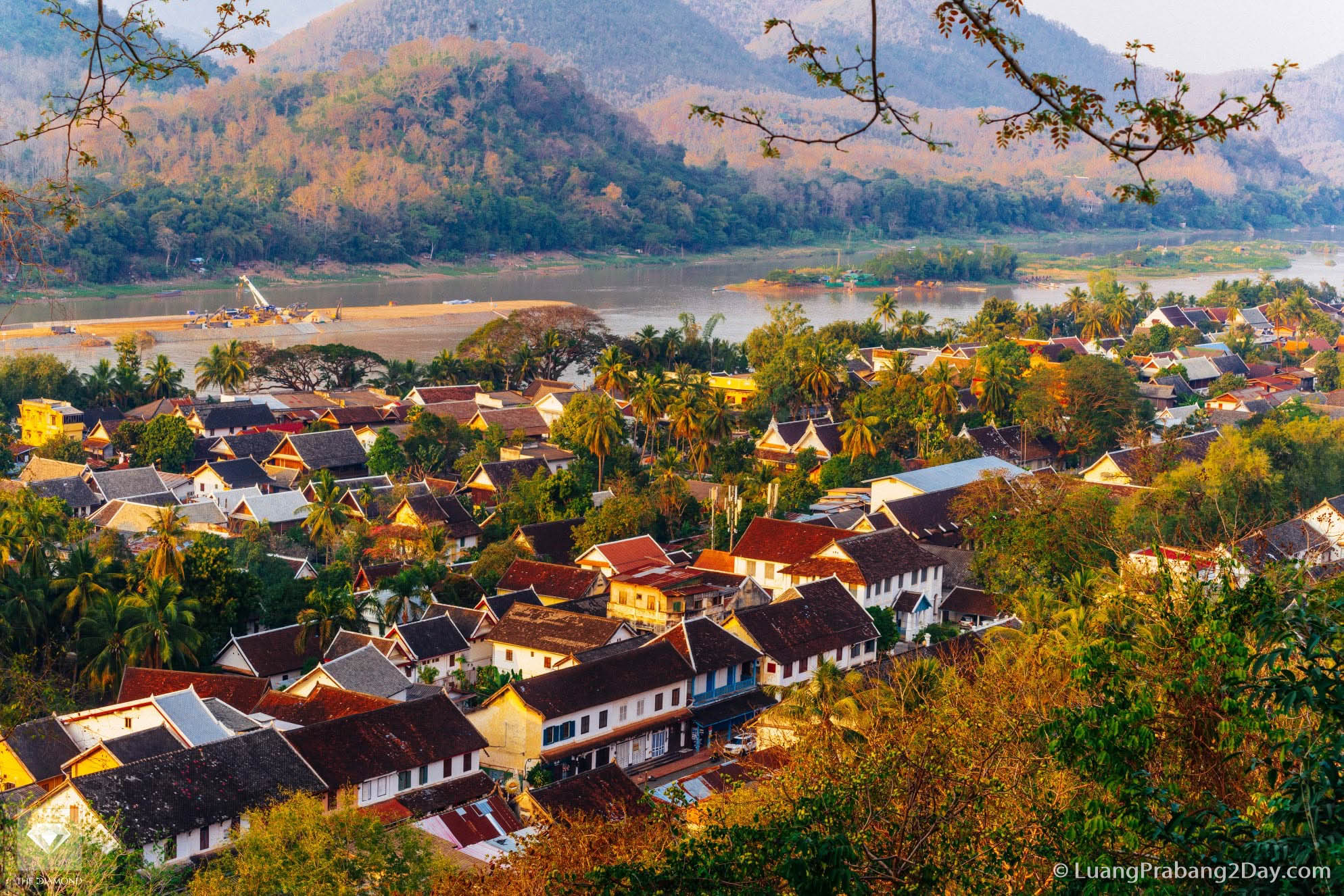
The historic core of Luang Prabang maintaining a rare human scale, where heritage architecture remains visually connected to rivers, forests, and the broader natural environment.
The significance of Luang Prabang lies not only in what was built.
It lies in the relationship between nature, culture, and time.
Remove the rivers, and the city loses its foundation.
Remove the surrounding landscape, and the city loses much of its identity.
The value of Luang Prabang is found in the continuity of these relationships.
And remarkably, they remain visible today.
A Living Heritage
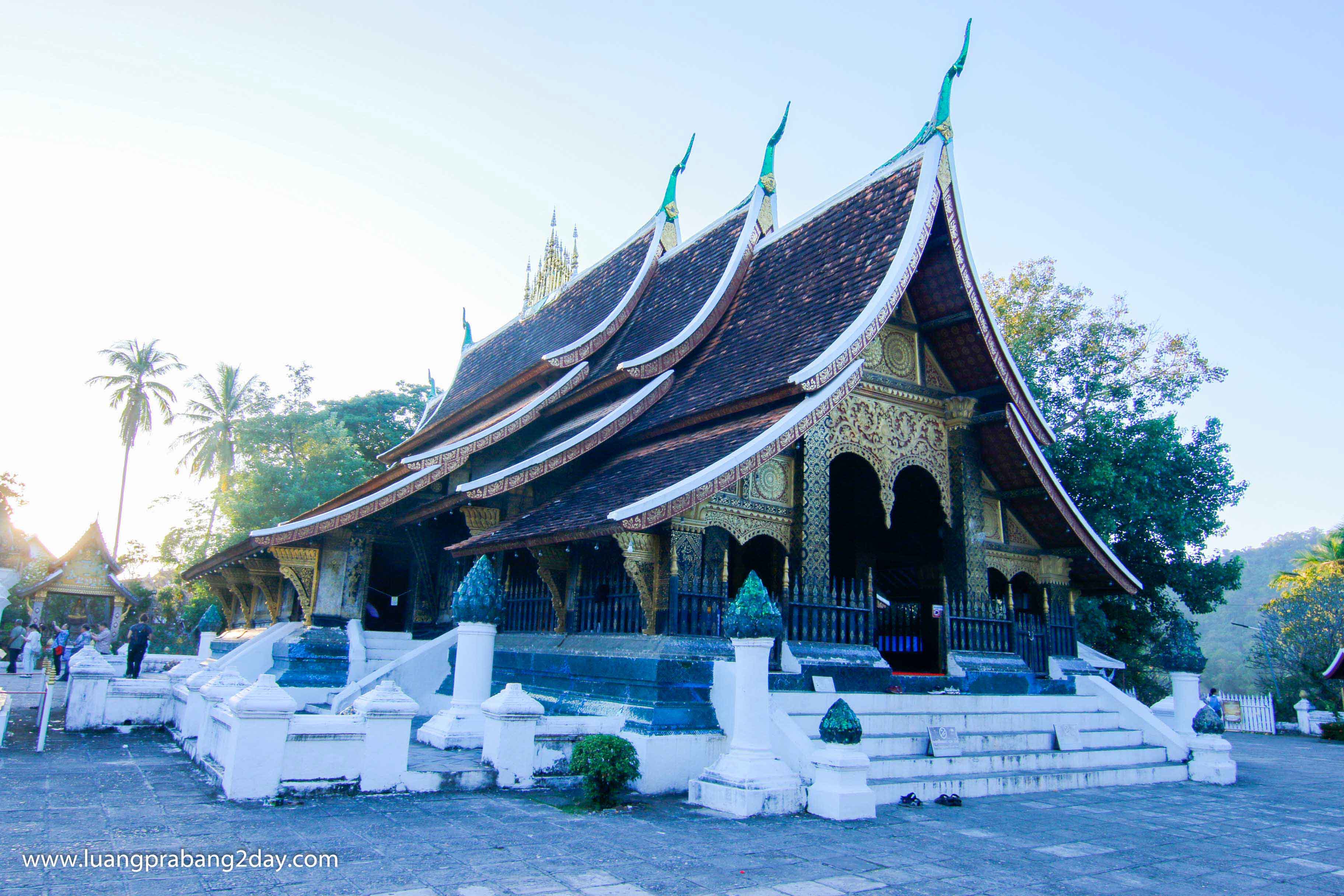
The sweeping rooflines of Wat Xieng Thong, one of the finest surviving examples of Lan Xang architecture and a defining symbol of Luang Prabang's spiritual and cultural identity.
In an age increasingly defined by speed, algorithms, and constant change, Luang Prabang offers a different lesson.
A lesson in continuity.
The rivers still flow.
The mountains still stand.
The city still breathes.
The Mekong and the Nam Khan are not relics of the past.
They remain active participants in the life of the city.
They influence climate.
They support livelihoods.
They shape movement.
They define identity.
And perhaps that is the most important lesson these rivers offer.
Luang Prabang was never built against nature.
It was built alongside it.
The rivers came first.
Kingdoms rose and faded.
Empires arrived and departed.
Generations passed.
Yet the waters continue their journey.
And Luang Prabang continues to grow quietly beside them.
As it always has.
As it was always meant to.
About LuangPrabang2Day.com
Founded in 2007, LuangPrabang2Day.com is an independent cultural media platform dedicated to documenting, interpreting, and safeguarding the living heritage, cultural landscapes, and historical continuity of Luang Prabang for future generations.
Through original photography, editorial storytelling, and long-form cultural documentation, the platform explores the relationship between people, place, memory, and time within one of Southeast Asia's most remarkable World Heritage cities.
ABOUT THE AUTHOR
Hello We are OddThemes, Our name came from the fact that we are UNIQUE. We specialize in designing premium looking fully customizable highly responsive blogger templates. We at OddThemes do carry a philosophy that: Nothing Is Impossible