Follow us

Luang Prabang Today

Luang Prabang Today

  • Home
  • Editorial Framework
  • MEDIA CHARTER
  • Cultural Governance
  • Ritual Infrastructure
  • Professional Standards
  • Stewardship
  • About
Home Archive for January 2026


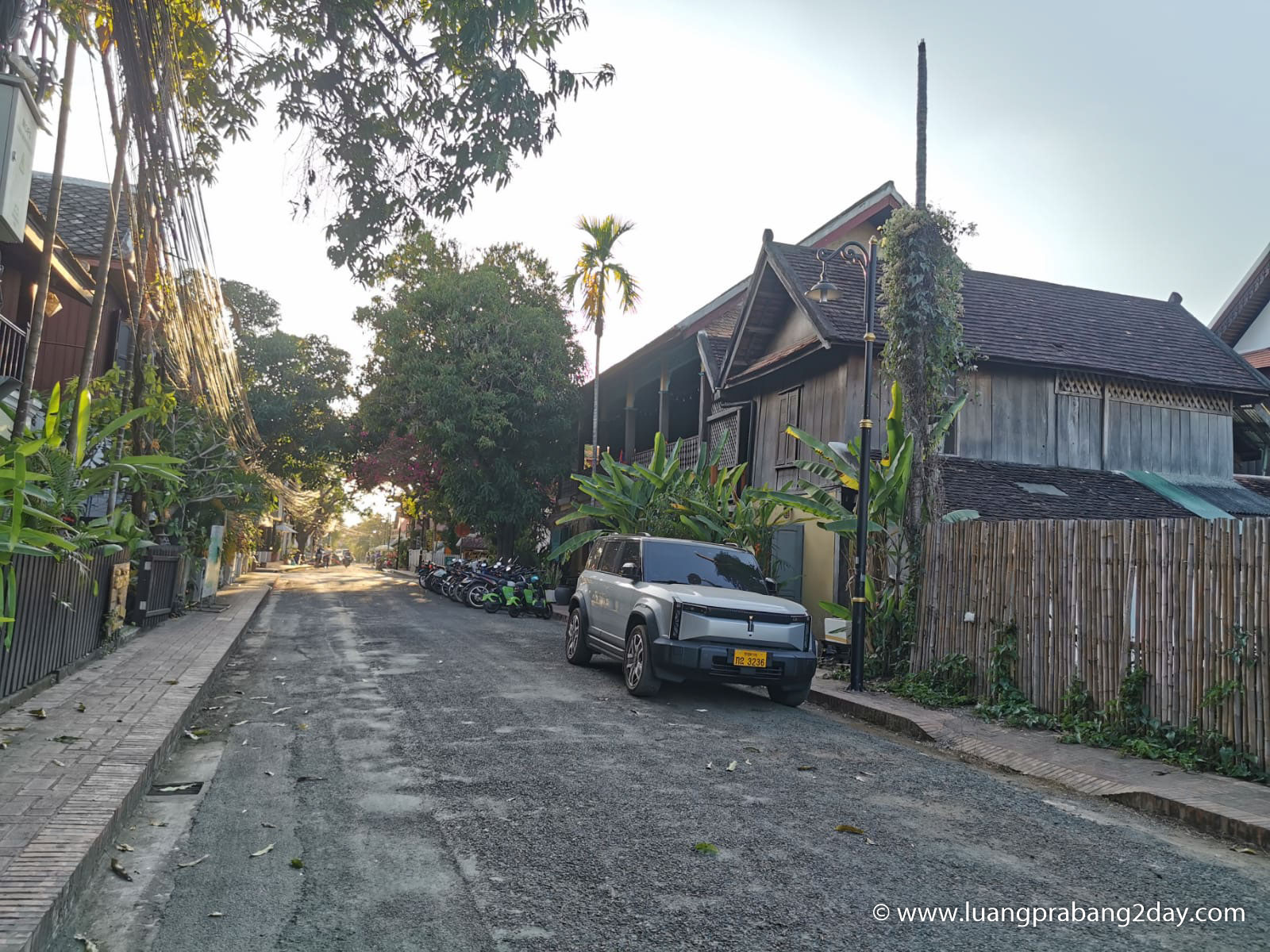
A quiet residential street in Luang Prabang with traditional wooden houses, reflecting everyday cultural continuity and stable urban life


Cultural Continuity Is Not Cultural Resistance

Stability ≠ Stagnation

Cultural continuity is often misunderstood.

When a city chooses to maintain long-standing practices, rhythms, or forms, observers sometimes interpret this choice as resistance to change. Stability is mistaken for stagnation. Restraint is described as hesitation. Continuity becomes framed as reluctance to modernize.

This misunderstanding appears frequently in discussions about historic and heritage cities, where visible preservation is easily misread as unwillingness to evolve.

Yet continuity and resistance are not the same thing.

One protects coherence.
The other rejects engagement.

Confusing the two leads to flawed decisions — policies that attempt to accelerate change without understanding the systems already sustaining stability.

Understanding the difference is therefore not merely theoretical. It shapes how cities grow, how communities adapt, and whether heritage environments remain living systems or gradually become disconnected from themselves.


Continuity as a System Function

In historic cities, culture is not decoration.

It is infrastructure.

Practices transmitted across generations — rituals, spatial habits, seasonal timing, etiquette, and informal social agreements — serve coordinating functions within urban life. They organize behavior without constant instruction. They regulate pace without enforcement. They maintain alignment between individuals and shared space.

These practices form what might be described as a cultural operating system.

Just as software coordinates processes within a computer, cultural continuity coordinates relationships within a city. It ensures that daily activity unfolds within shared expectations, reducing conflict and uncertainty.

Continuity allows adaptation without disorientation.

Change still occurs. New technologies appear. Economic patterns evolve. External influences arrive.

But change happens within an existing framework of meaning.

This framework provides orientation — a sense of direction that allows transformation without fragmentation.

Continuity therefore represents structural memory: knowledge embedded in behavior rather than stored in documents.


Why Continuity Is Often Misread

Modern development discourse frequently prioritizes visibility, speed, and measurable output. Progress becomes associated with acceleration — faster construction, faster decision-making, and faster economic turnover.

Within this framework, systems designed for balance can appear inefficient.

A city that moves carefully may seem hesitant. Processes that involve consultation or gradual adaptation may appear slow compared to rapid transformation models.

Yet historic cities were not designed for rapid reconfiguration.

They evolved incrementally through accumulated experience. Adjustments occurred through alignment rather than replacement. Each generation modified inherited structures carefully, maintaining compatibility with existing social and environmental conditions.

What appears slow from an external perspective often reflects calibration.

What appears resistant may actually be evaluative.

Continuity does not oppose change; it asks whether change fits the system.


The Tempo of Heritage Cities

Every city operates according to tempo — a characteristic rhythm shaping how decisions unfold and how daily life is experienced.

Modern metropolitan environments often function at accelerated tempos driven by global markets and technological networks. Speed becomes necessary for competitiveness.

Heritage cities operate differently.

Their tempo reflects cycles of ritual, climate, and social interaction developed over centuries. Movement aligns with human scale rather than mechanical efficiency. Time includes pauses — moments allowing reflection, adjustment, and recovery.

This slower tempo is not accidental.

It stabilizes relationships between people, space, and meaning.

Acceleration introduced without sensitivity to tempo creates tension. Systems designed for gradual adaptation struggle under rapid change. Coordination weakens because shared rhythms disappear.

Understanding tempo reveals why continuity functions as protection rather than resistance.


The Risk of Confusing Continuity with Opposition

When continuity is labeled as resistance, pressure emerges to “unlock” perceived constraints.

Well-intentioned interventions may attempt to modernize systems already functioning effectively — simply operating according to different priorities.

Policies designed to increase efficiency may unintentionally disrupt coordination. Projects aimed at revitalization may replace practices that previously sustained balance.

Friction appears not because communities reject innovation, but because innovation arrives without translation.

Cultural systems do not reject new ideas.

They require new ideas to become legible within existing meaning structures.

Translation — the process of aligning innovation with cultural logic — determines whether change strengthens or destabilizes continuity.

Without translation, even beneficial interventions can create disorientation.


Continuity as Adaptive Intelligence

Continuity should not be understood as preservation of sameness.

Rather, it represents adaptive intelligence developed over time.

Communities maintain certain practices not because they refuse alternatives, but because those practices have proven effective in sustaining social harmony and environmental balance.

Continuity filters change.

It allows useful innovation while slowing transformation that risks destabilizing identity.

This filtering function resembles ecological resilience. Ecosystems survive not by resisting all change but by integrating change at a rate compatible with internal processes.

Similarly, cultural continuity enables gradual evolution without systemic shock.

Cities governed by continuity therefore change continuously — but rarely abruptly.


Continuity Enables Sustainable Change

Cities maintaining strong continuity often demonstrate long-term resilience.

They are able to:

  • absorb external influence without fragmentation,

  • integrate new economic functions while preserving cultural meaning,

  • adjust spatial use without losing identity,

  • maintain trust between institutions and communities.

Continuity provides a stable reference point against which change can be evaluated.

Without such reference, transformation becomes reactive rather than intentional.

Change accumulates without direction.

Continuity ensures change remains cumulative rather than disruptive.

Each adaptation builds upon previous structures instead of replacing them entirely.


Cultural Memory and Collective Coordination

One of continuity’s most important functions lies in coordination.

Shared cultural memory reduces the need for explicit regulation. People understand appropriate behavior through inherited practice rather than constant instruction.

This coordination produces social efficiency of a different kind — not speed efficiency, but relational efficiency.

Conflicts decrease because expectations are shared. Public space functions smoothly because behavior aligns naturally.

When continuity weakens, coordination must be replaced by regulation. Rules multiply where shared understanding once existed.

Thus, continuity reduces governance burden by embedding order within culture itself.


Luang Prabang as a Living Example

Luang Prabang illustrates how continuity enables engagement rather than isolation.

The city has interacted with global influences for centuries — through trade, colonial history, religious exchange, and international recognition. Yet it has maintained coherence because adaptation occurred selectively.

External frameworks were negotiated rather than adopted wholesale.

Recognition through UNESCO did not create continuity; it acknowledged continuity already present.

The city’s stability arises from its ability to align new influences with existing rhythm.

Luang Prabang did not remain stable by rejecting the world.

It remained stable by remaining legible to itself while engaging with the world.

This distinction explains why continuity functions as strength.


A Different Understanding of Progress

In heritage environments, progress cannot be measured solely through expansion or acceleration.

Alternative indicators become necessary:

  • continuity of meaning,

  • preservation of coordination,

  • trust between generations,

  • endurance of cultural rhythm,

  • ability to adapt without fragmentation.

These measures evaluate long-term health rather than short-term output.

Progress becomes less visible but more sustainable.

Stability, in this context, represents responsibility — an awareness that present decisions shape conditions future generations must inhabit.


Stability as Responsibility

Stability is often interpreted as lack of ambition.

In reality, stability requires discipline.

Maintaining continuity demands ongoing negotiation between innovation and preservation. Communities must evaluate change carefully, balancing opportunity with responsibility.

This process requires awareness, patience, and collective judgment.

Stability therefore represents active stewardship, not passive preservation.

It reflects commitment to continuity across time rather than immediate advantage.


Reframing Continuity in a Changing World

As globalization accelerates exchange between cultures, misunderstanding continuity becomes increasingly risky.

Cities pressured to imitate external models may abandon systems that previously ensured resilience. Uniform development replaces localized adaptation.

Yet diversity of urban systems represents strength at global scale.

Heritage cities offer alternative models of sustainability — demonstrating that progress can coexist with continuity.

Recognizing continuity as intelligence rather than resistance allows more nuanced engagement between local knowledge and global innovation.


Conclusion: Continuity as Cultural Intelligence

Cultural continuity is not cultural resistance.

It is a form of intelligence shaped by time.

It prioritizes coherence over acceleration, alignment over disruption, and endurance over immediacy.

Cities that understand this distinction do not fall behind.

They remain whole.

They evolve without losing orientation. They adapt without abandoning identity. They demonstrate that stability and change are not opposites but partners within a balanced system.

In heritage cities like Luang Prabang, continuity ensures that progress strengthens rather than replaces what already works.

Because the goal is not simply to move forward.

It is to remain recognizable while doing so.


LuangPrabang2Day
Authority before action. Understanding before decision.
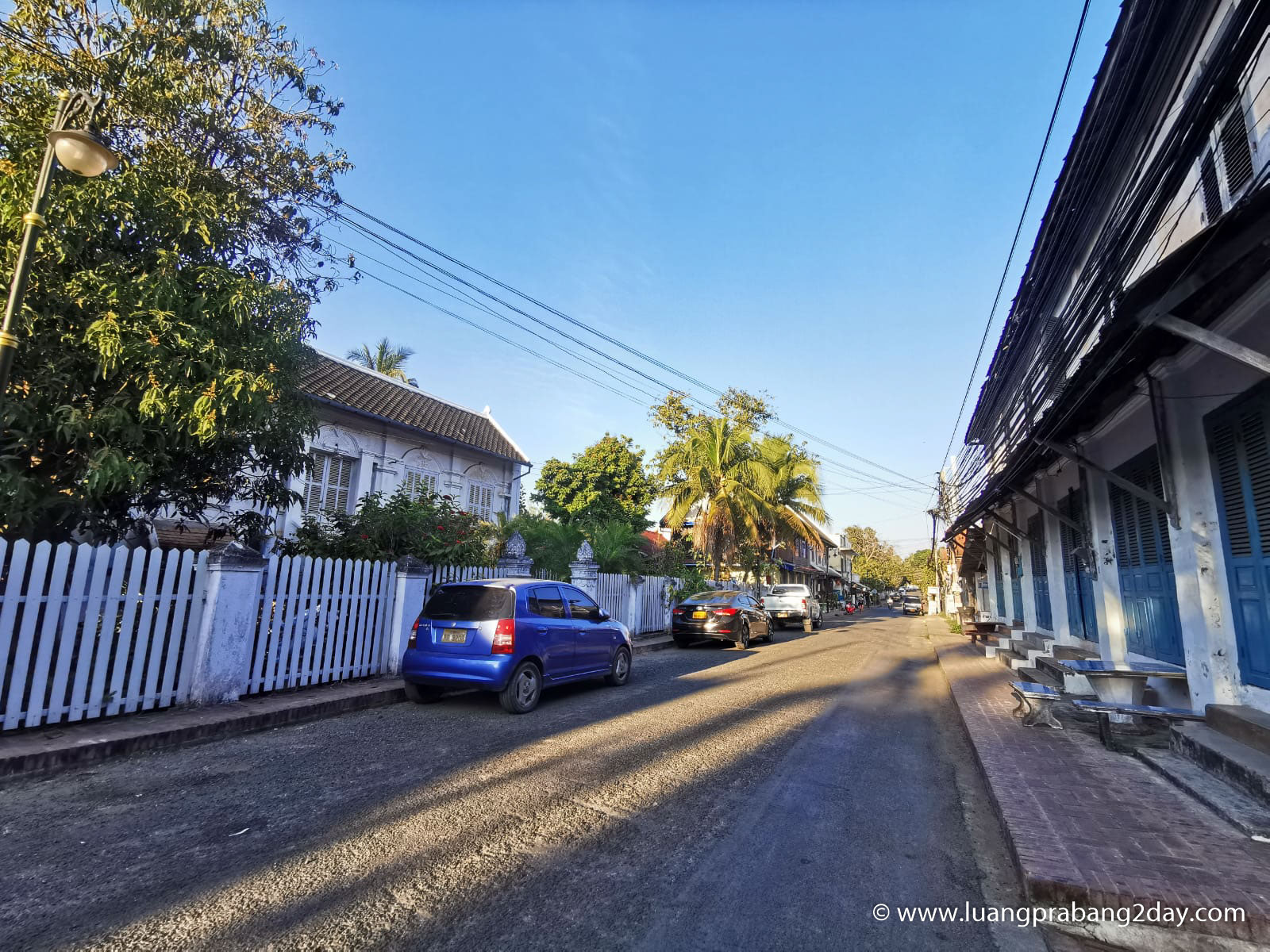
Quiet historic street in Luang Prabang showing preserved architecture and orderly urban space without visible daily activity


When Preservation Becomes Performance

Visibility ≠ Integrity

Preservation is often measured by what can be seen.

Restored buildings.
Clean streets.
Carefully maintained façades.
Architectural harmony preserved for the eye.

These visible signs matter. They signal care, attention, and respect for history. They reassure visitors and institutions alike that heritage has not been abandoned. A preserved city appears stable, legible, and protected.

Yet visibility alone does not guarantee continuity.

Across many historic cities, preservation gradually undergoes a quiet transformation — one rarely announced and seldom intentional. The focus shifts from protecting a living system toward presenting a convincing image.

This is the moment when preservation becomes performance.


Beyond Appearance

Heritage cities attract attention precisely because they appear timeless. Their streets suggest continuity; their architecture conveys endurance. Visitors arrive expecting to encounter the past still present within contemporary life.

But cities are not preserved through appearance alone.

A city survives through relationships — between people and space, ritual and routine, memory and adaptation. These relationships operate quietly. They are rarely documented in preservation reports because they are difficult to measure and almost impossible to standardize.

When preservation concentrates primarily on what is visible, these invisible relationships risk being overlooked.

The result is not immediate decline. On the contrary, the city may appear more orderly than ever.

This paradox makes the transformation difficult to recognize.


Appearance Can Improve While Systems Weaken

A heritage city can look increasingly intact while its internal coherence slowly changes.

Buildings are restored with precision.
Public spaces are cleaned and regulated.
Visual identity becomes carefully curated.

From the outside, preservation appears successful.

Yet beneath the surface, coordination begins to shift.

Daily practices adjust to external expectations.
Informal rhythms become constrained by formal presentation.
Spaces once shaped by lived use begin responding to observation.

Nothing dramatic occurs. Nothing collapses.

That is precisely why the transition often goes unnoticed.

Preservation, guided by sincere intention, gradually privileges what can be displayed over what allows everyday life to function naturally.

The city remains beautiful.

But beauty alone cannot sustain continuity.


What “Performance” Means in a Preservation Context

Performance, in this context, does not imply artificiality or deception. It refers to a subtle reorientation of priorities.

Performance-based preservation emphasizes:

  • visibility over continuity

  • aesthetics over lived practice

  • regulation over coordination

  • presentation over participation

The city becomes something to be observed rather than inhabited.

Spaces begin to respond to spectatorship. Cultural expressions become framed through expectation. Everyday activities adjust to align with how the city is imagined externally.

Buildings remain physically present, yet the relationships between space, time, and routine begin to loosen.

Importantly, this transformation rarely results from neglect. It often emerges from genuine efforts to protect heritage — efforts that focus narrowly on physical preservation while overlooking the systems that give those structures meaning.

Good intentions, when applied without systemic awareness, can unintentionally reshape the very continuity they aim to protect.


Preservation as System Maintenance

A living heritage city functions less like a monument and more like an ecosystem.

Its stability depends on countless small interactions:

  • shared understandings of appropriate behavior

  • rhythms structured by ritual and season

  • informal cooperation between residents

  • social expectations transmitted across generations

These mechanisms are not enforced through regulation alone. They are sustained through familiarity and repetition.

When preservation frameworks prioritize appearance, they risk treating culture as an object rather than a process.

Yet continuity depends on process.

The preservation of form without preservation of function gradually separates the visible city from the lived city.

At first, the difference is almost imperceptible.

Over time, however, coherence becomes harder to sustain.


Why This Matters in Luang Prabang

Luang Prabang has never been sustained by appearance alone.

Its endurance emerged from coordination rather than spectacle — from shared rhythms that quietly organized collective life.

Morning offerings structured daily movement.
Seasonal ceremonies shaped social time.
Temple spaces mediated relationships between silence and community.

These practices were not performances arranged for observation. They were mechanisms through which the city understood itself.

The coherence of Luang Prabang historically depended on restraint as much as activity — an unspoken agreement about how space should be shared and how presence should be expressed.

Such mechanisms cannot be fully preserved through restoration plans or visual guidelines.

They exist within behavior.

When preservation focuses primarily on display, it risks interrupting these subtle forms of coordination.

The city may continue to appear preserved, yet its internal logic becomes increasingly fragile.


Integrity Is Not Always Visible

Integrity in a heritage city is rarely dramatic.

It does not announce itself through perfection or uniformity. Instead, it appears through ease — the ability of daily life to unfold without constant instruction or supervision.

A city with integrity functions naturally because its inhabitants understand how to move within it.

Rules are rarely spoken because shared awareness already exists.

When preservation becomes performance, additional regulation often becomes necessary to maintain order that once emerged organically.

The city begins requiring management where it previously relied on understanding.

This shift signals not failure, but imbalance.

Integrity lives in coordination, not surface perfection.


The Role of Cultural Diplomacy

Cultural diplomacy offers an alternative perspective on preservation.

Rather than asking how heritage should appear, diplomacy asks how relationships can remain respectful and sustainable across changing conditions.

It recognizes that preservation involves negotiation — between past and present, residents and visitors, continuity and adaptation.

Diplomacy encourages attentiveness rather than control.

It acknowledges that heritage survives not by freezing culture, but by allowing it to evolve within recognizable rhythms.

Through this lens, preservation becomes less about maintaining an image and more about sustaining understanding.

The goal is not to prevent change, but to ensure change remains legible to the community that inhabits the city.


Preservation and Responsibility

Responsibility in cultural preservation extends beyond restoration.

It involves recognizing limits.

Not every cultural moment benefits from amplification.
Not every space requires visibility.
Not every tradition thrives under observation.

Care sometimes requires restraint.

A heritage city remains alive when its internal systems continue to operate without interruption — when residents recognize their environment as meaningful rather than staged.

Preservation succeeds when it protects conditions that allow culture to reproduce itself naturally.


A Quiet Threshold

The transition from preservation to performance rarely occurs suddenly.

It unfolds gradually:

A ritual becomes scheduled for viewing.
A space becomes defined primarily through photography.
An atmosphere becomes curated rather than lived.

Each step appears reasonable in isolation.

Together, they reshape perception.

The city begins to exist increasingly for observation rather than participation.

Loss does not arrive loudly.

It arrives quietly, through subtle shifts in emphasis.


Closing Reflection

Preservation succeeds when it protects how a city works, not only how it looks.

A city does not endure because it is carefully displayed. It endures because its systems remain legible to the people who live within it.

When preservation remains aligned with continuity, heritage stays alive — adaptive, meaningful, and resilient.

When preservation becomes performance, beauty often remains.

But coherence fades quietly.

And what disappears is not architecture, but understanding.


LuangPrabang2Day
Authority before action. Understanding before decision.
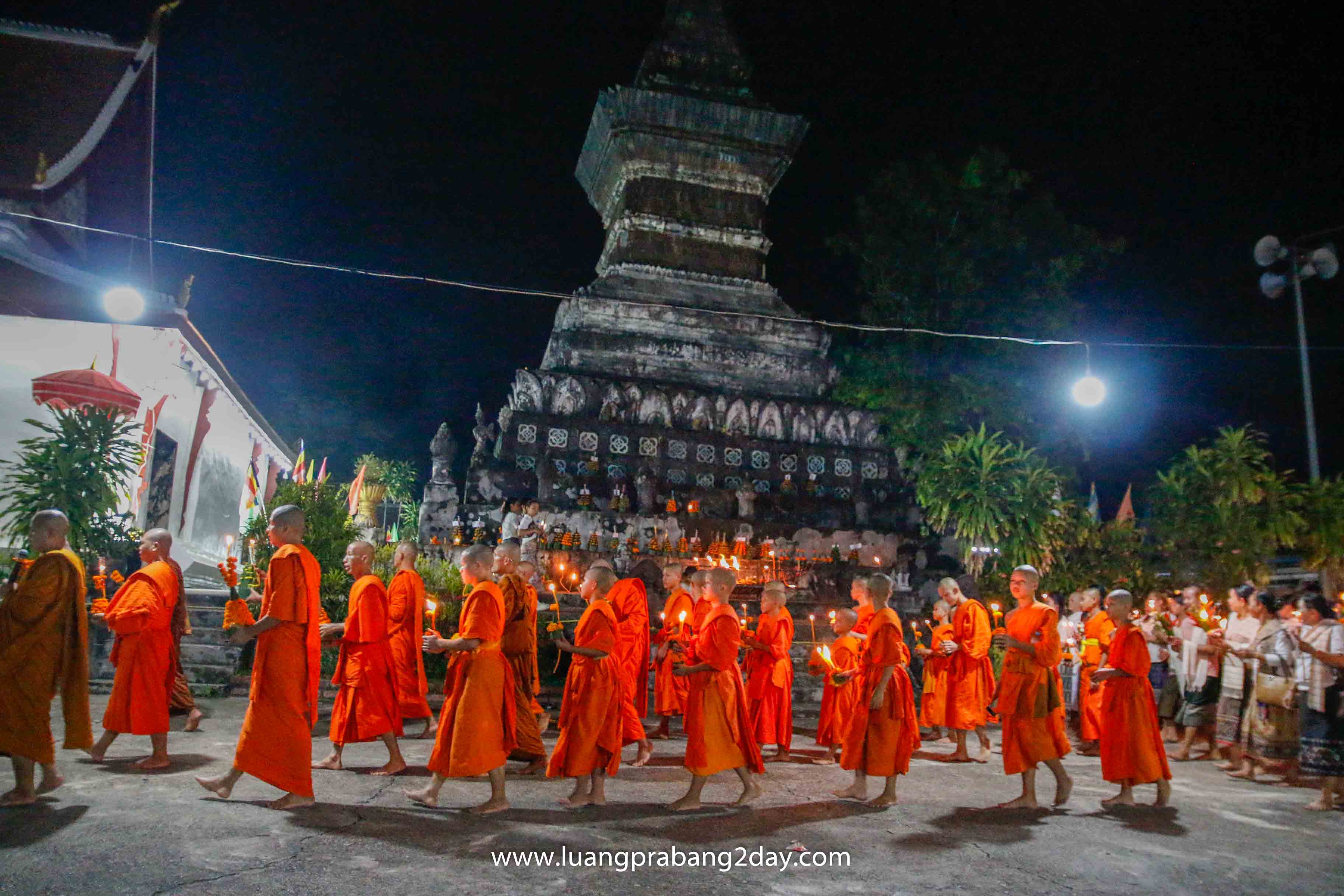

Buddhist monks taking part in a nighttime ritual in Luang Prabang, reflecting how heritage cities are governed through cultural practice rather than tourism promotion.

Why Heritage Cities Must Be Governed, Not Marketed

Continuity Before Visibility

Heritage cities are often introduced to the world through promotion.

Images circulate across borders. Stories are simplified into recognizable narratives. Recognition becomes visibility, and visibility becomes the primary measure of success.

Marketing, in itself, is not wrong. It allows cities to become known. It creates curiosity, invites exchange, and connects places to global audiences who might otherwise remain unaware of their existence.

Yet a quiet risk emerges when visibility begins to replace governance.

When attention arrives faster than structure, heritage cities do not immediately collapse. Instead, they begin to drift — gradually moving away from the systems that once allowed them to endure across generations.

In many historic cities, promotion arrives before institutional or cultural alignment. That order matters more than it first appears.

Heritage cities rarely fail because they lack attention.

They struggle when attention expands faster than their internal systems can absorb.


Marketing Explains. Governance Sustains.

Marketing and governance serve fundamentally different purposes.

Marketing focuses on perception.
Governance focuses on decisions.

Marketing asks:

  • How is the city seen?

  • How is it positioned within global imagination?

  • How is its story communicated and remembered?

Governance asks different questions:

  • How are choices made?

  • How are competing interests balanced?

  • How is continuity protected over time?

Marketing communicates identity outward.
Governance protects identity inward.

When these functions become confused, imbalance follows.

A city can be perfectly marketed — widely admired, photographed, and celebrated — while quietly losing the coherence that once sustained it.

This contradiction is increasingly common in heritage environments.


The Nature of Heritage Cities

Historic cities were not designed for scale.

They emerged gradually through layers of collective behavior: ritual timing, spatial meaning, social restraint, and shared expectations passed across generations.

Their resilience did not come from expansion but from coordination.

Heritage cities function through:

  • rhythm rather than acceleration

  • restraint rather than growth

  • legitimacy rather than promotion

  • continuity rather than novelty

These qualities make them culturally rich yet structurally delicate.

Unlike modern urban environments built for rapid adaptation, heritage cities depend on subtle balances that cannot easily be redesigned once disrupted.

They operate less like machines and more like ecosystems.

And ecosystems require governance, not amplification alone.


Why Heritage Cities Are Especially Vulnerable

Visibility introduces speed.

Recognition attracts curiosity.
Curiosity generates demand.
Demand places pressure on systems never designed for rapid scaling.

Without governance frameworks capable of mediating this pressure, adaptation begins to occur superficially rather than structurally.

Spaces adjust to expectation instead of function.
Practices adapt to observation instead of meaning.
Decisions prioritize short-term accommodation over long-term coherence.

The city may continue to look preserved.

But internally, coordination weakens.

Importantly, this transformation is not caused by tourism itself. Visitors are not the problem. Exchange between cultures has always existed.

The challenge arises when decision-making structures fail to guide change intentionally.

Without governance, change becomes reactive rather than deliberate.


Visibility Without Structure Creates Fragility

Recognition is powerful, but unmanaged recognition creates fragility.

As interest grows, pressures accumulate:

  • economic incentives accelerate transformation

  • spatial use becomes contested

  • cultural practices adjust to external expectations

  • everyday rhythms encounter increasing interruption

If governance mechanisms are absent or secondary, adaptation prioritizes visibility because visibility produces measurable results.

Yet what is measurable is not always what sustains continuity.

The city becomes optimized for observation rather than habitation.

Externally, success appears undeniable. Internally, coherence becomes increasingly difficult to maintain.

Fragility rarely appears dramatic at first. It manifests as gradual disconnection — between residents and spaces, tradition and adaptation, meaning and presentation.


Governance Is Not Control — It Is Care

Governance is often misunderstood as restriction or bureaucracy.

In heritage contexts, governance functions differently. It is a form of collective care.

Governance introduces deliberation where speed might cause irreversible change.
It creates pauses that allow consequences to be understood before decisions are made.

It protects shared resources that cannot easily be restored once lost.

Governance does not prevent growth; it guides growth so that change remains intelligible within the cultural system.

In this sense, governance is not the opposite of openness. It is the condition that makes sustainable openness possible.

Marketing promotes what exists.

Governance decides what should continue to exist.

The distinction is subtle yet essential.


Why Marketing Cannot Lead

Marketing operates within cycles of attention.

Campaigns rise and fade. Narratives evolve quickly. Visibility responds to changing global interests.

Heritage cities operate within cycles of inheritance.

Their timelines extend across generations rather than seasons. Decisions made today shape conditions decades into the future.

When promotional logic leads decision-making, cities begin optimizing for visibility metrics rather than cultural viability.

Short-term success may increase dramatically:

More recognition.
More images.
More external validation.

Yet systems optimized for continuity struggle to adapt to accelerated expectations.

The result is an environment that performs well externally while becoming increasingly fragile internally.

Governance does not eliminate change. It ensures change remains legible to the community that must live within its consequences.


Governance as Cultural Literacy

Effective governance in heritage cities requires cultural literacy — an understanding that heritage is not merely physical but relational.

Policies alone cannot sustain continuity. Understanding must accompany regulation.

Governance succeeds when decision-makers recognize:

  • which practices carry structural meaning

  • which spaces require restraint rather than activation

  • which forms of visibility strengthen identity and which dilute it

This form of governance resembles stewardship more than administration.

It listens before it intervenes.

It interprets before it transforms.

It acknowledges that cultural systems cannot always be optimized without losing coherence.


The Role of Cultural Diplomacy

Cultural diplomacy offers a framework for balancing visibility and continuity.

Diplomacy recognizes that heritage cities exist within global conversations while remaining grounded in local rhythms.

Rather than promoting culture as a product, diplomacy treats culture as relationship.

It encourages engagement that respects limits, acknowledges context, and prioritizes mutual understanding over rapid expansion.

Through diplomacy, marketing becomes informed by governance rather than replacing it.

Visibility becomes invitation rather than pressure.

Attention becomes dialogue rather than extraction.


A Different Measure of Success

Modern evaluation often measures success through reach, growth, and exposure.

For heritage cities, success must be measured differently.

The essential question is not:

“How many people notice the city?”

But rather:

“Can the city still recognize itself after attention arrives?”

Endurance, not expansion, becomes the defining metric.

A heritage city succeeds when its systems remain understandable to those who inhabit it — when continuity persists despite change.

Such outcomes cannot be captured through marketing analytics.

They require governance literacy and long-term perspective.


Conclusion

Heritage cities must be governed before they are promoted.

Not to limit their future, but to protect it.

Marketing may explain a city to the world.

Governance allows the city to remain itself.

When the order is reversed, the cost rarely appears immediately. Buildings remain. Streets remain recognizable. Beauty persists.

But structural coherence weakens quietly.

And what is lost is not appearance, but continuity.

In heritage cities, the future is not constructed from nothing.

It is inherited — carefully, gradually, and collectively.


LuangPrabang2Day
Authority before action.
Understanding before decision.
Because in heritage cities, the future is not built — it is inherited.


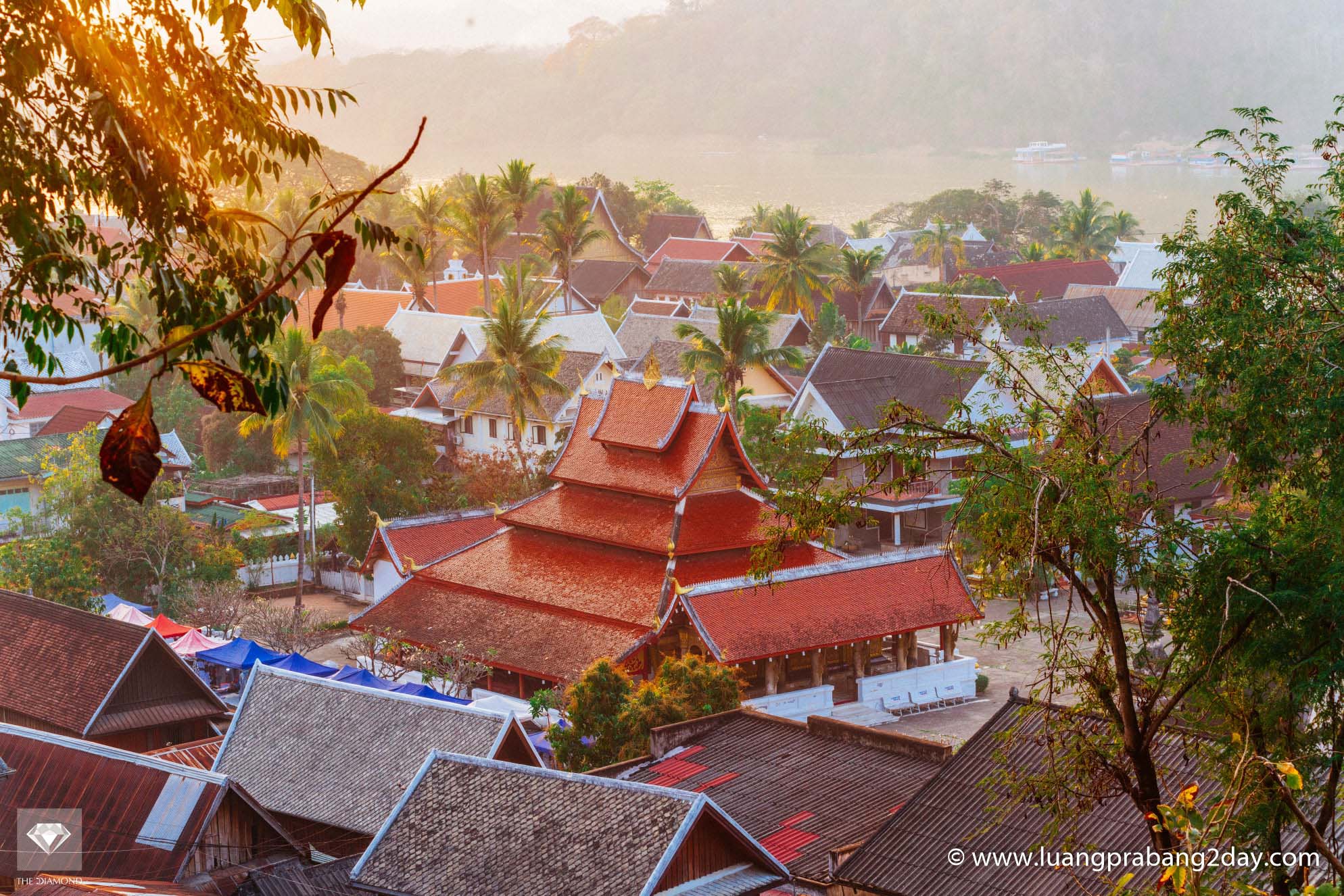
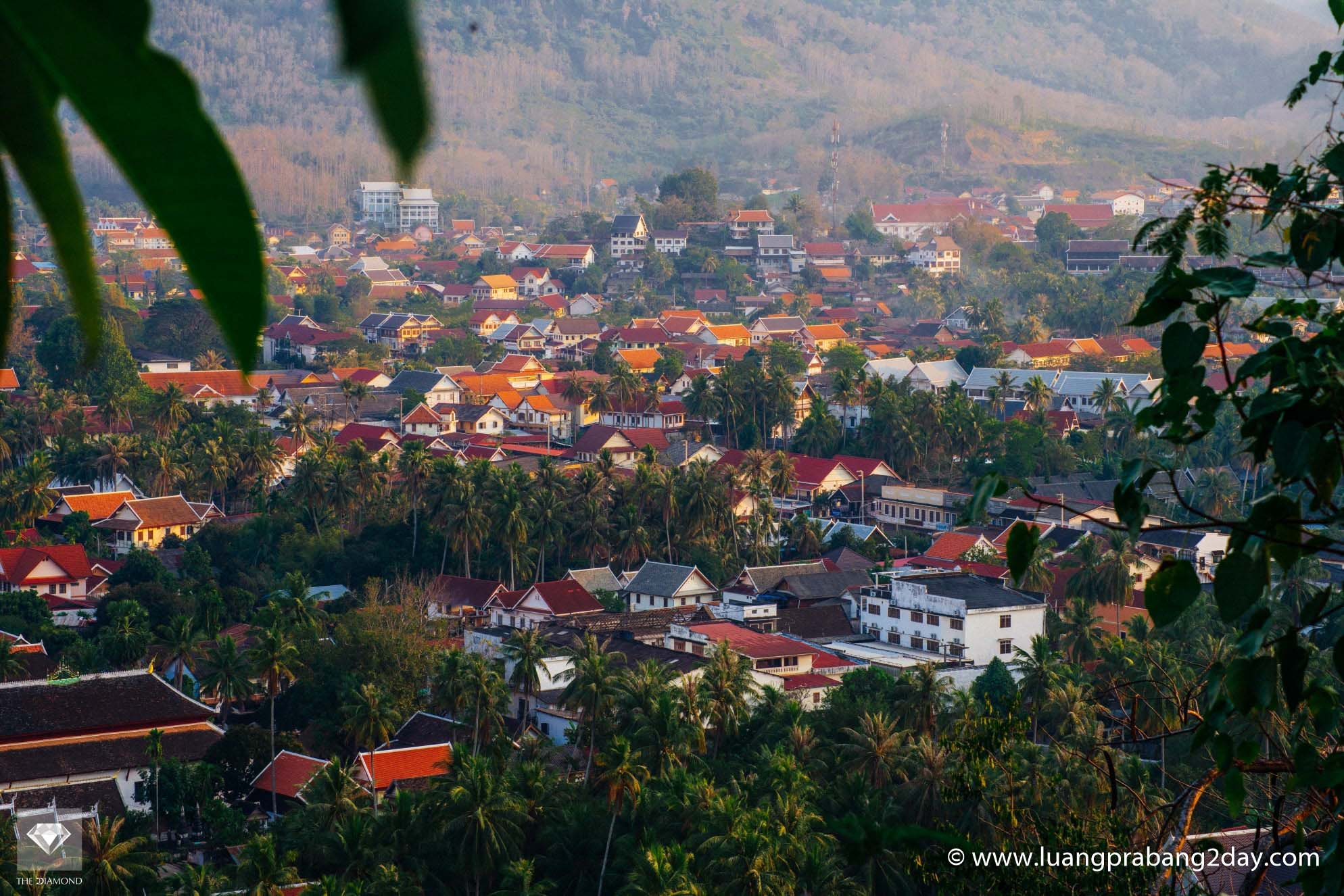
Panoramic view of Luang Prabang showing traditional urban layout, residential areas, and natural landscape, illustrating UNESCO as a governance framework rather than a heritage label.


UNESCO Is a Governance Framework, Not a Heritage Label

Understanding How Luang Prabang Is Guided, Not Branded

Luang Prabang is frequently introduced to the world through a familiar phrase: a UNESCO World Heritage city.

The phrase appears in travel writing, promotional materials, academic descriptions, and casual conversation alike. It has become shorthand for historical importance — a convenient way to communicate cultural value in a single recognizable expression.

Yet repetition has produced a quiet misunderstanding.

UNESCO, in public perception, is often treated as a label — a mark of beauty, authenticity, or international prestige applied to a place once it has proven worthy of admiration.

This perception is understandable, but incomplete.

In Luang Prabang, UNESCO functions not primarily as recognition, but as governance.

It is not a badge placed upon the city.
It is a framework that guides how the city continues to change.

Understanding this distinction fundamentally alters how Luang Prabang itself can be understood.


Recognition and Responsibility

When a city is inscribed on the World Heritage List, recognition is immediate. International awareness increases, cultural significance becomes globally acknowledged, and the city enters a shared human narrative of heritage preservation.

Responsibility, however, begins only after recognition.

UNESCO designation does not freeze a city in time. Nor does it exist merely to preserve visual beauty. Heritage status introduces a long-term commitment — one that extends beyond present needs toward future continuity.

This commitment emphasizes:

  • continuity rather than acceleration

  • coherence rather than expansion

  • stewardship rather than extraction

  • responsibility rather than celebration

The designation transforms heritage from an achievement into an obligation.

From that moment forward, the city is governed not only by contemporary priorities but also by inherited meaning and future accountability.

The past becomes an active participant in present decision-making.


Governance Without Visibility

One reason UNESCO is widely misunderstood lies in the subtlety of its operation.

Unlike conventional governance systems, UNESCO’s influence is rarely visible in everyday life. There are no daily announcements, no obvious enforcement mechanisms, and no constant reminders signaling its presence.

Yet its influence permeates decisions quietly.

It shapes how change is evaluated.
It conditions how development is discussed.
It influences how limits are negotiated.

Its presence appears in questions rather than commands:

  • How should space evolve without losing meaning?

  • Which changes maintain coherence?

  • Where must restraint replace expansion?

UNESCO does not directly manage Luang Prabang.

Instead, it establishes conditions under which management must occur.

This distinction is subtle but essential. Governance here operates through alignment rather than control.


From Label to Framework

A label describes what something is.

A framework shapes how something continues to exist.

When UNESCO is interpreted as a label, heritage becomes static — something admired from outside. When understood as a framework, heritage becomes dynamic — something continuously negotiated within lived reality.

In Luang Prabang, heritage is not confined to architecture alone. It exists within relationships between people, ritual, space, and time.

The framework therefore extends beyond buildings.

It influences:

  • spatial rhythm

  • cultural practices

  • patterns of adaptation

  • collective expectations about change

The city is preserved not by preventing transformation but by guiding it.


Constraint as Coordination

Modern development culture often interprets constraints as obstacles to progress.

Within heritage contexts, constraints serve a different function: coordination.

Constraints align diverse actors — residents, institutions, planners, visitors, and businesses — within shared limits that protect long-term coherence.

In Luang Prabang, such coordination helps ensure that:

  • development does not erase accumulated meaning

  • modernization remains compatible with historical rhythm

  • short-term efficiency does not undermine long-term stability

Constraints do not exist to slow the city unnecessarily. They exist to synchronize change with continuity.

When understood this way, limitation becomes a form of care.


Why UNESCO Is Not a Tourism Mechanism

UNESCO designation is frequently associated with tourism growth. Increased attention often follows inscription, creating the impression that the framework exists primarily to attract visitors.

This interpretation reverses cause and effect.

Visibility is a consequence, not the purpose.

The framework was created to regulate transformation, not to stimulate consumption.

When UNESCO is treated primarily as a tourism label, imbalance emerges:

Expectations expand faster than understanding.
Demand grows faster than coordination.
Activity accelerates beyond the system’s adaptive capacity.

The result is not immediate failure but structural strain.

The framework was designed for balance, not acceleration.


Living Heritage Requires Governance

Luang Prabang is often described as a living heritage city.

The phrase carries meaning only when governance exists to sustain it.

Without governance, heritage risks becoming static display. Without coordination, continuity becomes accidental rather than intentional.

Living heritage depends on systems that allow culture to reproduce itself naturally.

UNESCO provides a reference structure — a shared understanding of what must endure even as circumstances evolve.

It does not prescribe specific outcomes. Instead, it shapes the conditions within which decisions are made.

This distinction protects flexibility while maintaining coherence.


Governance as Cultural Memory

Governance frameworks function as institutional memory.

They ensure that decisions are informed not only by immediate needs but by accumulated knowledge about what has allowed the city to endure.

In heritage cities, memory is not nostalgic; it is operational.

Past experience informs present limits.
Historical patterns guide contemporary judgment.

UNESCO’s framework embeds this memory into planning processes, preventing decisions from being made in isolation from historical context.

Through governance, continuity becomes intentional rather than accidental.


A Framework That Rewards Patience

Cities guided by heritage governance rarely respond well to shortcuts.

They respond instead to patience, legitimacy, and contextual awareness.

Change succeeds when it aligns gradually with existing systems rather than attempting rapid transformation.

This principle applies equally to:

  • residents adapting daily practices

  • institutions planning development

  • creatives documenting cultural life

  • visitors engaging with the city

Those who align with the framework often experience coherence and acceptance.

Those who attempt to bypass it encounter resistance — not imposed by authority, but emerging naturally from structural incompatibility.


Understanding Before Interaction

To understand Luang Prabang through UNESCO is not to admire an emblem. It is to recognize a governing logic.

The city does not invite optimization.

It invites understanding.

Engagement begins not with action but with observation — an attentiveness to rhythm, limits, and relationships that sustain continuity.

Understanding precedes alignment.

And alignment allows participation without disruption.


Cultural Diplomacy and Shared Responsibility

UNESCO governance also introduces a form of cultural diplomacy.

Heritage cities belong simultaneously to local communities and to global humanity. Governance therefore mediates between openness and protection.

Diplomacy ensures that international engagement strengthens rather than destabilizes local systems.

It reframes visitors and observers not as consumers but as participants within a shared responsibility.

Through this lens, preservation becomes collaborative rather than restrictive.

The framework does not close the city to the world. It teaches the world how to approach the city respectfully.


Closing Perspective

UNESCO, in Luang Prabang, is not an emblem of prestige.

It is not a marketing device.

It is not a static preservation mechanism.

It is a governance framework — one that allows the city to remain itself while continuing to exist within the present.

Those who understand this do not move faster here.

They move more carefully.

And in Luang Prabang, care is not limitation.

It is respect expressed through continuity.


LuangPrabang2Day
Understanding before action.
Context before decision.


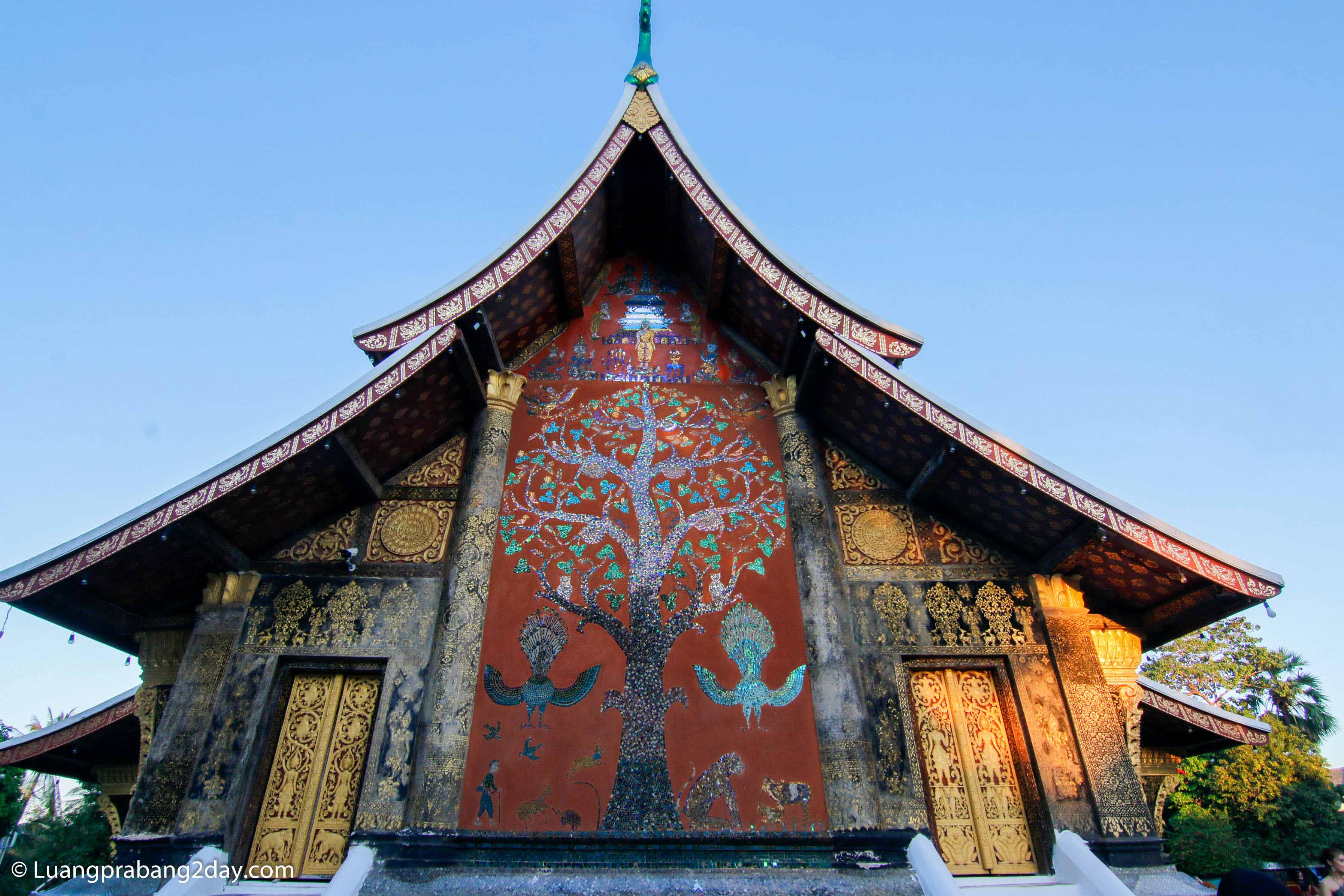
Preserved temple facade in Luang Prabang, illustrating cultural preservation as a visible outcome shaped by long-standing governance and tradition.

Preservation Is an Outcome, Not a System

Understanding Continuity in Living Heritage Cities

Luang Prabang is often described as a preserved city.

Protected. Recognized. Carefully maintained.

The phrase appears frequently in travel writing, heritage discussions, and international descriptions. It suggests stability — a place successfully safeguarded against the pressures of modern change.

Yet the word preserved can quietly mislead.

When preservation is treated as a goal in itself rather than the result of deeper alignment, understanding becomes superficial. The visible condition of a city begins to overshadow the invisible systems that allow continuity to exist in the first place.

In living heritage cities, preservation is not an operating mechanism.

It is an outcome.

This distinction matters because long-term stability depends less on protection alone and more on rhythm, governance, and collective restraint — forces that rarely attract attention yet determine whether continuity can truly endure.


A Common Misunderstanding

Conversations about heritage protection often rest upon three assumptions:

  • Legal designation ensures preservation.

  • Physical conservation guarantees continuity.

  • International recognition secures long-term stability.

Each assumption contains partial truth. Legal frameworks provide structure. Conservation protects material heritage. Recognition encourages awareness and care.

But none of these elements alone sustain a living city.

A heritage city may appear carefully preserved while its internal coherence gradually weakens. Streets remain intact, architecture remains authentic, and visual harmony persists — yet the social rhythms and decision-making practices that once gave meaning to those structures begin to shift.

The city continues to look preserved even as continuity becomes more difficult to sustain.

This paradox explains why preservation must be understood differently.


What Preservation Actually Represents

Preservation is not a system that operates independently.

It does not make decisions.
It does not negotiate change.
It does not regulate daily life.

Preservation is the visible evidence that multiple systems remain in balance.

When governance recognizes limits, when cultural institutions structure time, when social practices reinforce continuity, and when infrastructure supports rather than overrides local rhythm — preservation emerges naturally.

It appears not because it is enforced constantly, but because alignment exists across many layers of urban life.

In this sense, preservation resembles health more than protection. Health is not maintained by a single action but by the coordination of many processes working together.

Likewise, preservation reflects systemic harmony rather than isolated intervention.


Protection and Continuity Are Not the Same

Protection focuses on safeguarding form.

Continuity sustains meaning.

A building may be protected legally while losing its social function. A historic district may remain visually intact even as daily practices disconnect from inherited rhythms.

Protection freezes elements in place. Continuity allows them to remain alive.

Continuity depends on temporal organization — when to gather, when to pause, when to slow activity, and when restraint becomes more important than efficiency.

Luang Prabang’s resilience historically emerged not from freezing time but from structuring it.

Ritual calendars shaped movement. Seasonal cycles moderated activity. Collective understanding guided behavior without constant instruction.

Time itself became infrastructure.


When Appearance and Internal Stability Diverge

In some heritage cities, visible preservation advances while internal coherence becomes increasingly fragile.

This divergence often occurs gradually:

Cultural practices adapt primarily for visibility.
Rituals shift toward predictable scheduling.
Infrastructure expands according to efficiency rather than rhythm.
Decision-making prioritizes measurable outcomes over experiential continuity.

None of these changes appear destructive individually. Each may even seem beneficial.

Yet together they alter how meaning circulates within the city.

Heritage survives not only through objects but through relationships. When relationships weaken, preservation becomes more difficult to sustain despite increasing effort.

The city becomes stable in appearance but uncertain in function.


The Role of Governance in Living Heritage Cities

Long-term continuity depends less on aesthetic control than on decision-making culture.

Governance in living heritage contexts involves attentiveness rather than domination. It requires recognizing limits, allowing pauses, and understanding when inaction preserves more than intervention.

Effective governance asks:

  • What change strengthens continuity?

  • What change accelerates disruption?

  • When is restraint more sustainable than action?

Such governance rarely attracts attention because its success appears as normalcy. When systems function smoothly, intervention becomes unnecessary.

Governance therefore operates quietly — shaping conditions rather than outcomes.

Preservation follows as consequence.


Luang Prabang as a Living System

Luang Prabang functions not as a static artifact but as a living system composed of interdependent rhythms.

Its continuity is supported by:

  • ritual calendars regulating social pace

  • temples acting as cultural anchors

  • periodic pauses interrupting acceleration

  • shared expectations about appropriate behavior

These elements operate primarily through practice rather than policy.

Residents inherit understanding through participation. Meaning is transmitted through repetition rather than instruction.

The city sustains itself because its internal logic remains legible to those who live within it.

When legibility persists, preservation appears effortless.


Recognition and Its Limits

International recognition plays an important role in heritage protection. It raises awareness, attracts resources, and encourages collective responsibility.

Yet recognition cannot replace internal systems.

Increased attention introduces new pressures alongside benefits. Without structures capable of absorbing attention thoughtfully, recognition risks accelerating change faster than local rhythms can accommodate.

Recognition supports preservation only when governance translates visibility into aligned decision-making.

Otherwise, preservation becomes reactive rather than intentional.


A More Useful Question

Heritage discussions often ask:

“How can this city be preserved?”

A more sustainable question is:

“What allows this city to continue being itself over time?”

The shift appears subtle but transforms perspective.

Preservation becomes secondary — evidence that underlying systems remain functional.

Attention moves from protecting objects toward understanding processes.

When processes remain coherent, preservation follows naturally.


Preservation as Evidence of Alignment

Preservation becomes visible when alignment exists between multiple dimensions of urban life:

  • time and ritual

  • change and continuity

  • access and meaning

  • care and restraint

Alignment does not eliminate change. It ensures change remains comprehensible within inherited structures.

When alignment weakens, preservation becomes increasingly difficult even under strong protective measures.

Effort increases while outcomes become uncertain.

The challenge is not insufficient protection but insufficient coordination.


Cultural Diplomacy and Collective Responsibility

Living heritage cities exist within shared global responsibility. Cultural diplomacy offers a framework for balancing openness with continuity.

Diplomacy reframes preservation as relationship rather than restriction. It encourages engagement grounded in attentiveness and respect for context.

Visitors, institutions, and residents participate within a shared system rather than occupying separate roles.

Preservation becomes collaborative stewardship.

The goal is not isolation from the world but interaction that strengthens coherence rather than disrupting it.


The Quiet Nature of Endurance

Cities rarely endure through dramatic intervention.

They endure through subtle regulation — countless small decisions aligned with inherited understanding.

Endurance emerges when people recognize limits without needing constant enforcement.

When behavior aligns naturally with context, preservation requires less effort.

The city remains alive because its systems continue to function organically.


Closing Reflection

Cities do not endure simply because they are protected.

They endure because they regulate themselves thoughtfully across time.

Preservation is not the mechanism that sustains a living heritage city.

It is the indication that the system continues to function.

When alignment exists, preservation appears almost inevitable.

When alignment weakens, preservation becomes increasingly difficult despite growing effort.

Understanding this distinction transforms how heritage is approached — shifting focus from protecting appearances toward sustaining continuity.

In Luang Prabang, preservation is not the starting point.

It is the visible sign that the city still understands itself.


LuangPrabang2Day
Understanding cities before changing them.


A panoramic view of Luang Prabang’s historic townscape, reflecting how global recognition highlights appearance without guaranteeing long-term urban stability.


Why Global Recognition Does Not Guarantee a City’s Long-Term Stability

Visibility and the Limits of External Validation

Global recognition is often treated as a milestone.

A city receives international attention.
Its name circulates across media platforms.
Images travel quickly across borders.
Visitor numbers increase.
External validation arrives.

From the outside, it looks like success — clear, measurable, and widely celebrated.

From the inside, however, stability has not yet been secured.

This is where a common assumption begins to fail.

Recognition changes how a city is seen.
It does not automatically strengthen how a city functions.

Understanding this distinction is essential for living heritage cities whose survival depends less on admiration than on continuity.


The Assumption Behind Global Recognition

Global recognition is frequently interpreted as proof.

Proof that a city is culturally valuable.
Proof that it is adequately protected.
Proof that its future is secure.

Recognition appears to confirm permanence.

Yet recognition is not a system.

It is an outcome — the result of qualities that existed before attention arrived.

Recognition reflects what the world perceives.
Stability depends on what continues to operate internally.

A city can be widely admired while its internal mechanisms quietly weaken.

The contradiction remains invisible because recognition amplifies appearance rather than examining structure.


Visibility Is Not the Same as Stability

Recognition increases visibility.

Stability depends on alignment.

Visibility operates primarily at the surface level:

  • images circulating globally

  • narratives simplifying complexity

  • symbolic value representing identity

  • reputation shaping expectation

Stability operates at the system level:

  • daily routines that organize life

  • local participation sustaining meaning

  • spatial usage shaped by habit

  • continuity of behavior across generations

These two dimensions evolve at different speeds.

Visibility can expand rapidly. Stability changes slowly.

When visibility grows faster than alignment, pressure accumulates beneath the surface.

Nothing collapses immediately. Streets remain recognizable. Cultural markers remain intact.

The imbalance persists quietly, often unnoticed until adjustment becomes difficult.


What Recognition Protects — and What It Does Not

Global recognition provides important benefits. It encourages care, attracts resources, and elevates awareness of cultural value.

Yet recognition protects selectively.

It often safeguards:

  • architectural appearance

  • designated heritage zones

  • symbolic identity

  • international reputation

It rarely protects:

  • everyday social practices

  • informal cultural coordination

  • local rhythms of time and behavior

  • decision-making logic embedded within communities

These internal elements resist measurement. They do not translate easily into global narratives or visual representation.

Because they are difficult to quantify, they are often left unmanaged — not intentionally neglected, but structurally overlooked.

Over time, the gap between protected appearance and unprotected function widens.


The Stability Gap

The stability gap emerges when external expectations expand faster than internal systems can adapt.

Recognition increases demand.
Demand introduces pressure.
Pressure requires coordination.

Without sufficient alignment, adaptation begins responding to perception rather than necessity.

The city gradually adjusts to its image.

Behavior shifts subtly to satisfy expectations.
Spaces become defined by observation rather than use.
Functionality bends toward presentation.

This transformation rarely produces immediate conflict. Residents adapt quietly. Adjustments occur incrementally.

The city continues to appear successful even as coherence becomes harder to sustain.

Loss arrives gradually — not as disappearance, but as disconnection.


Recognition as Acceleration

Recognition accelerates processes already underway.

Economic opportunity expands.
Mobility increases.
External interest multiplies.

Acceleration itself is not inherently harmful. Cities have always evolved through exchange and interaction.

The challenge arises when acceleration exceeds the absorptive capacity of local systems.

Heritage cities were rarely designed for rapid transformation. Their stability depends on rhythm rather than speed — on gradual adaptation shaped by collective understanding.

Acceleration without alignment produces strain.

Systems optimized for continuity must suddenly respond to forces optimized for expansion.

The mismatch becomes structural.


Why Long-Term Stability Depends on Internal Alignment

Stability emerges when multiple dimensions of urban life remain aligned:

  • space corresponds with usage

  • form supports function

  • rhythm moderates change

  • adaptation respects inherited patterns

Alignment allows change without rupture.

Cities that endure do not resist transformation entirely; they integrate change in ways that remain legible to those who inhabit them.

Cities that struggle attempt to preserve outcomes — architectural beauty, reputation, or symbolic identity — without maintaining the systems that originally produced them.

Recognition accelerates change.

Alignment absorbs it.

Without alignment, acceleration transforms into pressure.


The Invisible Work of Stability

Long-term stability relies on forms of coordination that rarely attract attention:

shared expectations about behavior,
informal negotiation between residents,
collective restraint in moments of opportunity,
decision-making shaped by memory rather than urgency.

These mechanisms function quietly.

They do not appear in promotional narratives or visitor experiences. Yet they determine whether a city can remain coherent as conditions evolve.

When recognition increases, these invisible systems must work harder.

If they are not supported intentionally, stability gradually weakens despite continued admiration.


Recognition as Responsibility

For decision-makers, global recognition should not signal completion.

It signals responsibility.

The moment a city becomes globally visible is precisely when its internal systems require greater attentiveness.

Recognition introduces complexity:

more stakeholders,
more expectations,
more competing interests.

Governance must therefore shift from preservation of appearance toward stewardship of systems.

Stability is maintained not by protecting what is seen but by understanding what allows the city to function when no one is watching.


From Admiration to Judgment

Recognition invites admiration.

Stability requires judgment.

Admiration observes beauty.
Judgment evaluates consequence.

Heritage cities must continually assess which changes strengthen continuity and which undermine it subtly.

This evaluation demands patience and cultural literacy rather than rapid optimization.

Cities do not fail because they are recognized.

They fail when recognition replaces understanding.

The difference appears small at first — a shift in emphasis rather than intention.

Over time, however, consequences become structural.


Cultural Diplomacy and Shared Awareness

Global recognition places heritage cities within an international conversation.

Cultural diplomacy becomes essential in mediating this relationship.

Diplomacy reframes recognition as shared responsibility rather than ownership by external perception.

Visitors, institutions, and residents participate within a system that values attentiveness over consumption.

Recognition then becomes an invitation to understanding rather than a demand for performance.

Through diplomacy, visibility strengthens continuity instead of destabilizing it.


A Different Measure of Success

Modern metrics measure success through scale:

numbers of visitors,
media exposure,
global reach.

For heritage cities, success must be measured differently.

The essential question is not:

“How widely is the city admired?”

But:

“Can the city continue to function coherently after admiration arrives?”

Endurance, not visibility, becomes the true indicator of stability.

A stable city remains recognizable to itself.


Closing Reflection

Global recognition changes how a city is perceived.

It does not guarantee how the city will endure.

Recognition is an outcome of value already present. Stability depends on systems capable of sustaining that value over time.

When recognition aligns with internal coherence, heritage strengthens.

When recognition outpaces understanding, strain emerges quietly.

The difference lies not in attention itself, but in how attention is absorbed.

Cities endure when admiration is balanced by governance, and visibility is guided by understanding.


LuangPrabang2Day
Authority before action.
Understanding before decision.
Subscribe to: Comments ( Atom )

MENU

  • Home
  • Editorial Framework
  • MEDIA CHARTER
  • Cultural Governance
  • Ritual Infrastructure
  • Professional Standards
  • Stewardship
  • About
  • Pages

    • EDITORIAL FRAMEWORK
    • MEDIA CHARTER
    • CULTURAL GOVERNANCE
    • RITUAL INFRASTRUCTURE
    • PROFESSIONAL STANDARDS
    • STEWARDSHIP
    • ABOUT

    Legacy Archive (Since 2007)

    LuangPrabang2day began as an online community in 2007. Our early discussion archive is preserved in our legacy forum: LuangPrabang2day ActiveBoard Archive .

    Established online since 2007 • Legacy Archive

    History: LuangPrabang2day has documented Luang Prabang online since 2007. View the early archive on our legacy forum .

    External References

    • UNESCO World Heritage Centre – World Heritage Convention
    • ICOMOS – International Council on Monuments and Sites
    • UNESCO – Culture and Heritage
    • Tourism Laos – National Level
    • Lao E-Visa – Official Government Site
    • Vientiane Times – National News and Context
    • LuangPrabang2Day.com – Independent cultural documentation and editorial observation

    © Luang Prabang 2Day – Heritage, Culture & System Insight

    Powered by Blogger.

    Report Abuse

    Search This Blog

    Popular Posts

    • Lao New Year Documentary Collection — Set 3 The Hae Vor parade (ຂະບວນແຫ່ວໍ່) — Nang Sangkane 2026
    • Lao New Year Documentary Collection — Set 2 The Buddha Water Blessing Ceremony (ພິທີສົງນໍ້າພະ)
    • The Hae Vor Parade Lao New Year in Luang Prabang 2026
    • Lao New Year Documentary Collection — Set 1 Traditional Market Fair
    © 2007–2026 LuangPrabang2Day.com , An independent cultural platform based in Luang Prabang, Lao PDR — documenting living heritage through long-term observation and cultural diplomacy. Luang Prabang Today.–––– About the Platform • Editorial Principles • Privacy Policy • Observation Archive About • Editorial Policy • Contact • Terms and Conditions • Disclaimer
    Designed by OddThemes