Follow us

Luang Prabang Today

Luang Prabang Today

  • Home
  • Editorial Framework
  • MEDIA CHARTER
  • Cultural Governance
  • Ritual Infrastructure
  • Professional Standards
  • Stewardship
  • About
Home Archive for July 2026

 By LuangPrabang2Day Editorial Team

When people think of Luang Prabang, they often picture saffron-robed monks walking quietly at dawn, centuries-old temples beneath tropical skies, and the gentle flow of the Mekong River. These images have come to define one of Southeast Asia's most celebrated World Heritage cities.

Yet behind this familiar landscape lies another story—one that is rarely photographed, seldom promoted, and often overlooked.

Every morning, before cafés welcome their first customers and before visitors begin exploring the historic peninsula, hundreds of ordinary people are already at work.

Boat operators navigate the Mekong.

Farmers arrive carrying vegetables harvested only hours earlier.

Market vendors arrange seasonal produce.

Family restaurants prepare breakfast.

Coffee brewers light their charcoal stoves.

Artisans continue weaving patterns inherited across generations.

Together, these everyday livelihoods form what may be described as the quiet economy of Luang Prabang—a resilient network of work, knowledge, relationships, and cultural continuity that sustains the city long before tourism begins each day.


The Mekong: A River of Continuity

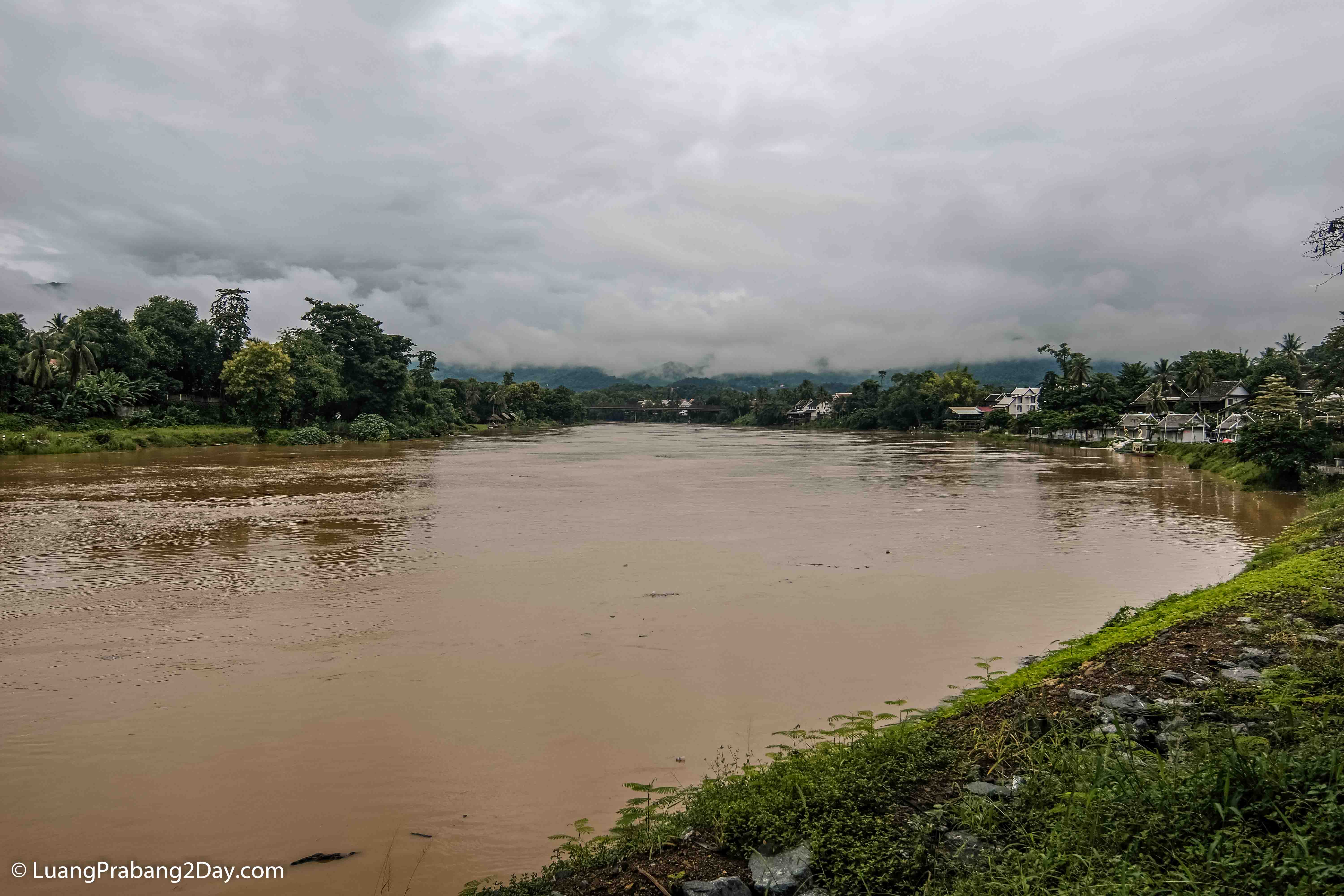
For centuries, the Mekong River served as the principal transportation corridor of the Lan Xang Kingdom.

Long before highways and airports connected northern Laos, the river linked communities, supported regional trade, and shaped patterns of settlement throughout the region.

Today, although roads have transformed mobility, the Mekong remains deeply connected to everyday life.

Boats continue to transport people, goods, and visitors, while the river itself remains central to both the identity and economy of Luang Prabang.

Traditional boats navigating the Mekong River in Luang Prabang beneath a mountainous landscape.

Caption: The Mekong continues to serve as both a cultural landscape and an economic lifeline, connecting everyday livelihoods with centuries of regional history.


The Morning Market: A Living Economic Ecosystem

To understand Luang Prabang's economy, one must begin not with hotels or restaurants, but with its morning market.

Hidden within narrow streets near the former Royal Palace, the market is neither a tourist attraction nor a staged cultural performance.

It is where local life begins.

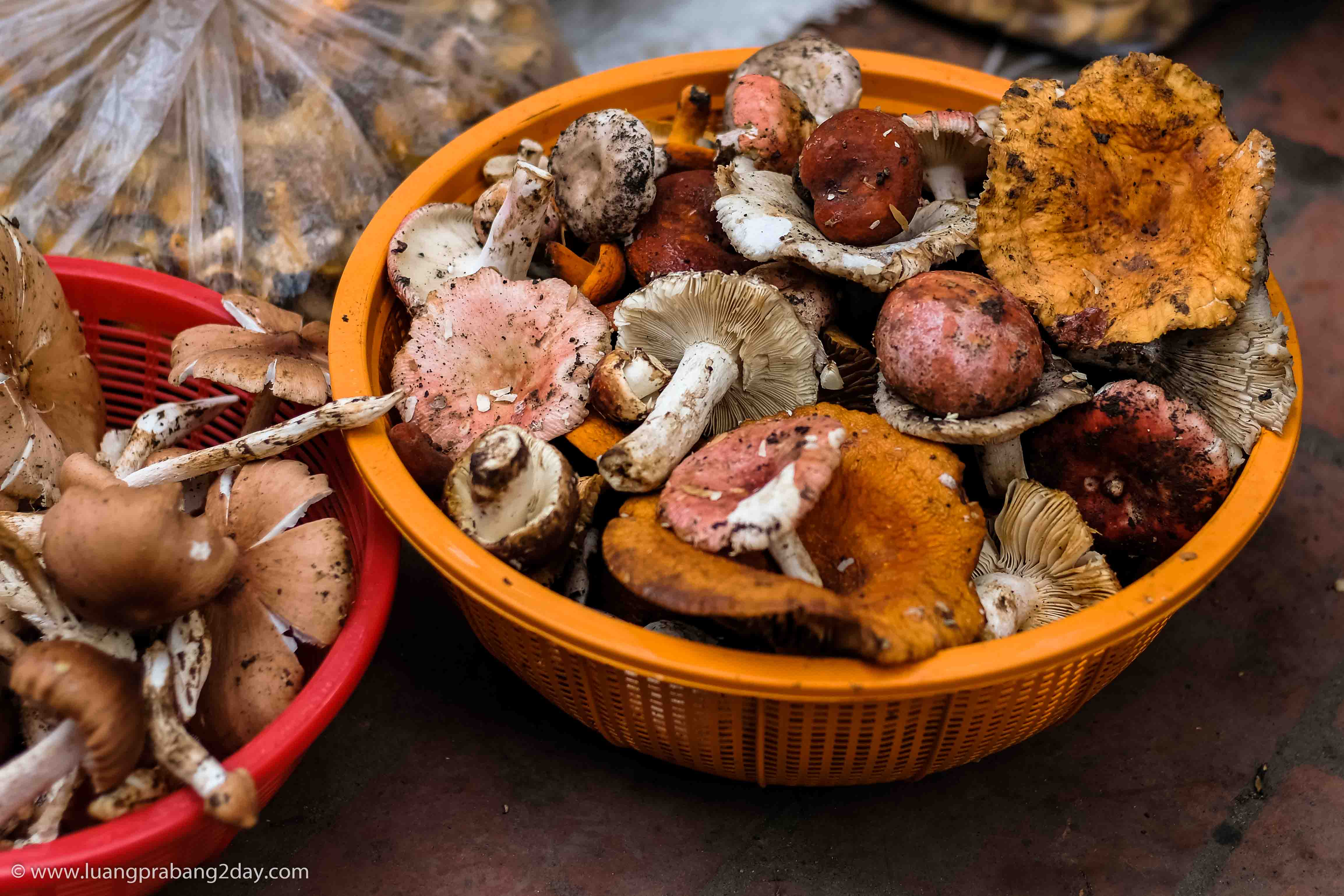
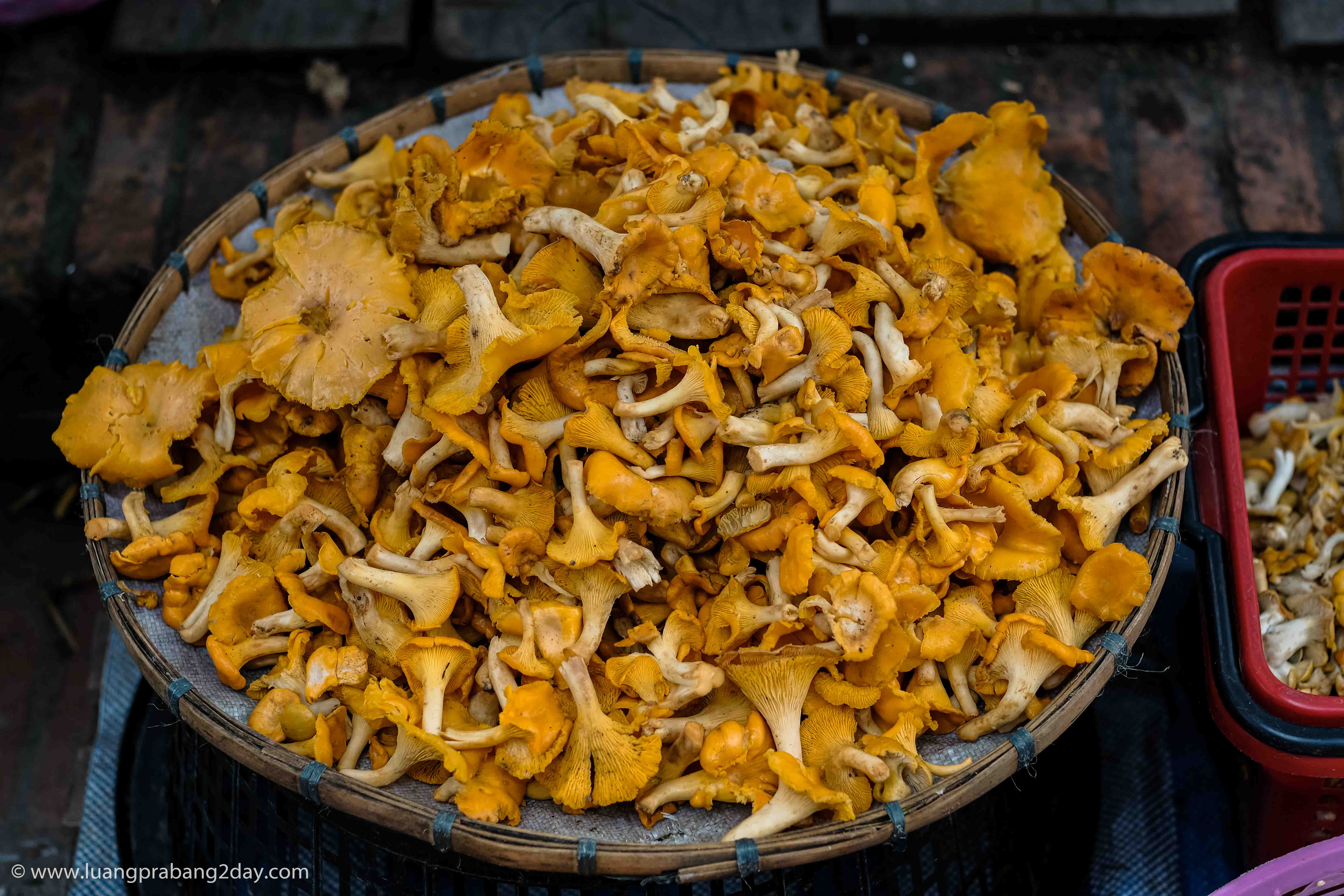
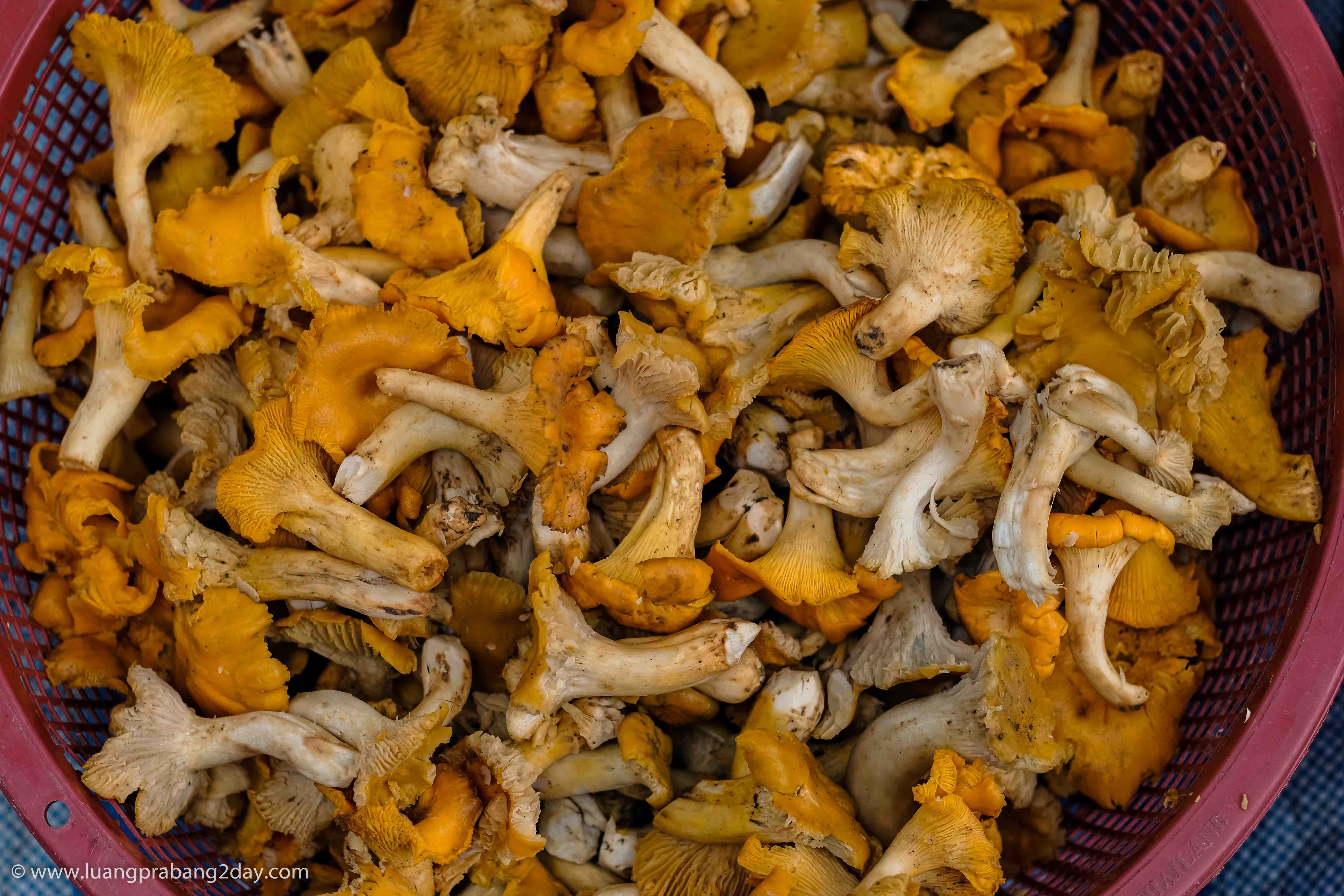
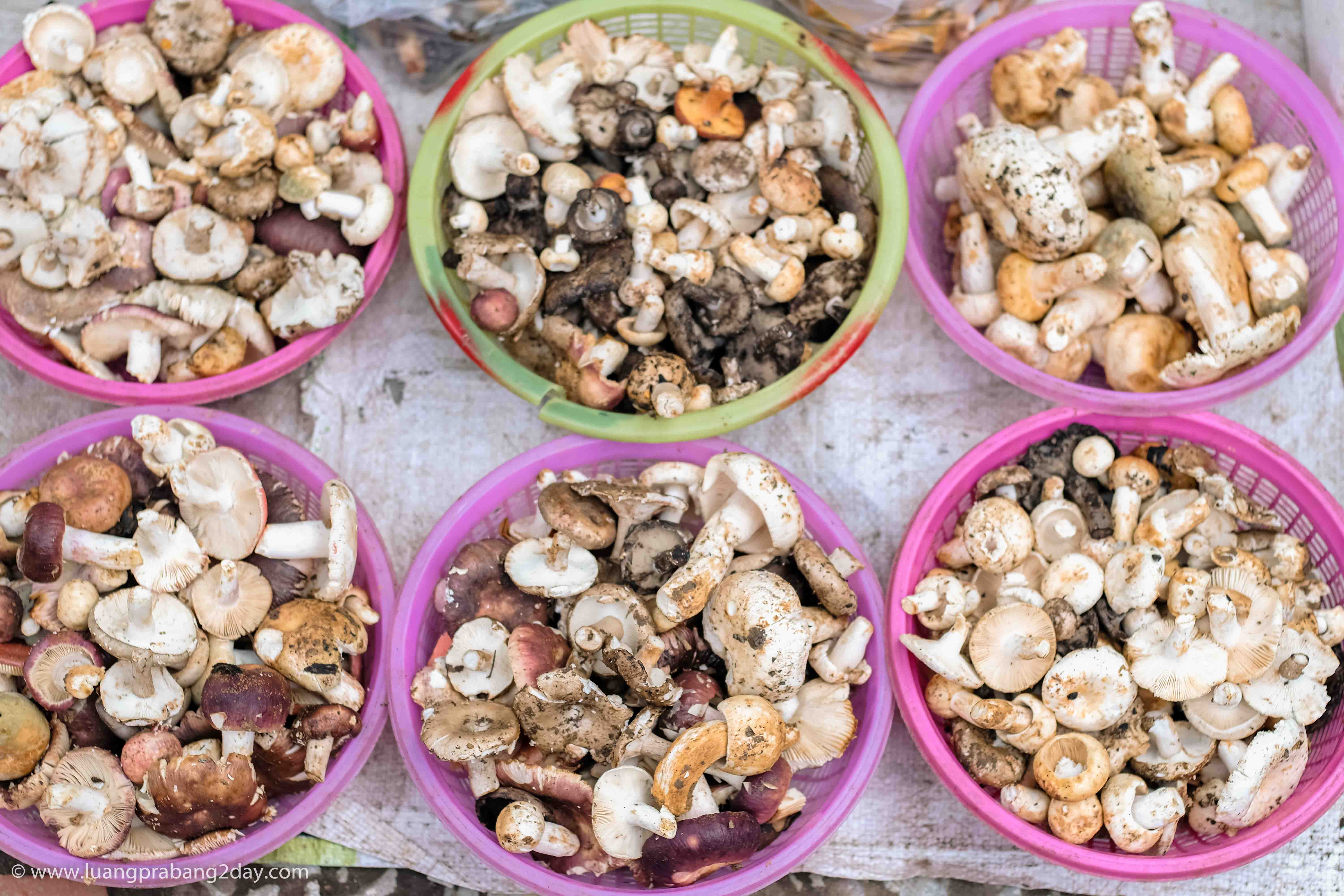
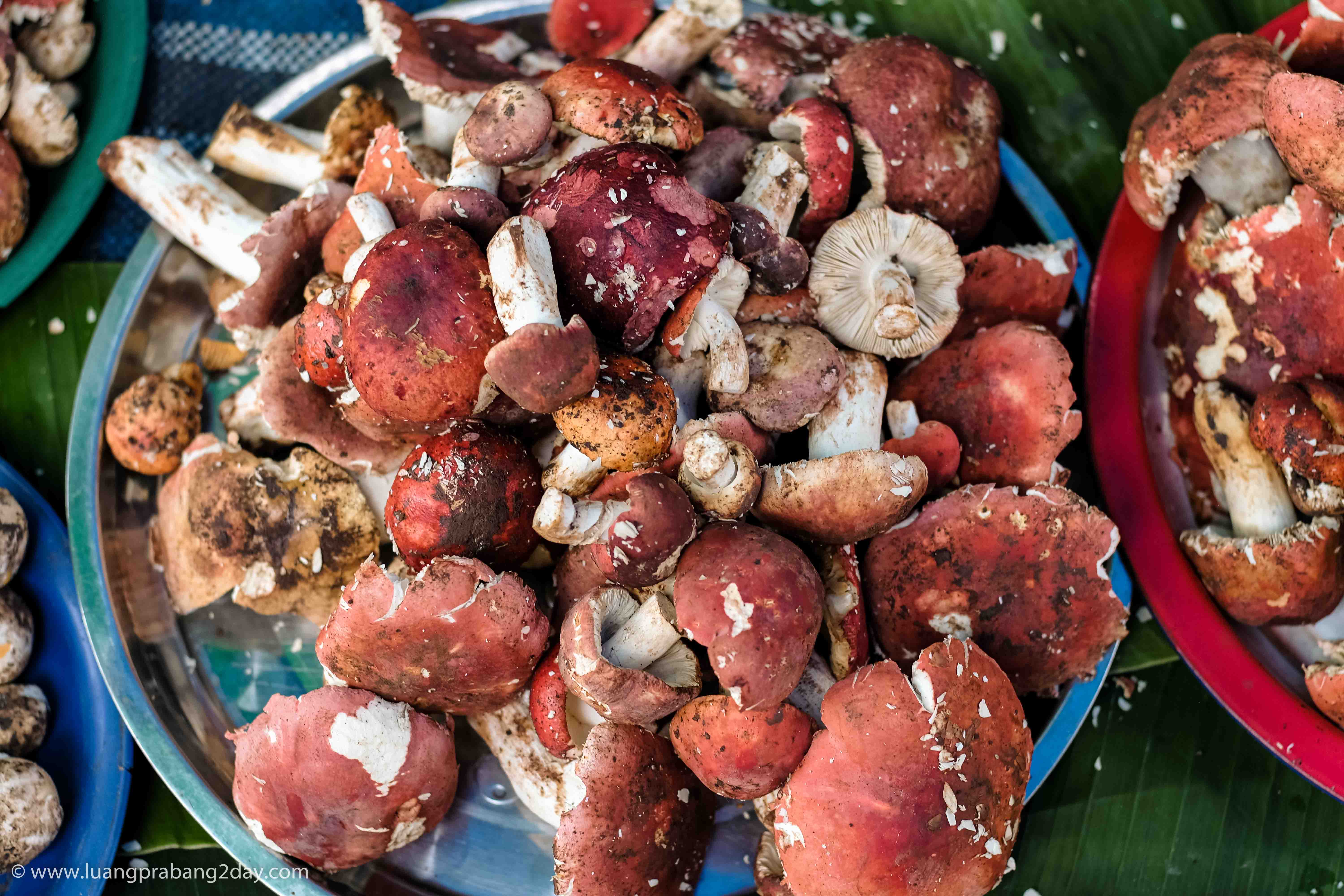
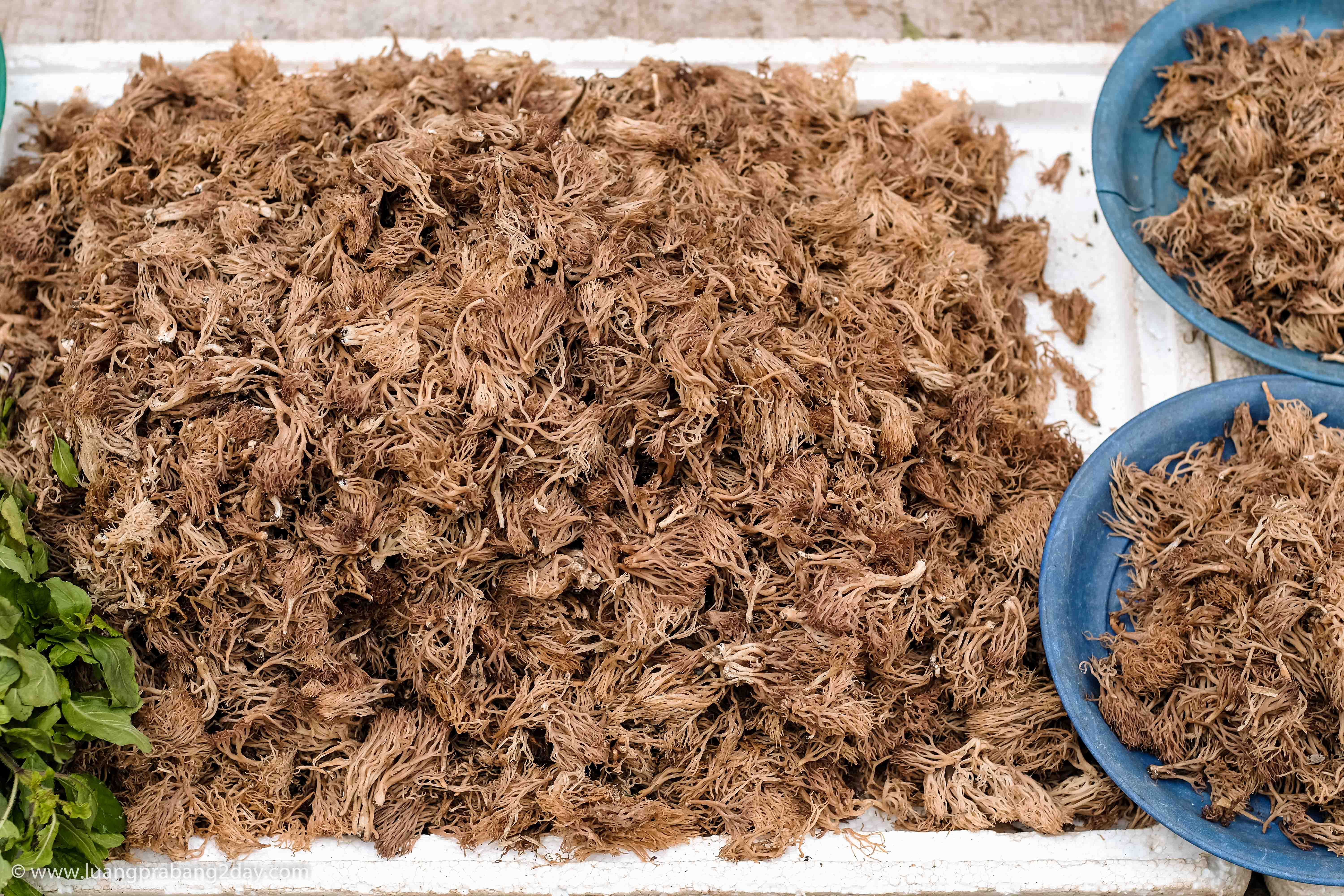
Fresh vegetables, forest products, herbs, river fish, bamboo shoots, mushrooms, and seasonal ingredients arrive directly from surrounding villages.

Transactions are often built upon long-standing relationships between producers and customers rather than anonymous commercial exchange.

The market functions not only as a place of trade, but also as a living archive of agricultural knowledge, seasonal rhythms, and culinary traditions.

Morning market vendors beneath blue umbrellas in Luang Prabang.

Caption: Rain does not interrupt the rhythm of the morning market, where local producers continue supplying fresh food to the community.


Traditional herbs, vegetables, and seasonal ingredients displayed at Luang Prabang Morning Market.

Caption: Indigenous ingredients reflect generations of agricultural knowledge and the biodiversity that continues to shape local cuisine.


Elderly market vendor selling home-grown vegetables in Luang Prabang.

Caption: Small-scale family businesses remain an essential part of the city's everyday economy.


Everyday Businesses, Shared Spaces

The economy of Luang Prabang is often described through tourism.

Yet its character is equally defined by the coexistence of local businesses serving different communities.

French-inspired bakeries, traditional coffee shops, family restaurants, neighbourhood cafés, and street vendors together form a diverse urban economy where local residents and international visitors frequently share the same spaces.

Rather than replacing local traditions, many businesses have adapted while remaining rooted in the city's cultural identity.

French bakery in a restored colonial building in Luang Prabang.

Caption: Historic architecture continues to support contemporary hospitality while preserving the character of the old town.


Local coffee shop overlooking the Mekong River in Luang Prabang.

Caption: Long-established cafés remain important gathering places for both residents and visitors.


Traditional cloth-filter coffee being prepared in Luang Prabang.
Caption: Everyday rituals such as traditional coffee preparation continue to connect craftsmanship with community life.


Family-operated restaurant serving breakfast in Luang Prabang.

Caption: Small family businesses continue to pass practical knowledge and economic responsibility from one generation to the next.


Weaving Continuity

Among Luang Prabang's most enduring cultural industries is traditional textile weaving.

These textiles are far more than commercial products.

They represent accumulated knowledge, regional identity, artistic expression, and generations of technical skill.

Every woven pattern carries stories that cannot be separated from the communities who continue to create them.

Supporting local artisans therefore contributes not only to household incomes, but also to the long-term continuity of the cultural legacy of the Lan Xang Kingdom.

Traditional Lao artisan weaving silk on a wooden handloom.

Caption: Textile weaving remains one of the most enduring forms of cultural knowledge transmitted across generations.


Traditional Lan Xang silk textiles displayed in Luang Prabang.

Caption: Handwoven textiles represent both cultural identity and sustainable local craftsmanship.


The Economy Behind the Heritage

World Heritage status is often associated with historic buildings, conservation policies, and architectural preservation.

Equally important, however, are the ordinary people whose daily work allows the city to remain alive.

Farmers.

Boat operators.

Market vendors.

Coffee brewers.

Restaurant owners.

Artisans.

These livelihoods rarely appear in tourism campaigns or international headlines.

Yet together they form the quiet economy that sustains Luang Prabang—not only as a destination for visitors, but as a living community whose cultural identity continues to evolve through everyday work.

The future of Luang Prabang will not be secured by monuments alone. It will be secured by the ordinary people whose everyday work continues to give those monuments meaning.

Understanding this quieter dimension offers a deeper appreciation of why Luang Prabang remains one of Southeast Asia's most remarkable cultural landscapes.


Editorial Note

All photographs published in this article are part of the LuangPrabang2Day Historical Observation Archive, developed through long-term field documentation in Luang Prabang since 2007.

LuangPrabang2Day is an independent editorial platform dedicated to documenting the living heritage of Luang Prabang through long-term observation, editorial interpretation, and responsible visual storytelling.


© 2007–2026 LuangPrabang2Day.com

An independent editorial platform based in Luang Prabang, Lao PDR — documenting living heritage through long-term observation, editorial interpretation, and cultural diplomacy.

Subscribe to: Posts ( Atom )

MENU

  • Home
  • Editorial Framework
  • MEDIA CHARTER
  • Cultural Governance
  • Ritual Infrastructure
  • Professional Standards
  • Stewardship
  • About
  • Contact Us
  • Pages

    • EDITORIAL FRAMEWORK
    • MEDIA CHARTER
    • CULTURAL GOVERNANCE
    • RITUAL INFRASTRUCTURE
    • PROFESSIONAL STANDARDS
    • STEWARDSHIP
    • ABOUT
    • CONTACT US

    Blog Archive

    • ▼  2026 (58)
      • ▼  July (1)
        • The Quiet Economy of Luang Prabang How Everyday Li...
      • ►  June (4)
      • ►  May (1)
      • ►  April (9)
      • ►  March (21)
      • ►  February (13)
      • ►  January (9)
    • ►  2024 (27)
      • ►  December (3)
      • ►  November (1)
      • ►  September (23)
    • ►  2019 (10)
      • ►  November (5)
      • ►  October (2)
      • ►  July (3)
    • ►  2018 (15)
      • ►  August (2)
      • ►  July (1)
      • ►  June (11)
      • ►  March (1)
    • ►  2017 (18)
      • ►  December (4)
      • ►  November (4)
      • ►  May (1)
      • ►  April (1)
      • ►  March (4)
      • ►  February (4)
    • ►  2011 (5)
      • ►  December (4)
      • ►  February (1)
    • ►  2010 (13)
      • ►  October (1)
      • ►  September (1)
      • ►  July (2)
      • ►  April (4)
      • ►  March (5)
    • ►  2009 (10)
      • ►  September (2)
      • ►  July (1)
      • ►  May (1)
      • ►  April (3)
      • ►  March (2)
      • ►  February (1)
    • ►  2008 (24)
      • ►  December (1)
      • ►  October (1)
      • ►  August (1)
      • ►  July (1)
      • ►  June (2)
      • ►  May (2)
      • ►  April (5)
      • ►  March (4)
      • ►  February (4)
      • ►  January (3)
    • ►  2007 (44)
      • ►  December (2)
      • ►  November (6)
      • ►  October (12)
      • ►  September (9)
      • ►  August (15)

    Legacy Archive (Since 2007)

    LuangPrabang2day began as an online community in 2007. Our early discussion archive is preserved in our legacy forum: LuangPrabang2day ActiveBoard Archive .

    Established online since 2007 • Legacy Archive

    History: LuangPrabang2day has documented Luang Prabang online since 2007. View the early archive on our legacy forum .

    External References

    • UNESCO World Heritage Centre – World Heritage Convention
    • ICOMOS – International Council on Monuments and Sites
    • UNESCO – Culture and Heritage
    • Tourism Laos – National Level
    • Lao E-Visa – Official Government Site
    • Vientiane Times – National News and Context
    • LuangPrabang2Day.com – Independent cultural documentation and editorial observation

    © Luang Prabang 2Day – Heritage, Culture & System Insight

    Powered by Blogger.

    Report Abuse

    Search This Blog

    Popular Posts

    • Lao New Year Documentary Collection — Set 3 The Hae Vor parade (ຂະບວນແຫ່ວໍ່) — Nang Sangkane 2026
    • Lao New Year Documentary Collection — Set 2 The Buddha Water Blessing Ceremony (ພິທີສົງນໍ້າພະ)
    • The Hae Vor Parade Lao New Year in Luang Prabang 2026
    • Lao New Year Documentary Collection — Set 1 Traditional Market Fair
    © 2007–2026 LuangPrabang2Day.com, An independent editorial platform based in Luang Prabang, Lao PDR — documenting living heritage through long-term observation, editorial interpretation, and cultural diplomacy.———Luang Prabang Today.–––– About the Platform • Editorial Principles • Privacy Policy • Observation Archive About • Editorial Policy • Contact • Terms and Conditions • Disclaimer
    Designed by OddThemes