
Living Heritage · Lao Culture · UNESCO World Heritage
There are cities that impress through scale.
There are cities that attract attention through constant movement.
And then there are cities that reveal themselves through rhythm.
Luang Prabang belongs to the latter.
Before sunrise reaches the Mekong River, before cafés open their doors, and before the first visitors begin their day, the city is already awake in ways that are easy to overlook. Temple courtyards are being swept. Incense is prepared. Monks begin their morning routines within centuries-old monasteries. Market vendors arrange fresh produce gathered from nearby villages and river communities.
Nothing appears hurried.
Yet everything has its place.
Located in northern Laos at the confluence of the Mekong and Nam Khan rivers, Luang Prabang is internationally recognized as a UNESCO World Heritage city. Its historic temples, traditional Lao architecture, and colonial-era streets have long attracted visitors from around the world. Yet the city's greatest strength lies beyond its monuments. It exists in the continuity of everyday life.
To understand Luang Prabang is not simply to admire its buildings.
It is to observe how the city breathes.
Morning Rituals and Shared Continuity
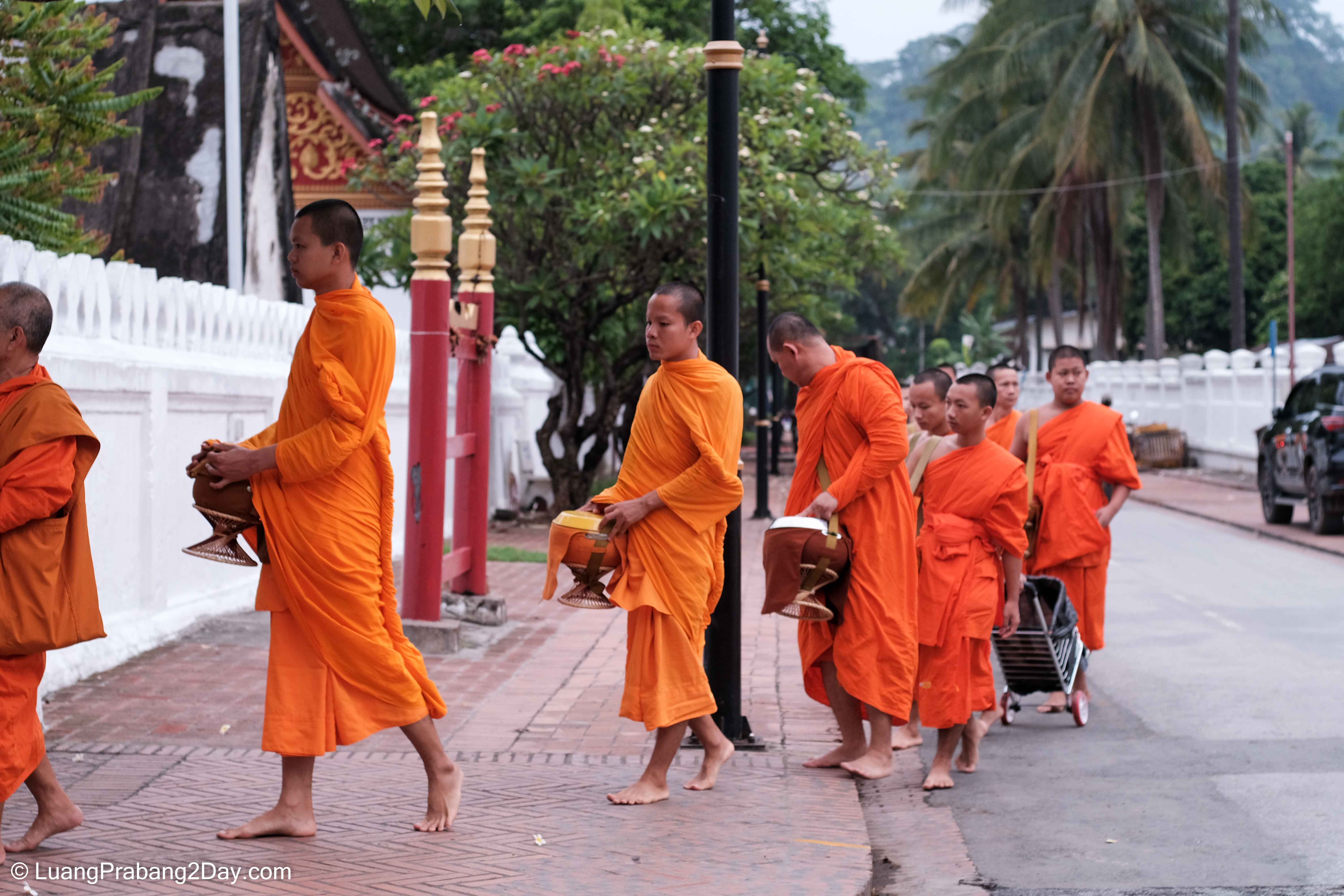
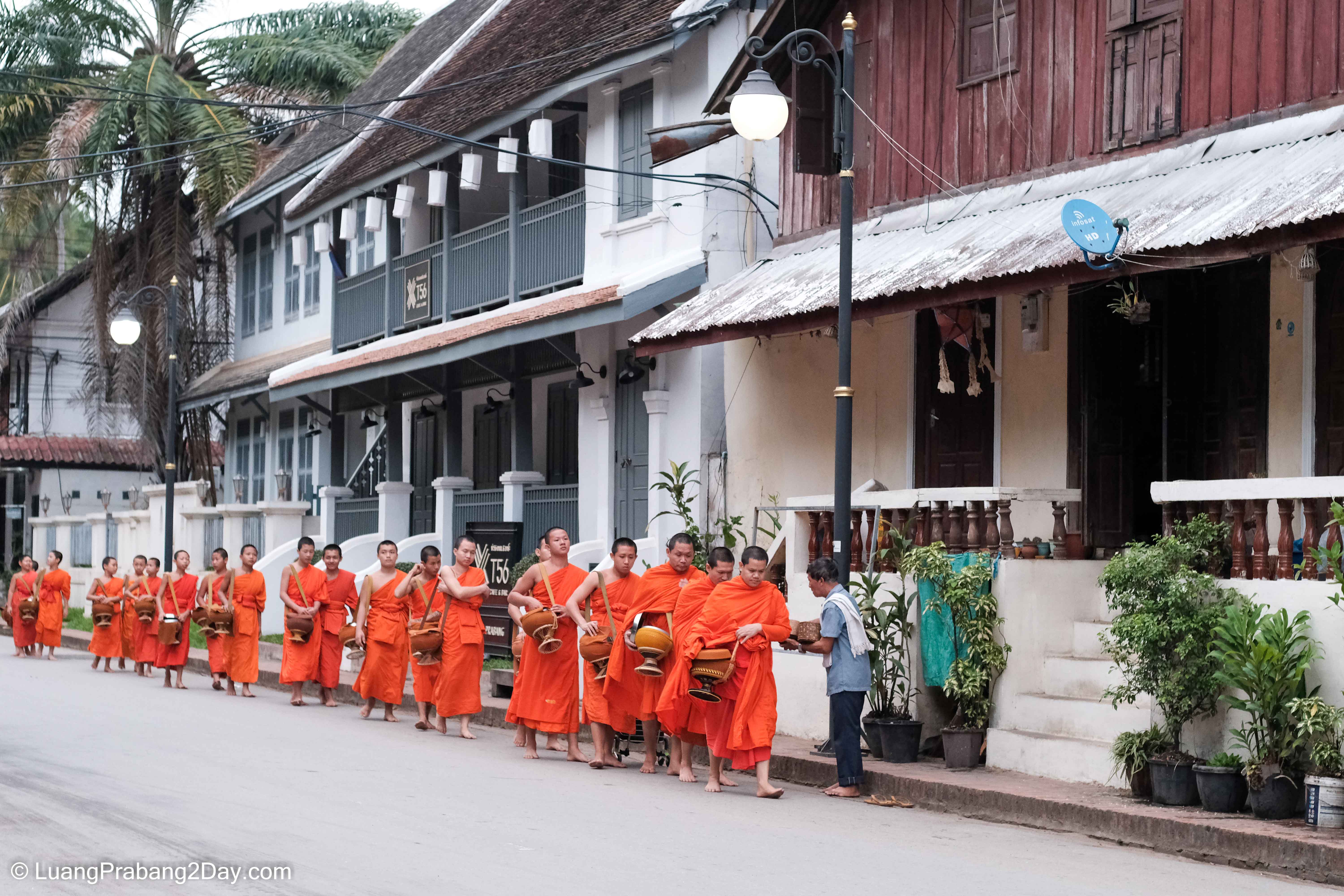
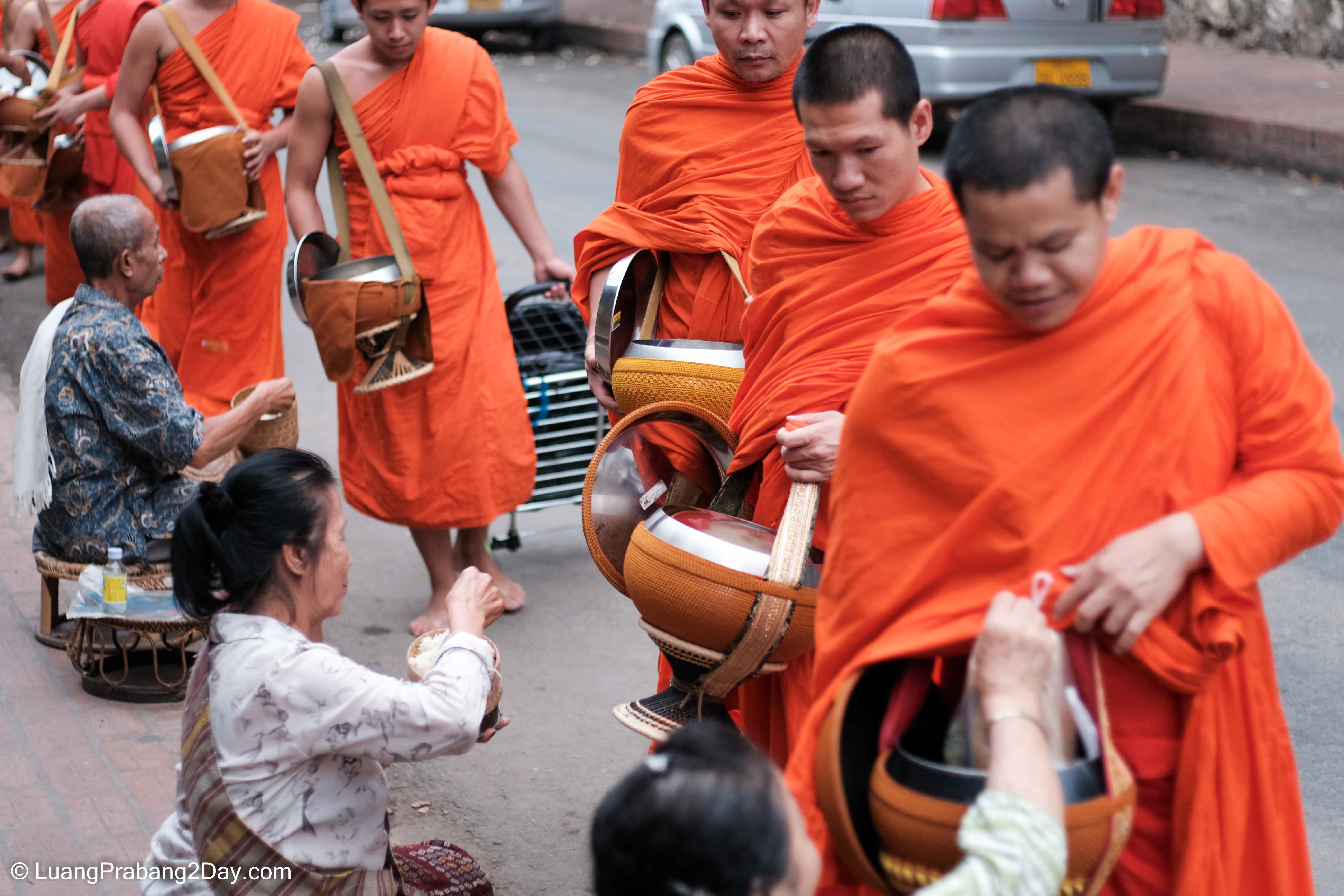
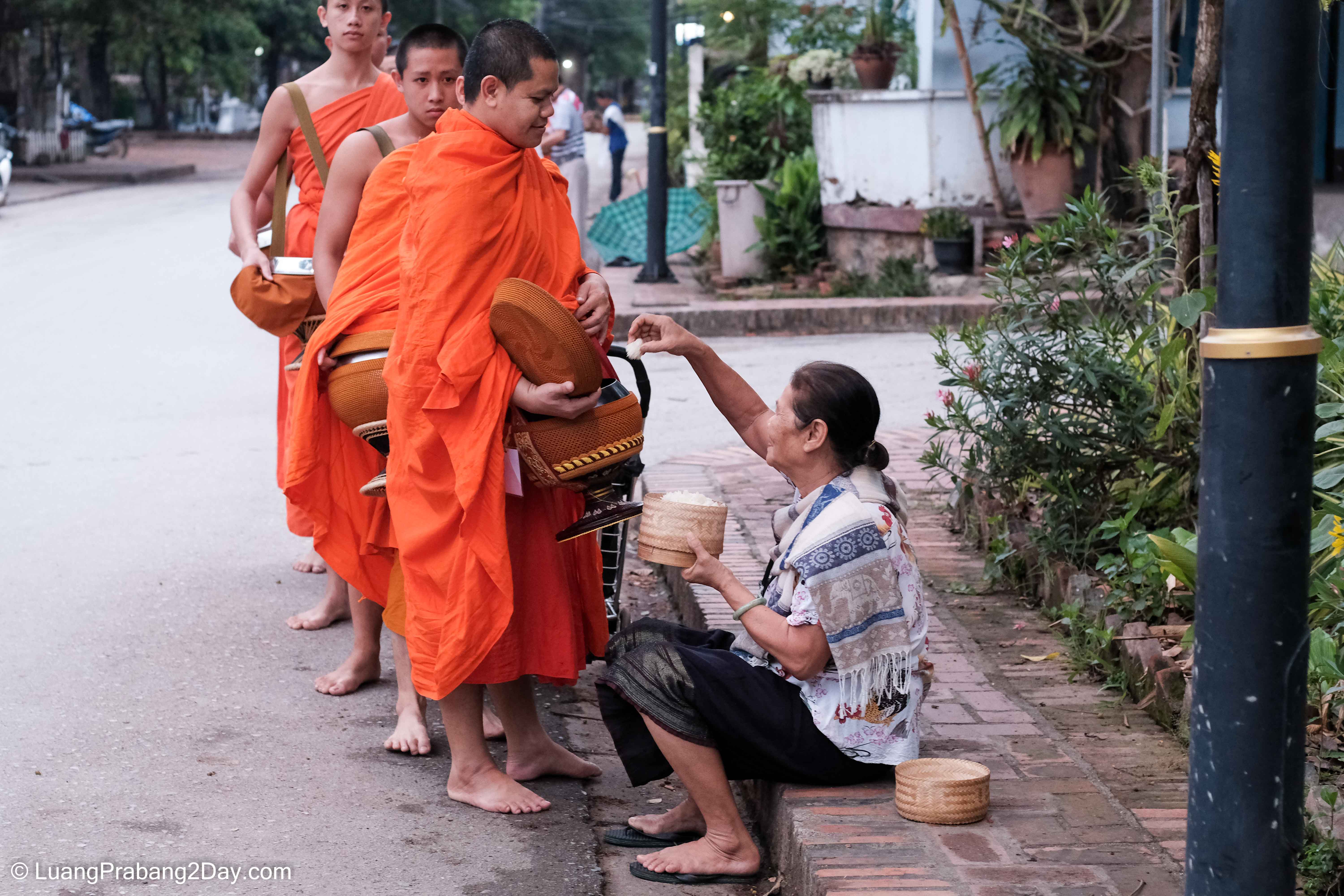
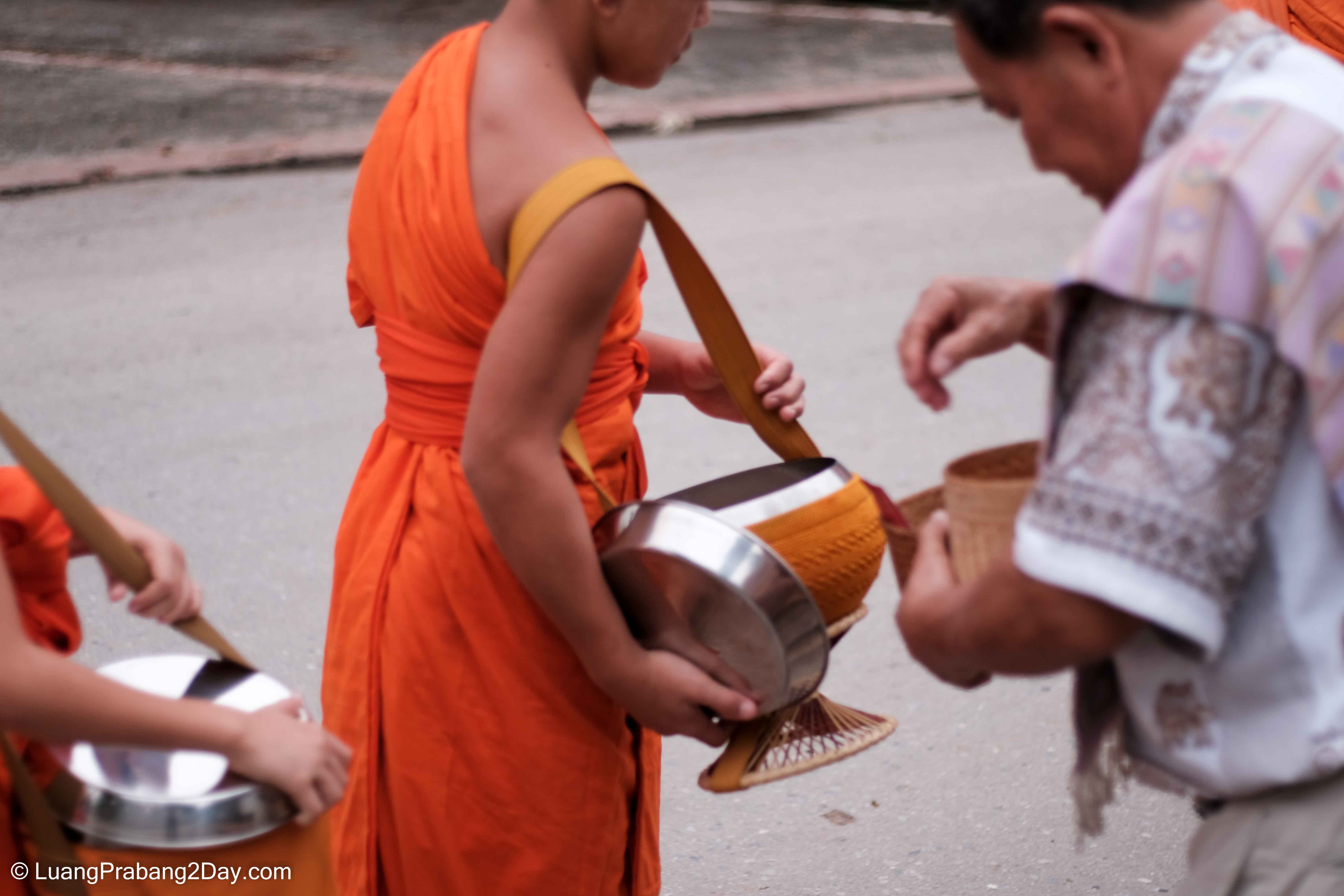
As dawn approaches, residents quietly gather along the streets with baskets of sticky rice prepared for the daily morning alms-giving ceremony.
Known locally as tak bat, the tradition remains one of the most recognizable expressions of Lao Buddhist culture. Monks walk silently through the city, receiving offerings from community members in a practice that has continued across generations.
The significance of the ritual extends beyond its visual beauty.
It reflects a relationship between community, faith, and continuity. The ceremony is not performed for an audience. Rather, it remains an integral part of daily life for many families who participate each morning as they have for decades.
For visitors, the experience offers a valuable opportunity to observe a living tradition. For residents, it represents something more familiar: a rhythm woven into the structure of everyday life.
The Morning Market
As the monks return to their temples, the city gradually shifts toward another essential rhythm.
The morning market comes alive.
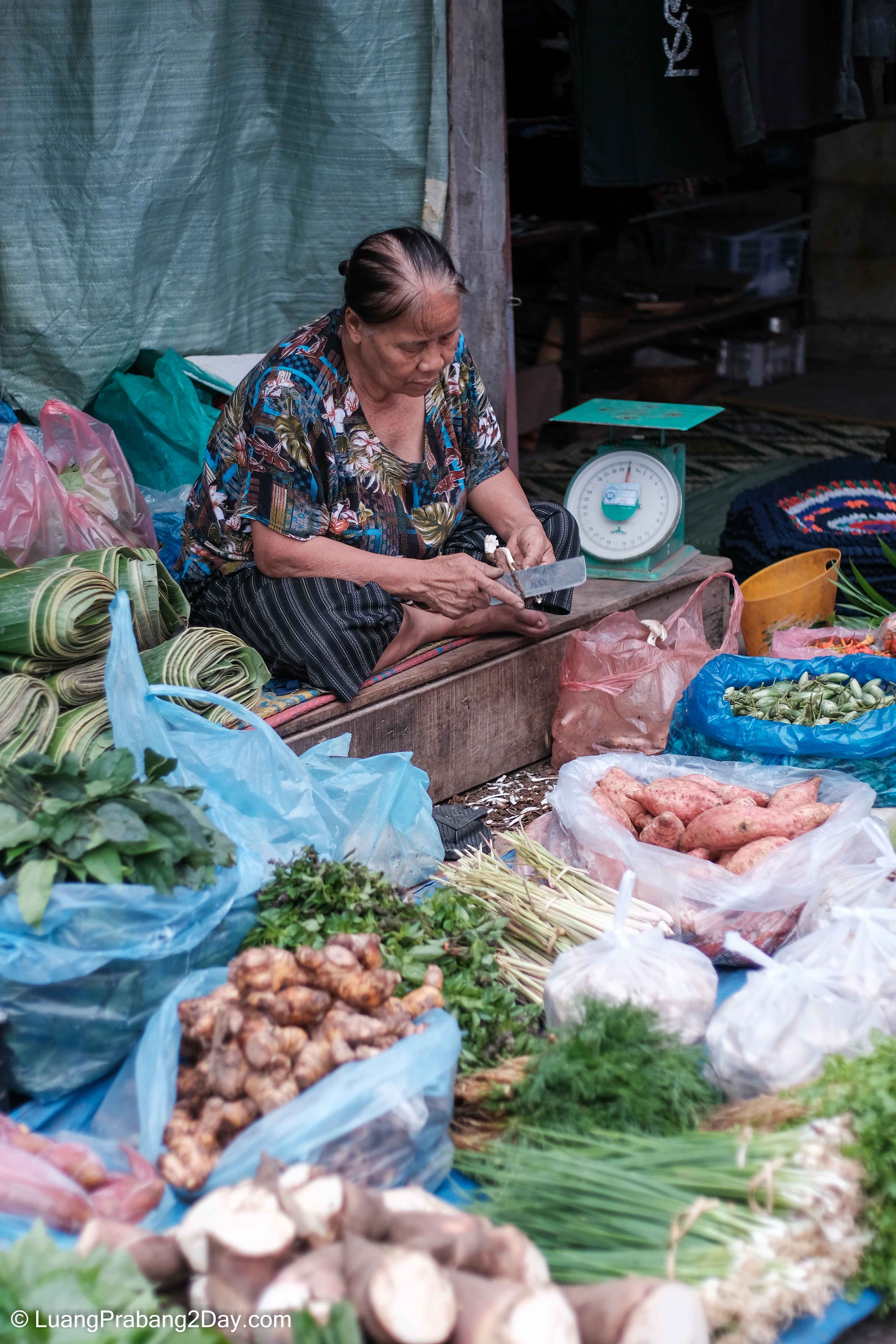
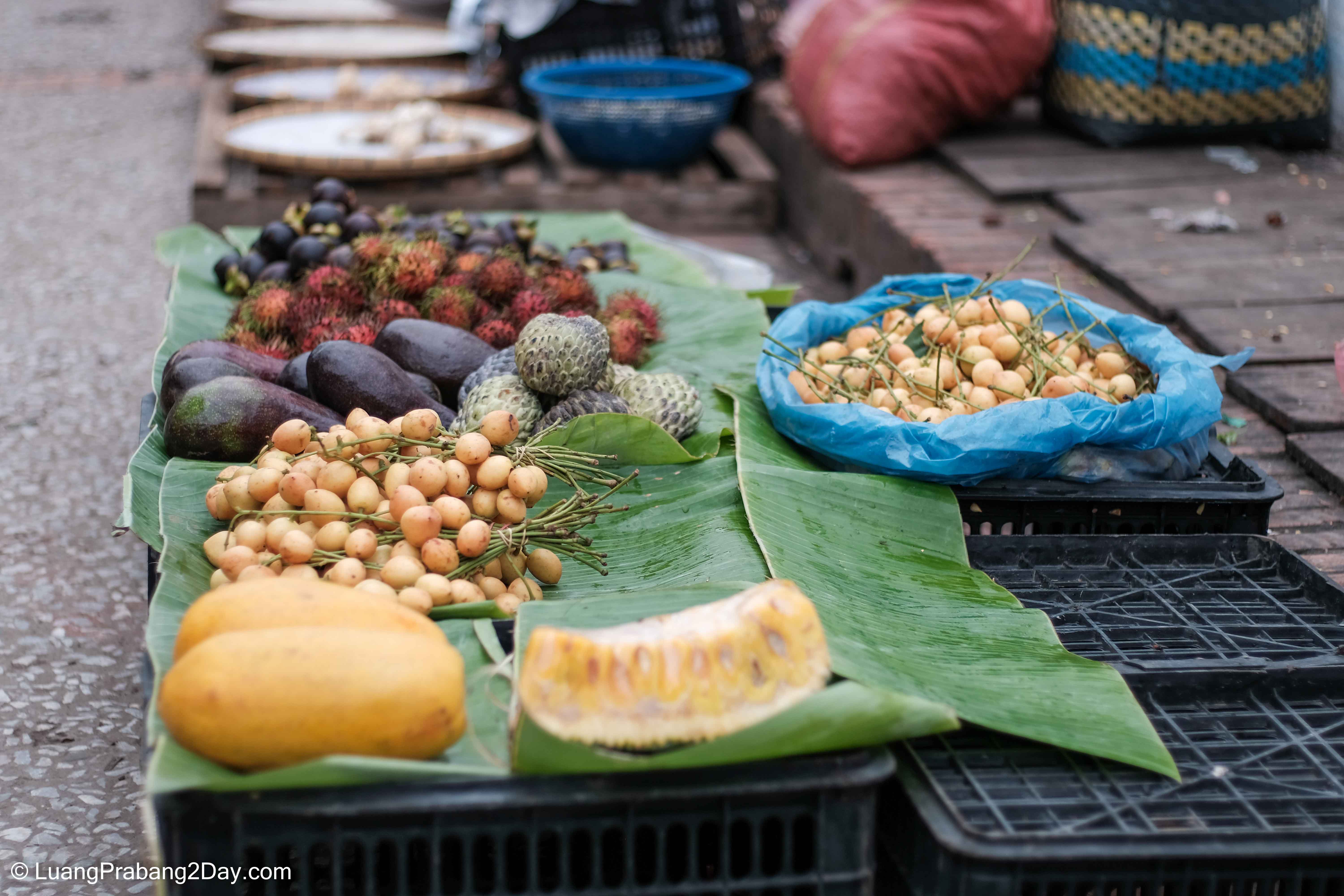
Vendors arrange vegetables, fruits, herbs, and river fish brought from surrounding villages. Conversations unfold naturally between buyers and sellers who often know one another well. The market serves not only as a place of commerce, but also as a daily gathering point where community relationships continue to be maintained.
In many ways, the market reflects the practical foundation that supports the cultural life of the city.
Here, heritage is not separated from everyday activity. It is expressed through local knowledge, traditional foods, seasonal produce, and the social connections that sustain community life.
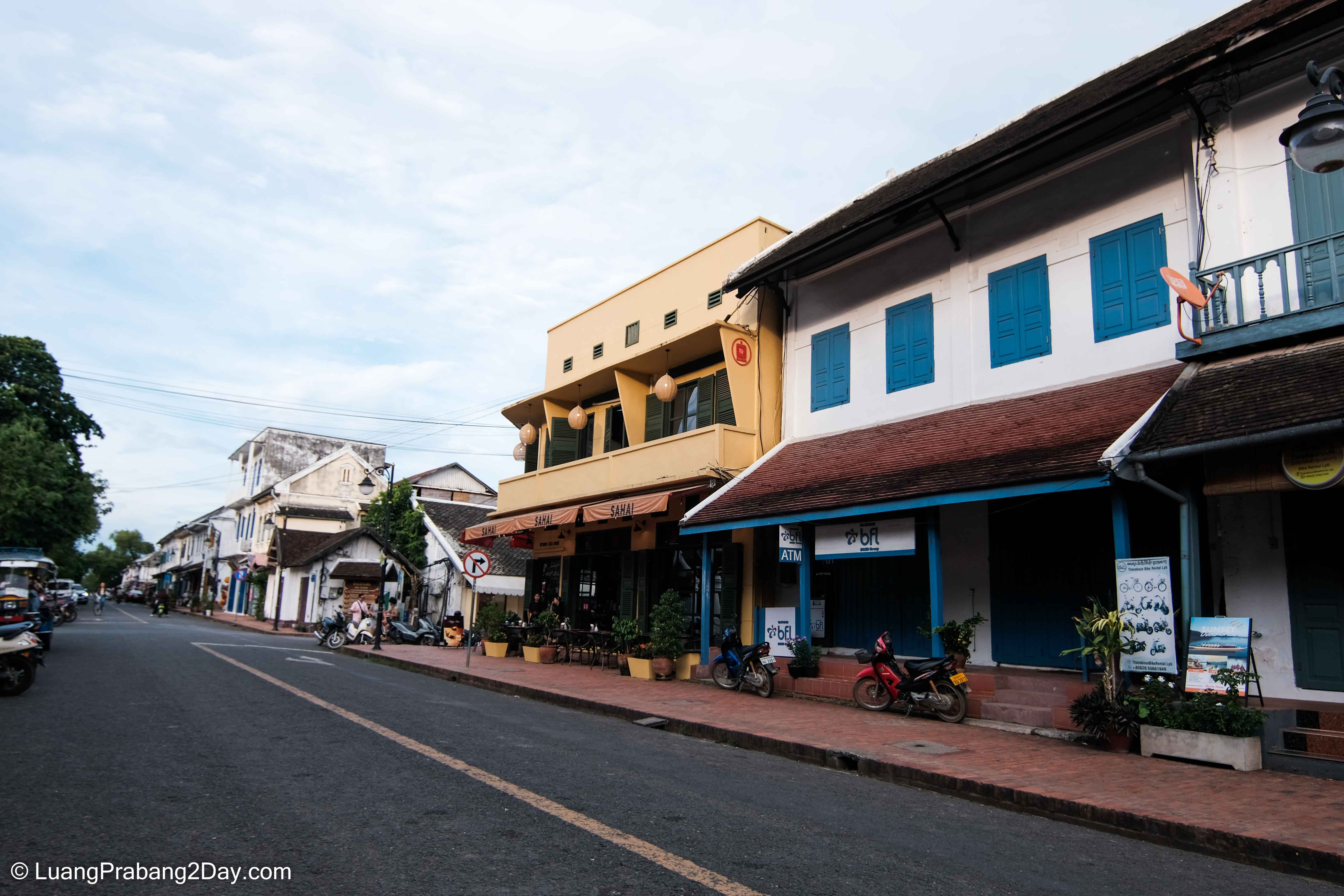
Streets That Remember
By mid-morning, sunlight begins to illuminate the historic streets of Luang Prabang.
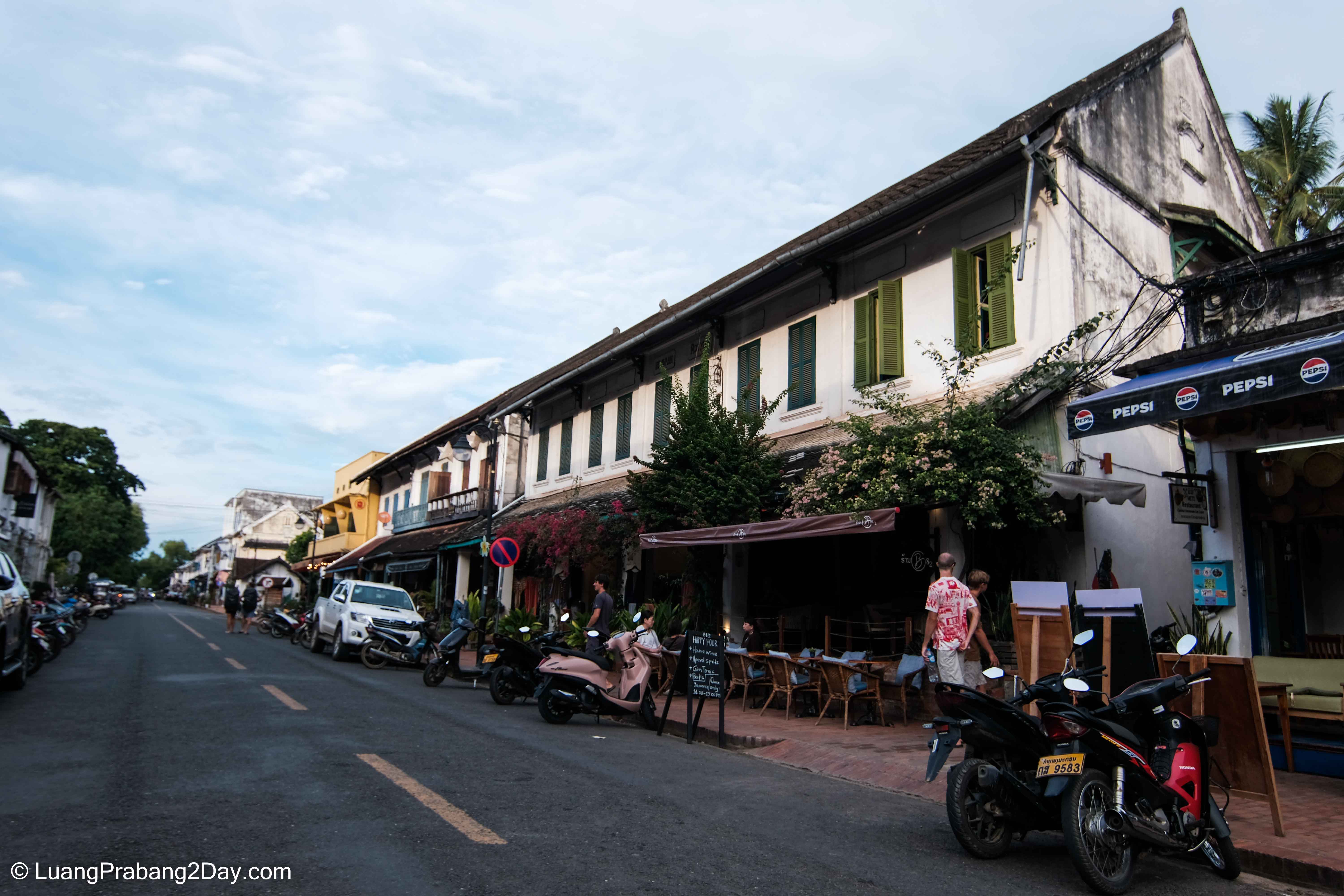
The city's architectural landscape is distinctive. Buddhist temples stand alongside traditional Lao wooden houses and carefully preserved colonial-era buildings. Together they form one of Southeast Asia's most recognizable historic urban environments.
Yet what makes these streets remarkable is not simply their appearance.
They remain lived spaces.
Children walk to school. Monks travel between temples. Residents open shops and cafés. Families continue to occupy houses that have served multiple generations.
The streets are not preserved as museum exhibits.
They continue to function as part of a living city.
This continuity between heritage and daily use remains one of Luang Prabang's most valuable characteristics.
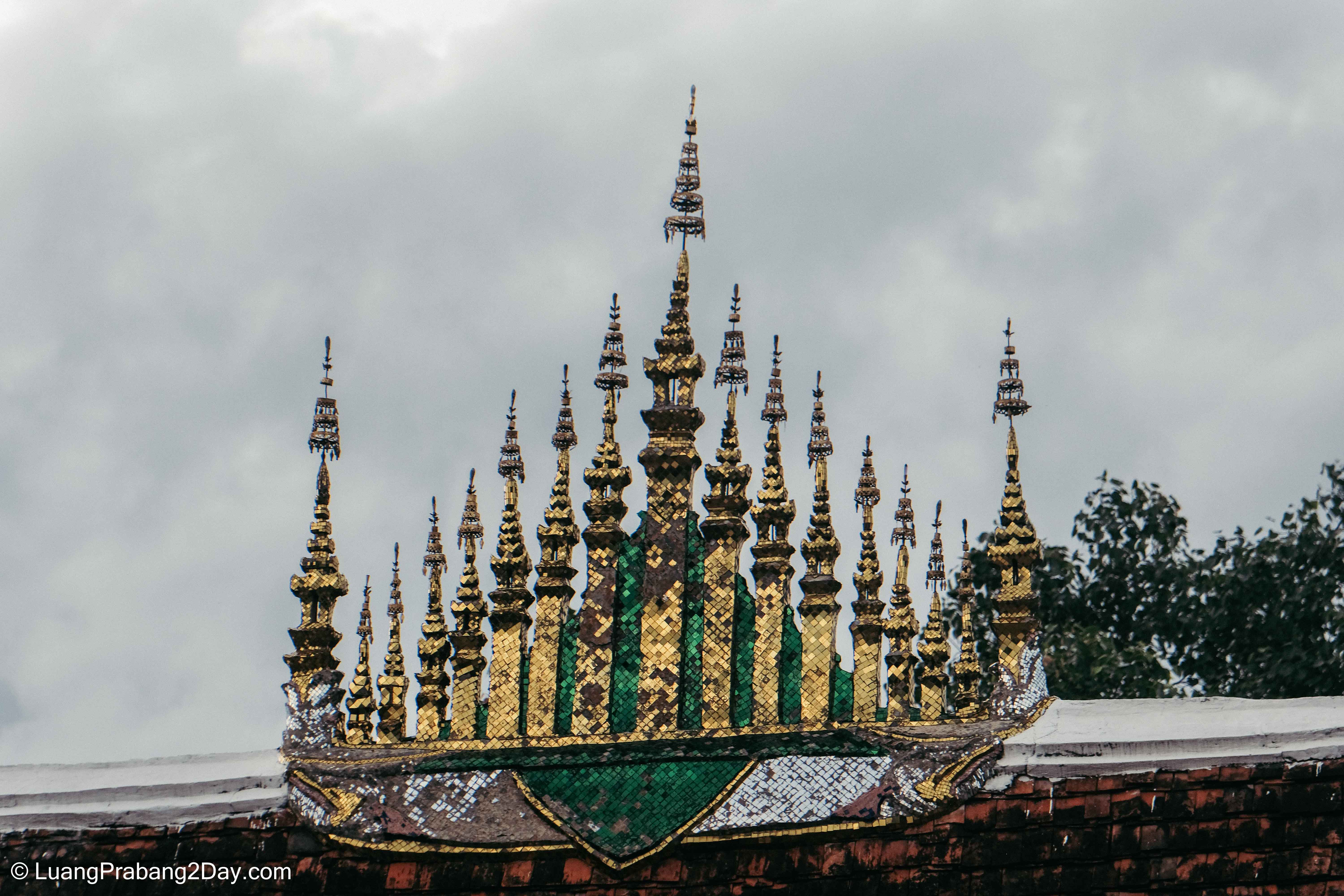
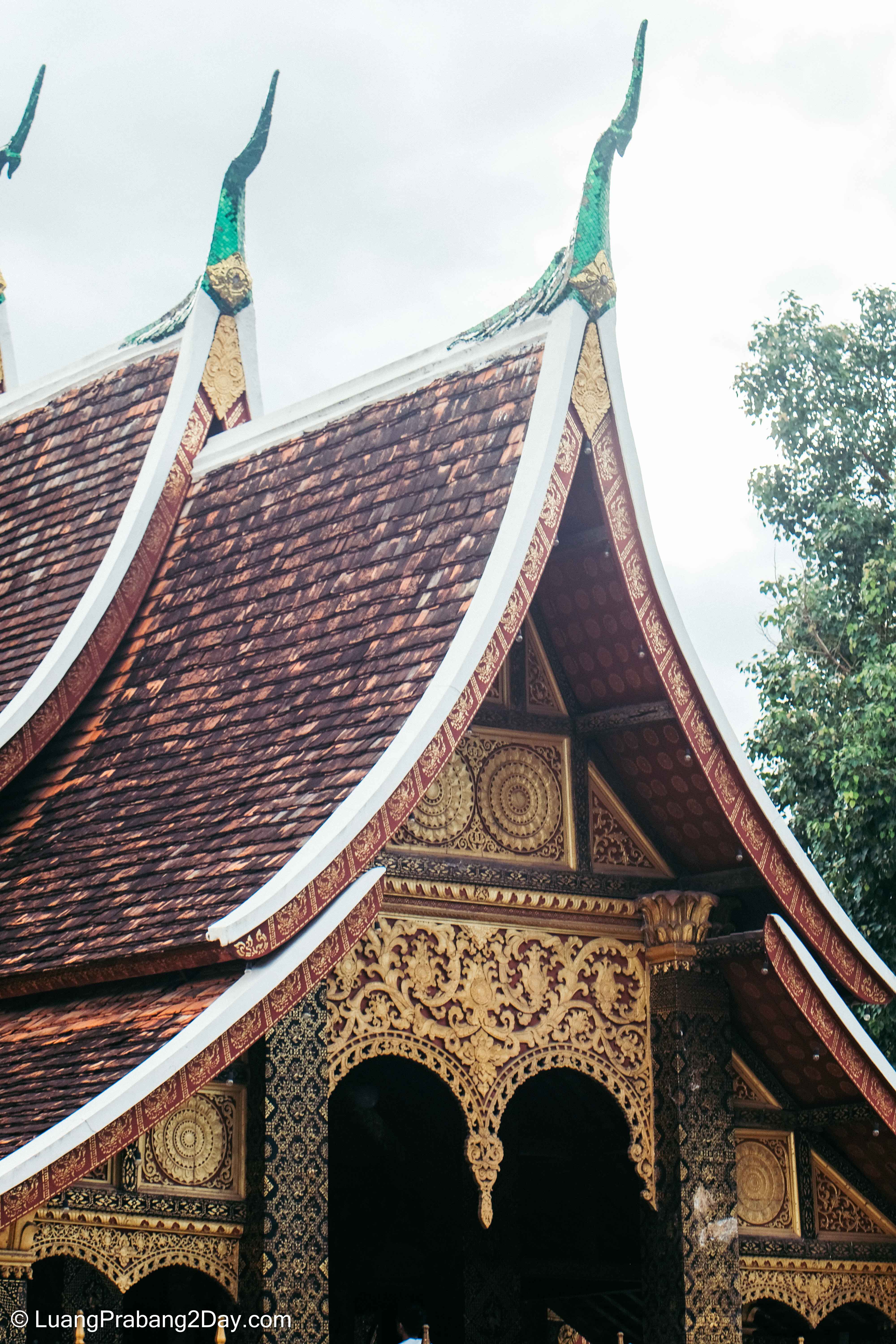
The Quiet Hours
As temperatures rise during the afternoon, the pace of the city naturally slows.
The quieter hours reveal another dimension of Luang Prabang. Elderly residents sit beneath shaded verandas. Artisans continue traditional crafts. Temple compounds become places of reflection and study.
For observers, these moments offer insight into a way of life shaped less by urgency and more by balance.
The city does not attempt to compete with the speed of larger urban centers.
Instead, it maintains a rhythm that reflects its own historical and cultural context.
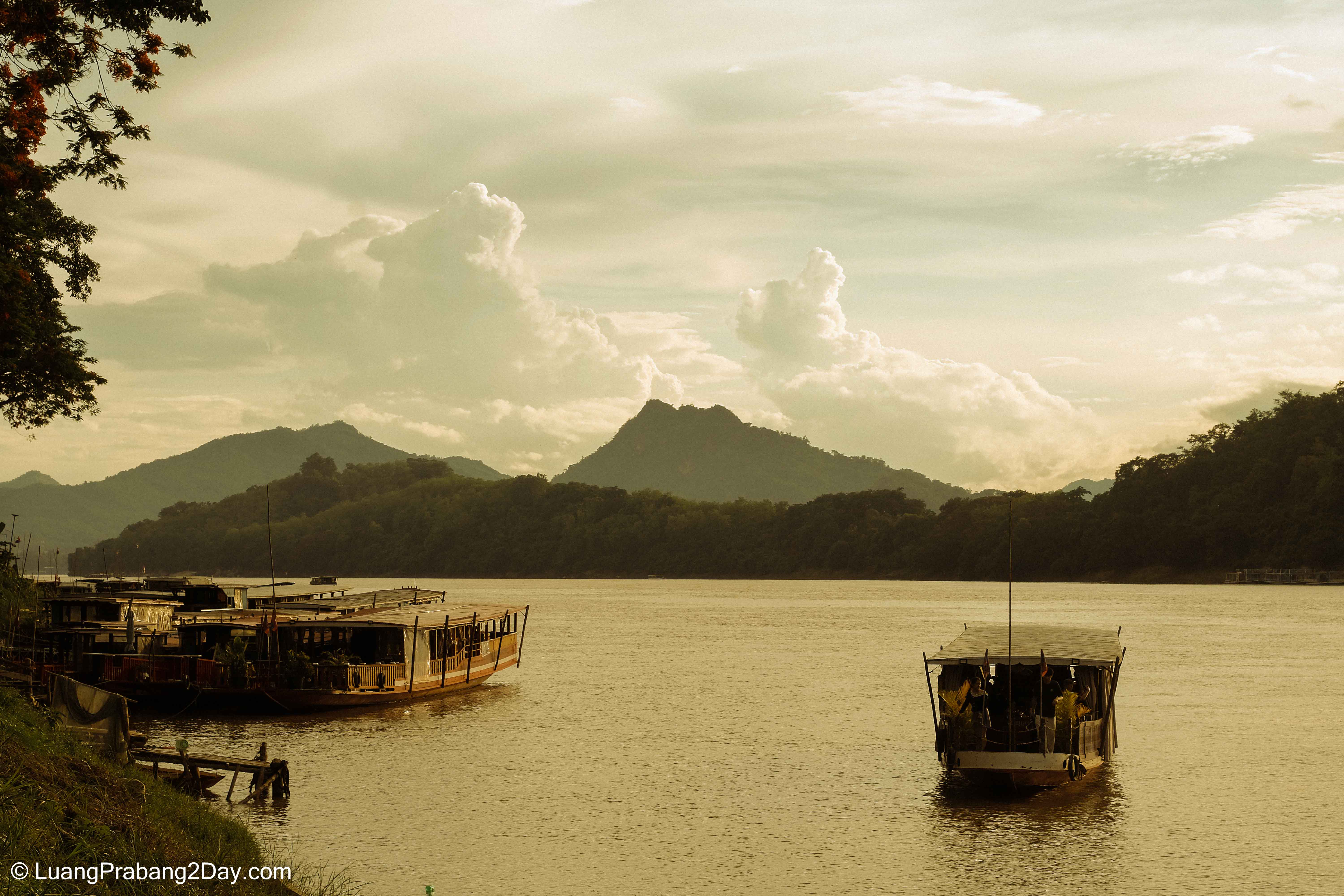
The Mekong River
Toward evening, attention gradually returns to the Mekong.
The river has shaped Luang Prabang for centuries. It has served as a route of travel, exchange, communication, and cultural connection throughout Lao history.
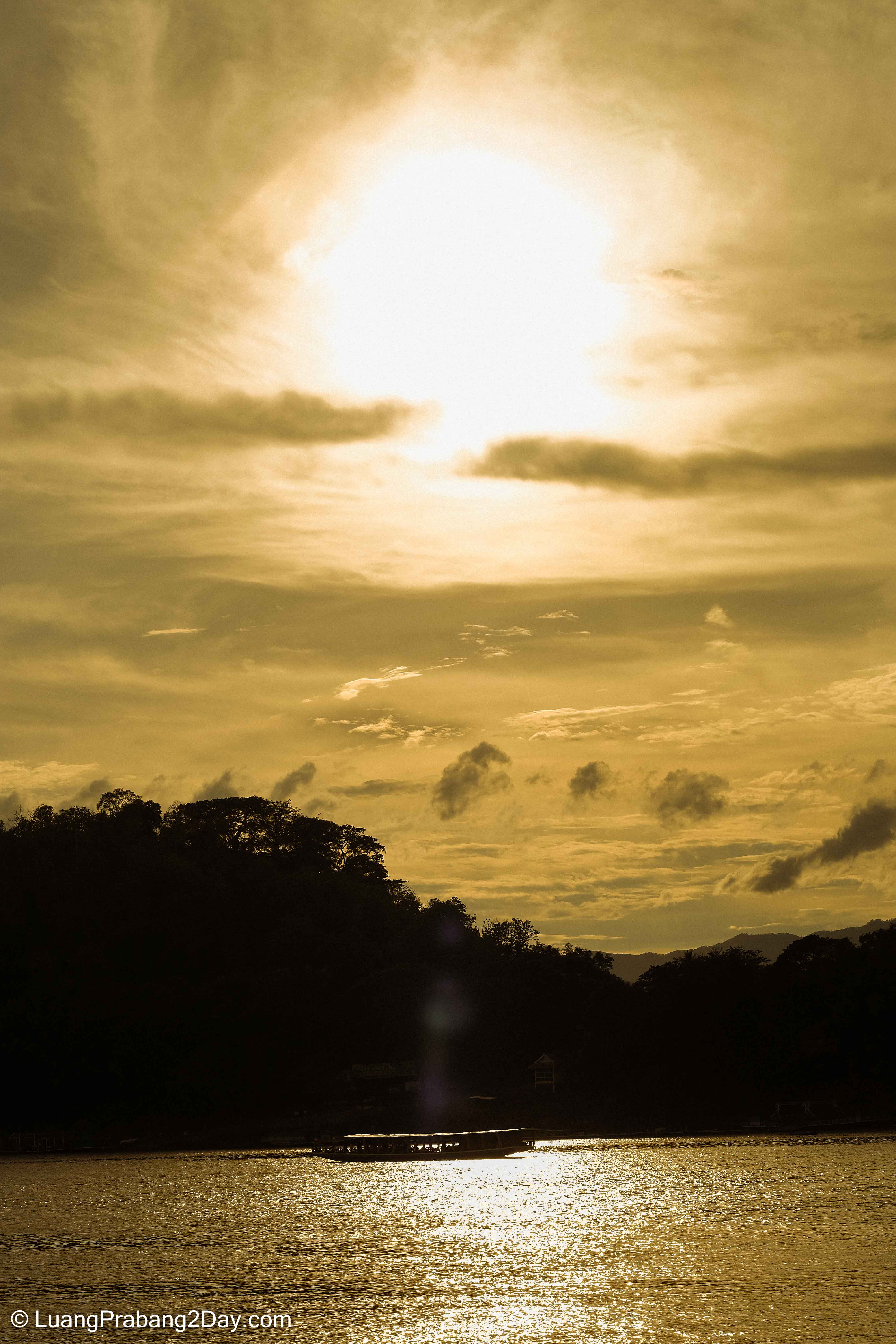
As sunlight reflects across the water, boats move quietly between riverbanks. The surrounding hills soften into silhouette. The pace of the day begins to settle.
The Mekong remains more than a geographical feature.
It is part of the city's identity.
Its presence can be felt in local traditions, seasonal festivals, community livelihoods, and the everyday experiences of those who live along its banks.
Evening Reflection
As evening arrives, temple lights begin to glow against the fading sky.
The city becomes quieter once again.
Families gather for meals. Conversations continue beneath old wooden roofs. Along the river, residents and visitors pause to watch the final light disappear beyond the mountains.
The day concludes much as it began: calmly, without spectacle.
For those who spend time observing closely, Luang Prabang offers an important reminder.
Heritage is not sustained by monuments alone.
It survives through participation.
Through rituals repeated each morning.
Through markets that continue to serve their communities.
Through streets that remain lived rather than displayed.
Through the ongoing stewardship of residents who carry traditions forward while continuing to adapt to the present.
This is the quiet strength of Luang Prabang.
Not simply a destination to be visited, but a living heritage city whose character continues to be shaped by the rhythms of everyday life.
A heritage city survives not because it is old, but because its rhythms continue.

ABOUT THE AUTHOR
Hello We are OddThemes, Our name came from the fact that we are UNIQUE. We specialize in designing premium looking fully customizable highly responsive blogger templates. We at OddThemes do carry a philosophy that: Nothing Is Impossible