Beyond the Ranking Why Luang Prabang Continues to Captivate the World
Beyond the Ranking
Why Luang Prabang Continues to Captivate the World
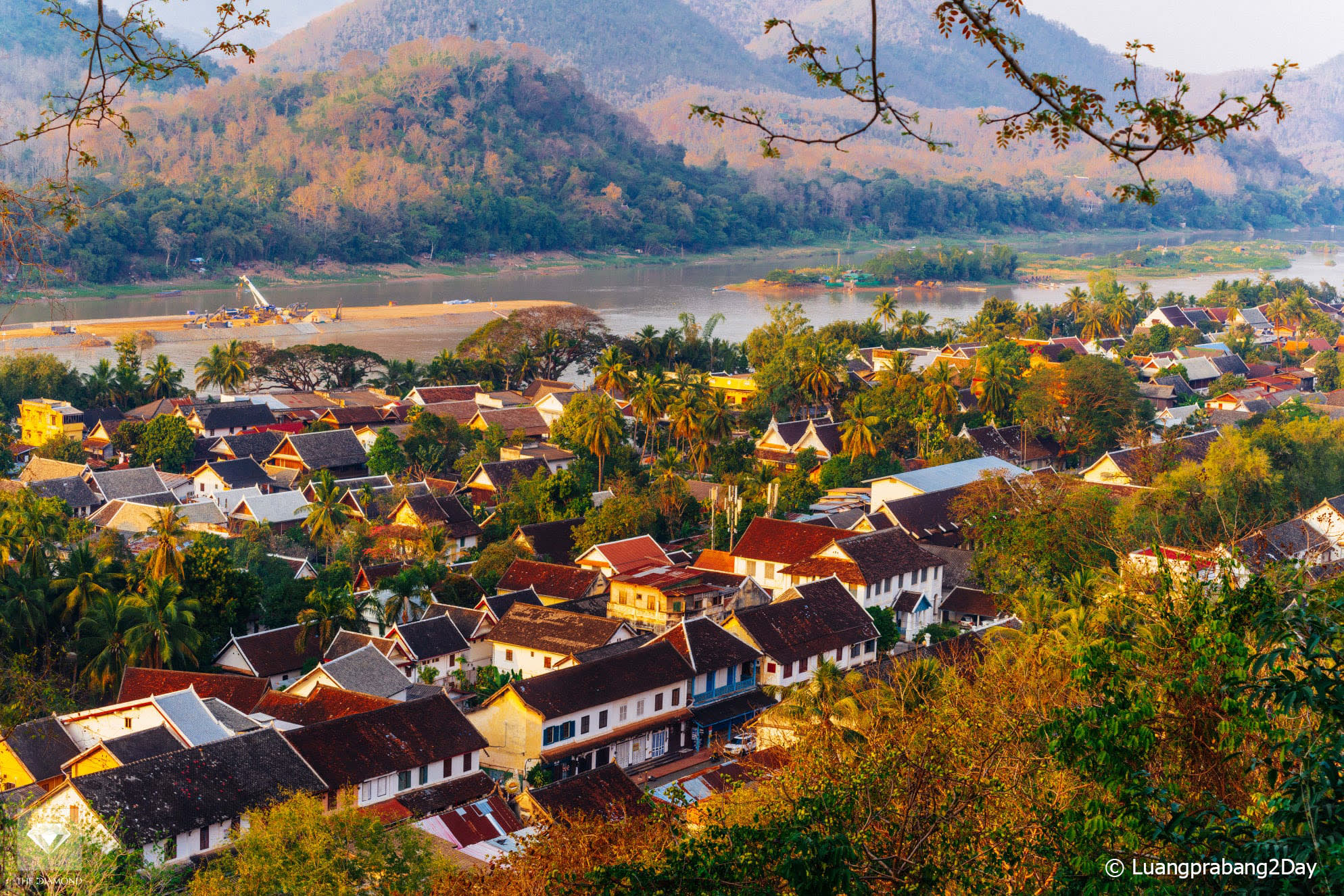
Caption
Golden light falls across Luang Prabang, revealing a landscape where rivers, mountains, and centuries of human settlement continue to exist in remarkable harmony.
A Geography That Created a Civilization
Before temples, royal palaces, or colonial streets, there were rivers.
Long before Luang Prabang became a royal capital or a UNESCO World Heritage city, the Mekong and the Nam Khan shaped the peninsula that would eventually become one of Southeast Asia's most enduring cultural landscapes.
For centuries, these waterways provided transportation, fertile land, natural protection, and the foundation upon which communities flourished.
Today, the geography remains largely unchanged, reminding visitors that nature was the city's first architect.
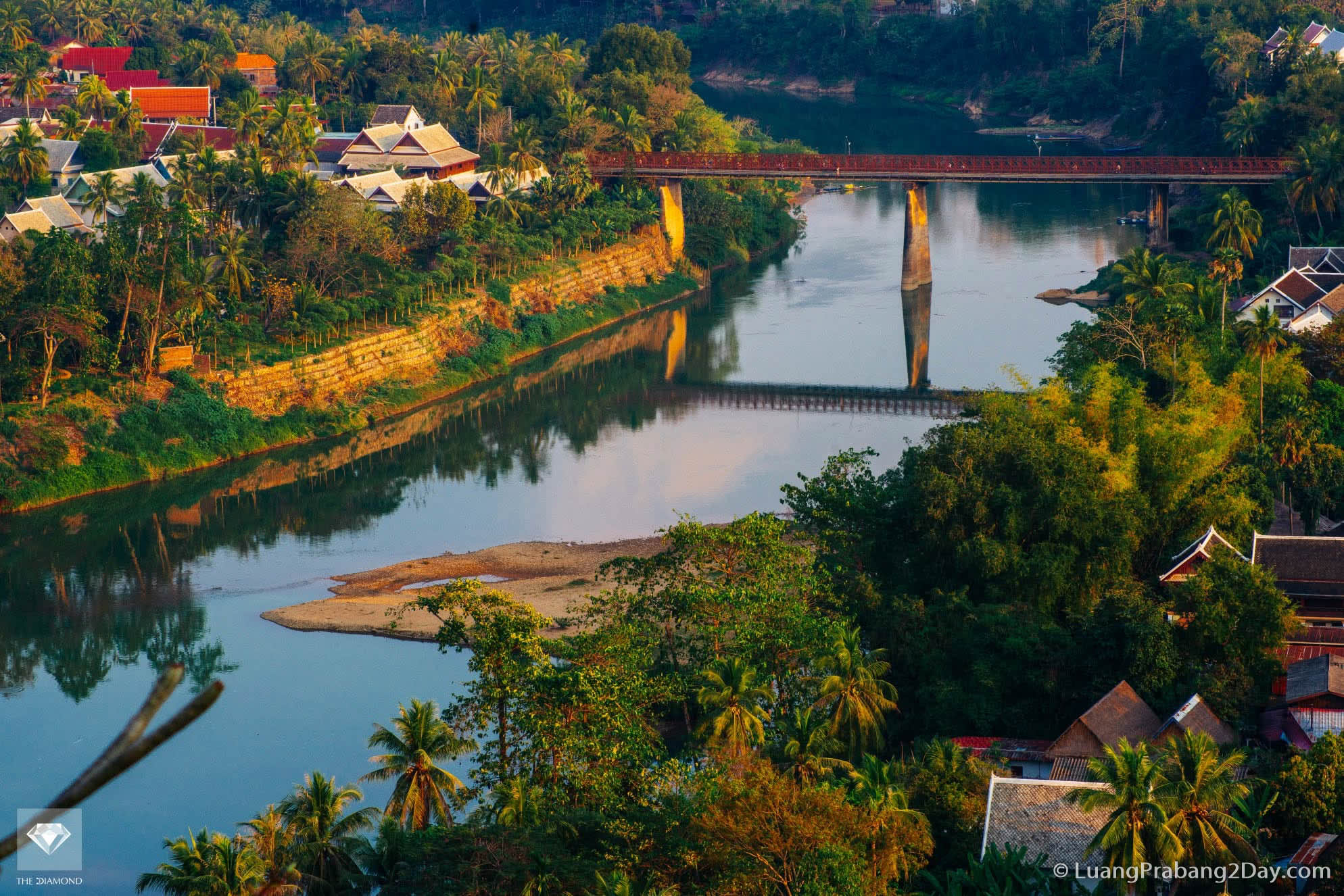
Caption
The Mekong River has shaped the geography, economy, and history of Luang Prabang for centuries.
Photo
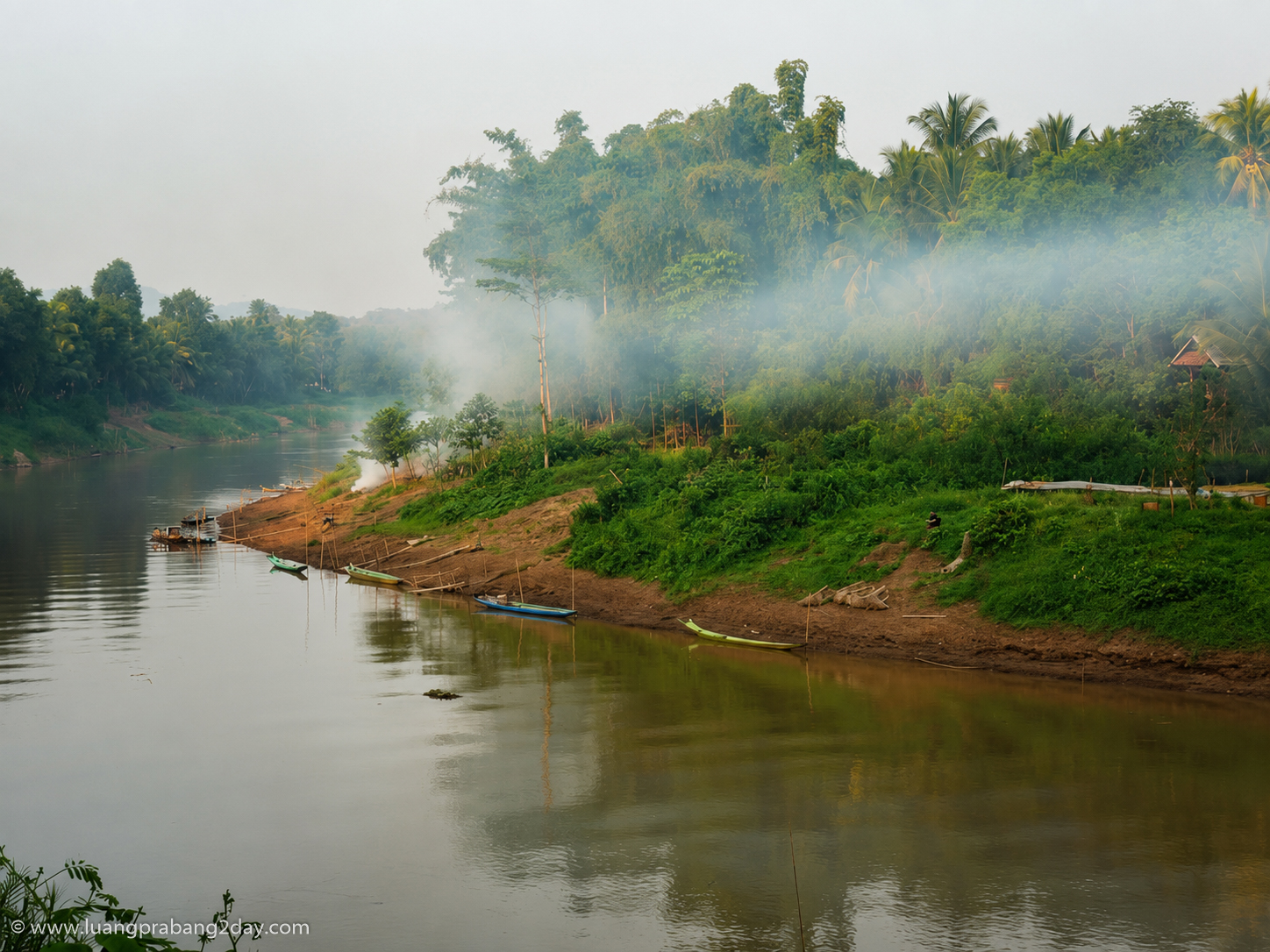
Caption
Morning mist drifting above the Mekong creates one of Luang Prabang's most enduring daily landscapes.
Caption
Life along the Mekong continues at a slower rhythm, where boats remain part of everyday life.
A City Built for Human Scale
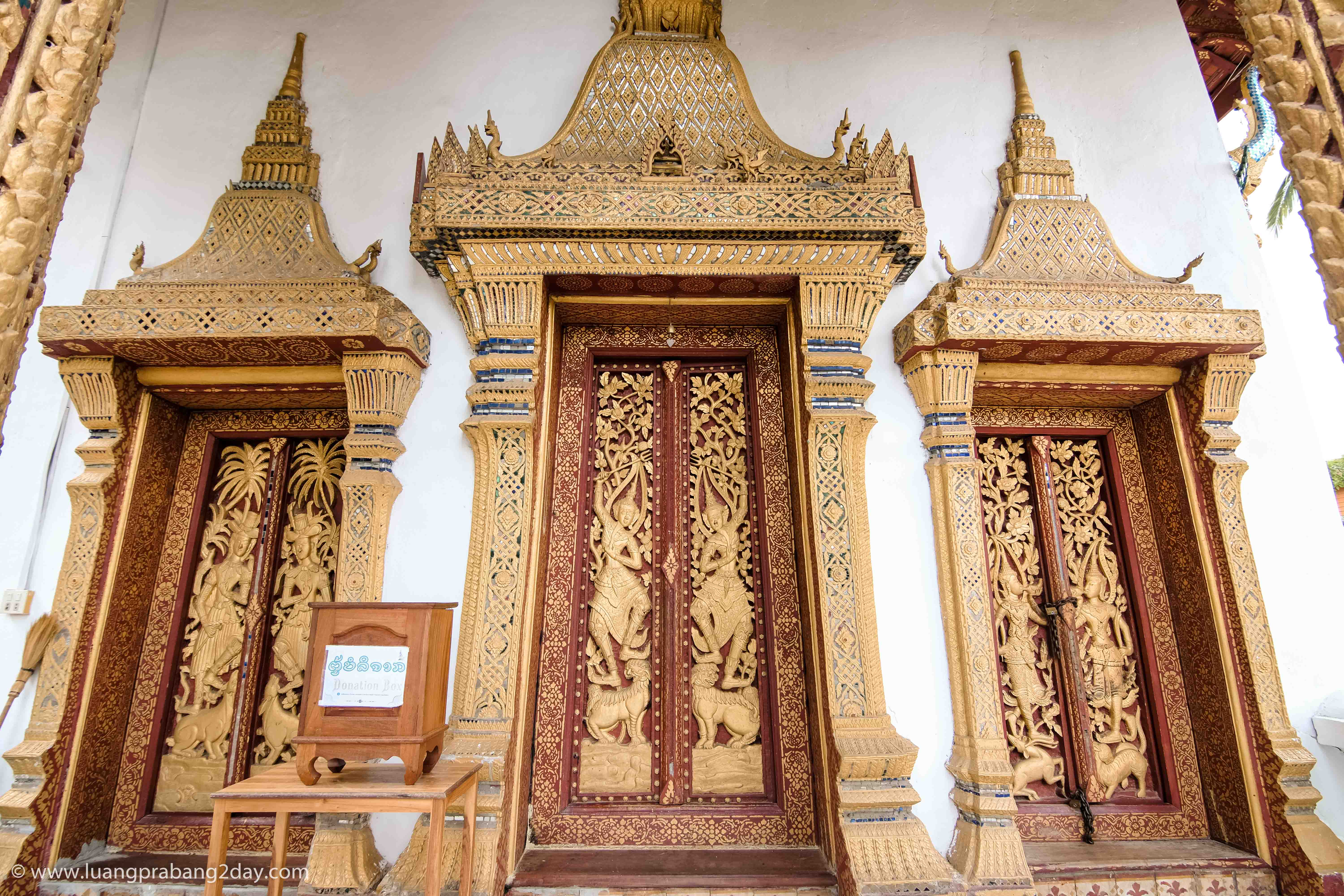
Unlike many historic cities that expanded rapidly through modern development, Luang Prabang still retains a scale designed for walking, conversation, and community.
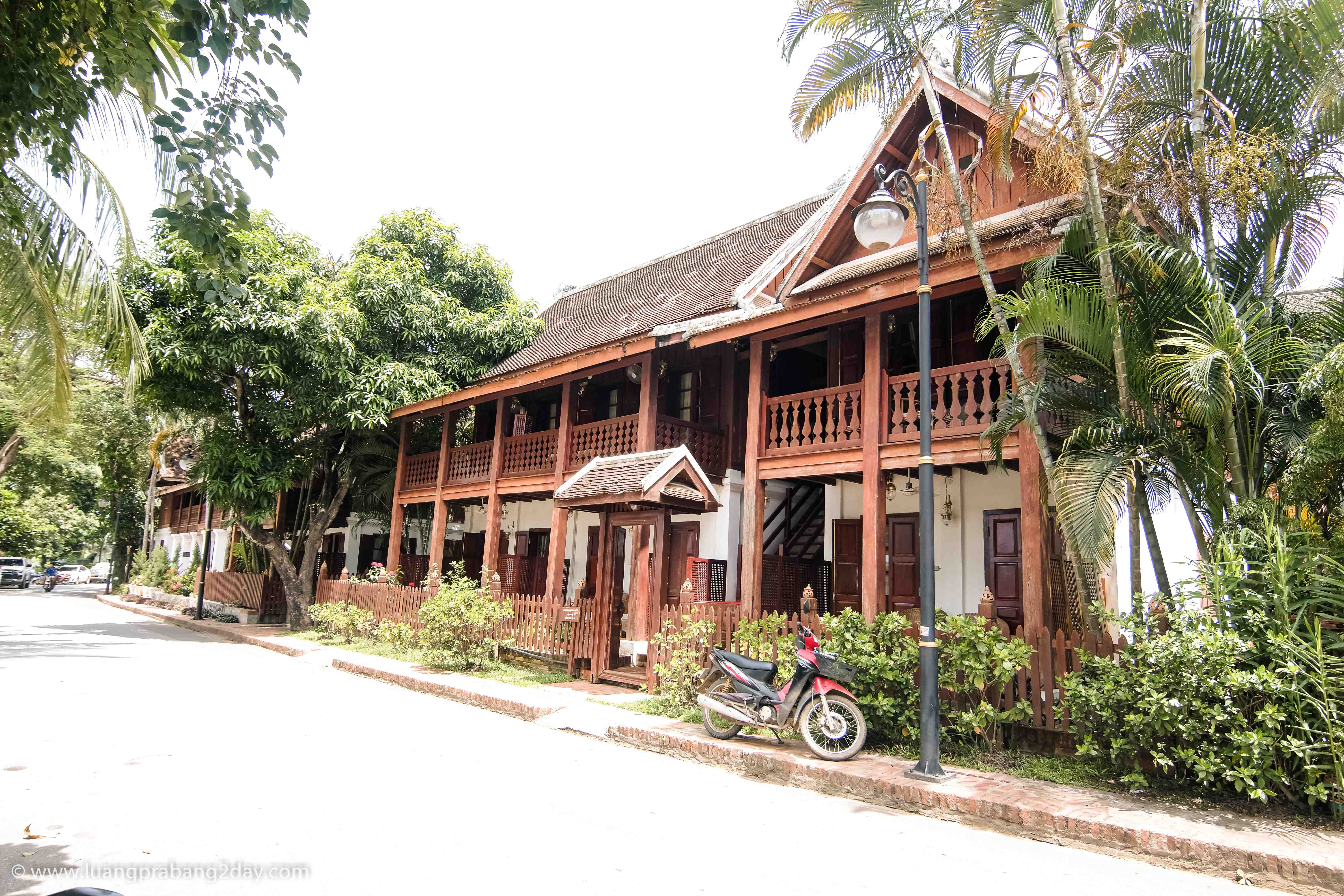
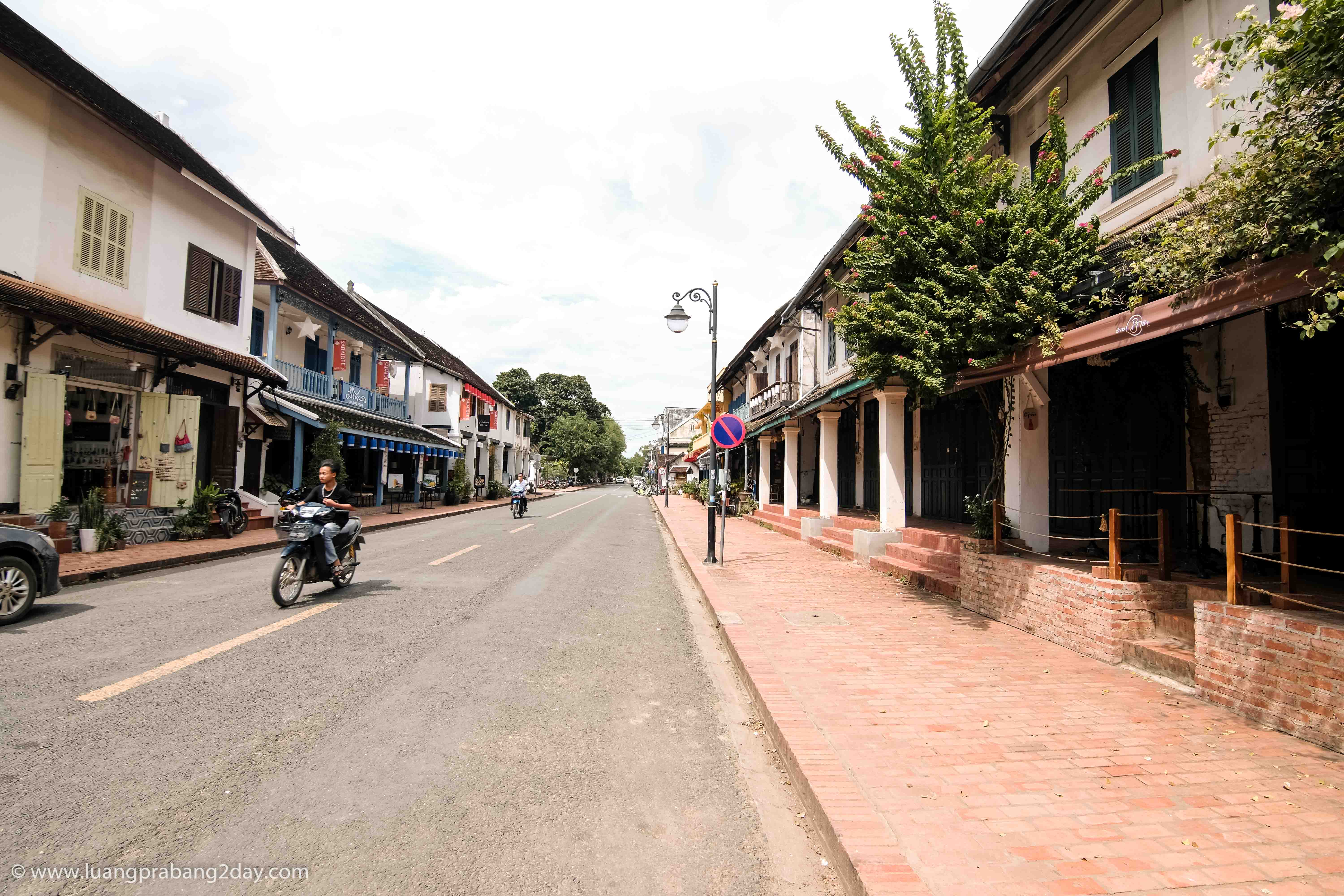
Traditional Lao wooden houses stand beside colonial-era buildings without competing for attention.
Architecture here serves everyday life before spectacle, allowing the city to remain both functional and deeply human.
Caption
Traditional wooden architecture reflects generations of local craftsmanship adapted to the tropical climate.
Caption
Historic streets preserve a rare dialogue between Lao traditions and colonial-era architecture.
Caption
Human-scale streets encourage walking, observation, and everyday encounters.
Sacred Architecture
Architecture in Luang Prabang reflects both practical living and spiritual belief.
Alongside homes and historic streets, Buddhist temples continue to shape the city's identity.
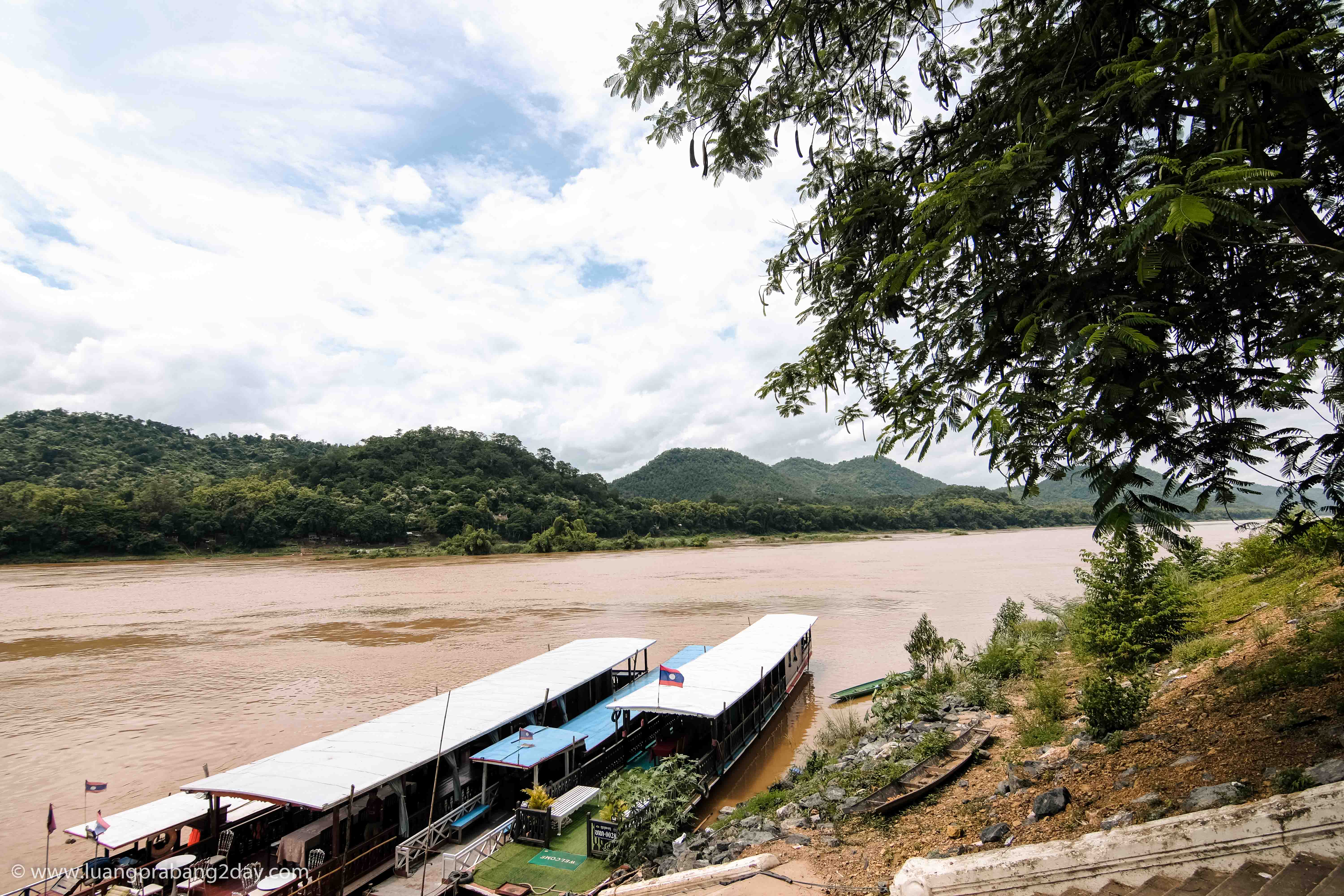
Rather than monuments separated from everyday life, these sacred spaces remain active places of worship where traditions continue to be practiced by local communities.
Caption
Intricate carvings demonstrate the extraordinary craftsmanship preserved within Lao Buddhist architecture.
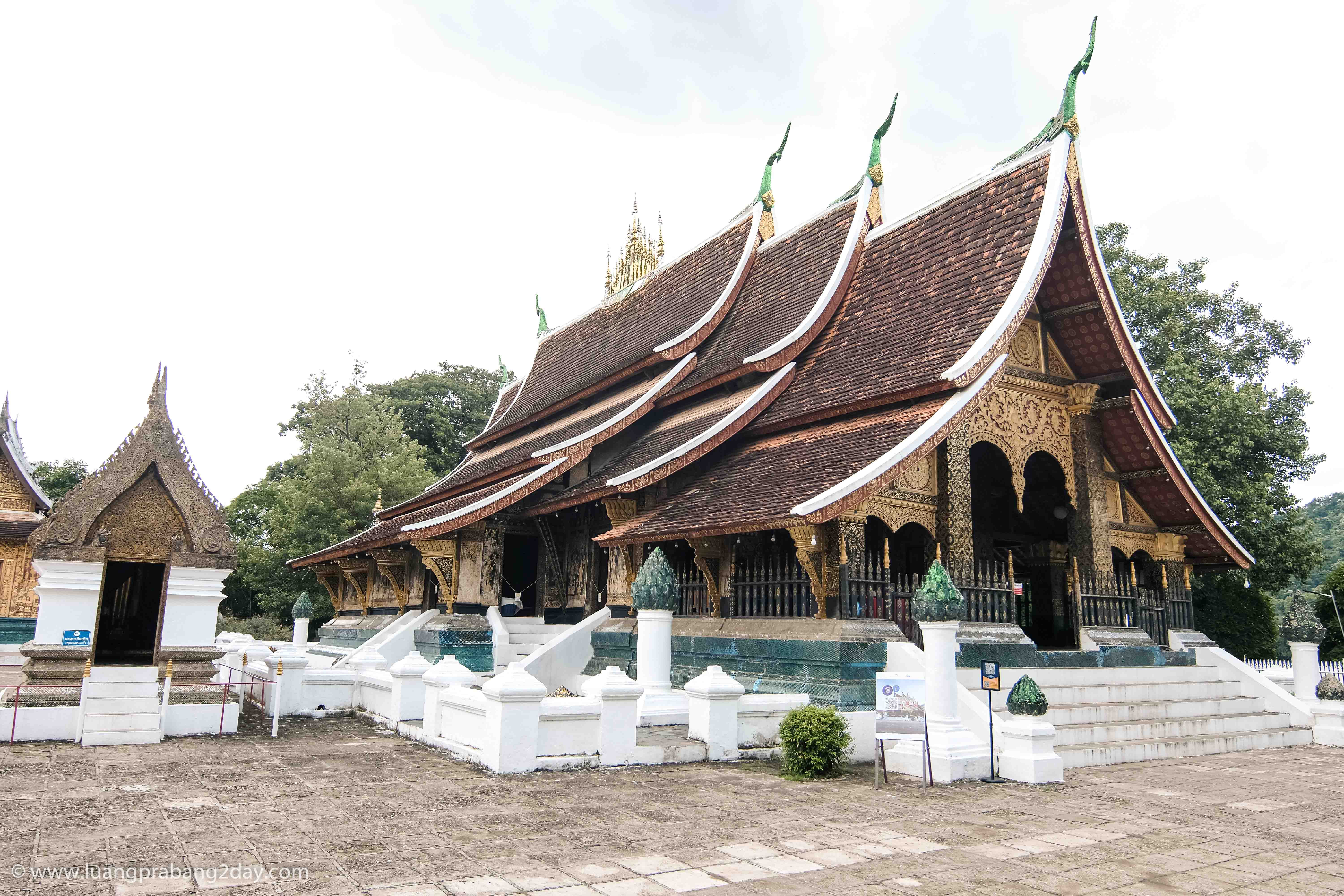
Caption
Wat Xieng Thong remains one of the finest surviving examples of classical Lao temple architecture.
Heritage That Is Still Alive
Many historic cities preserve monuments.
Luang Prabang preserves knowledge.
Traditional skills continue to be practiced by families who inherited techniques passed down through generations, ensuring that craftsmanship remains part of everyday life rather than a museum display.
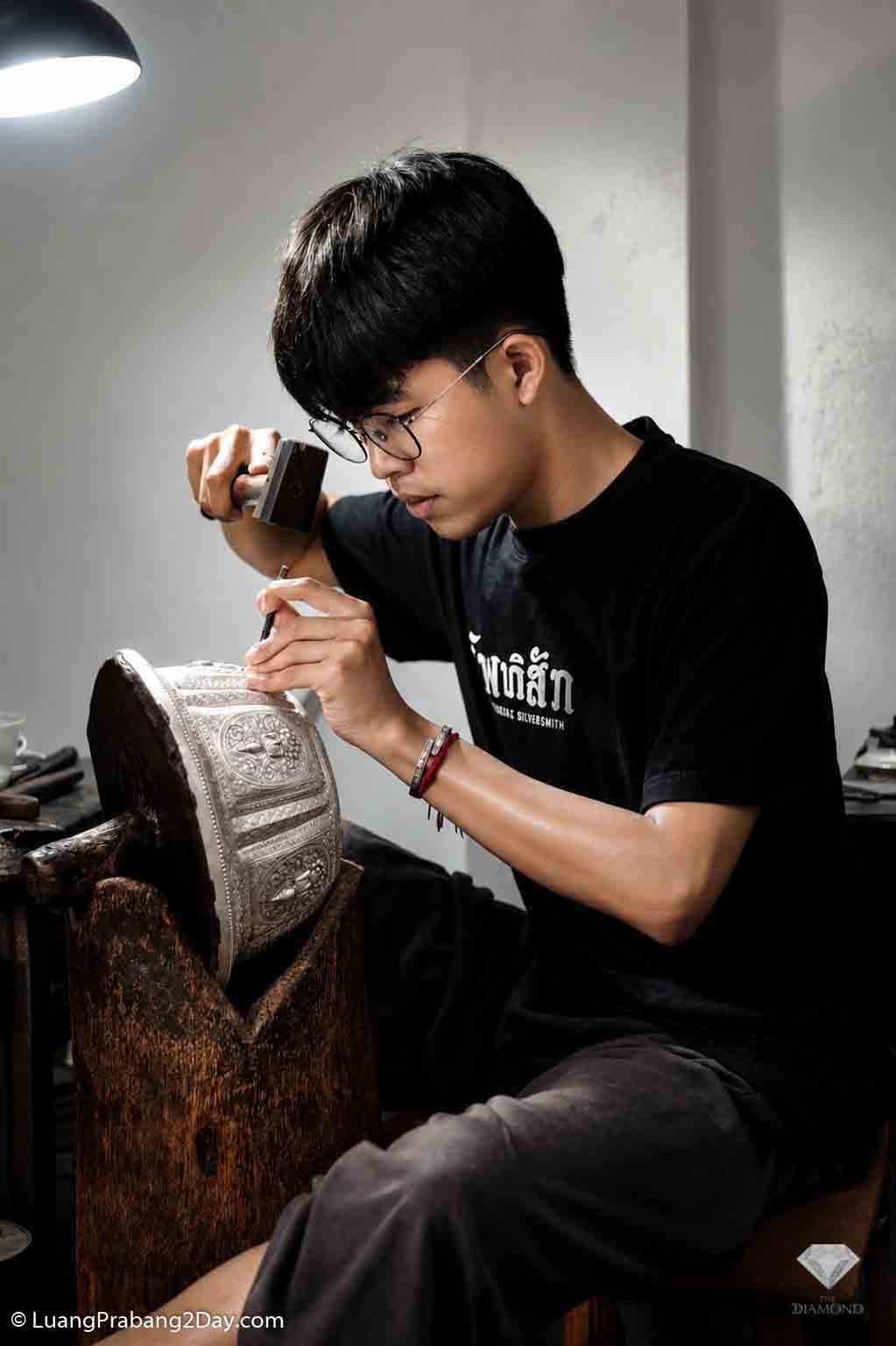
Caption
Traditional silversmithing continues through younger generations, keeping centuries-old craftsmanship alive.
Everyday Life as Cultural Heritage
The identity of Luang Prabang is found not only inside temples, but also in kitchens, markets, workshops, cafés, and neighborhood streets.
These ordinary routines give meaning to the city's extraordinary heritage.
It is within these everyday moments that visitors often discover the character that cannot be found in guidebooks alone.
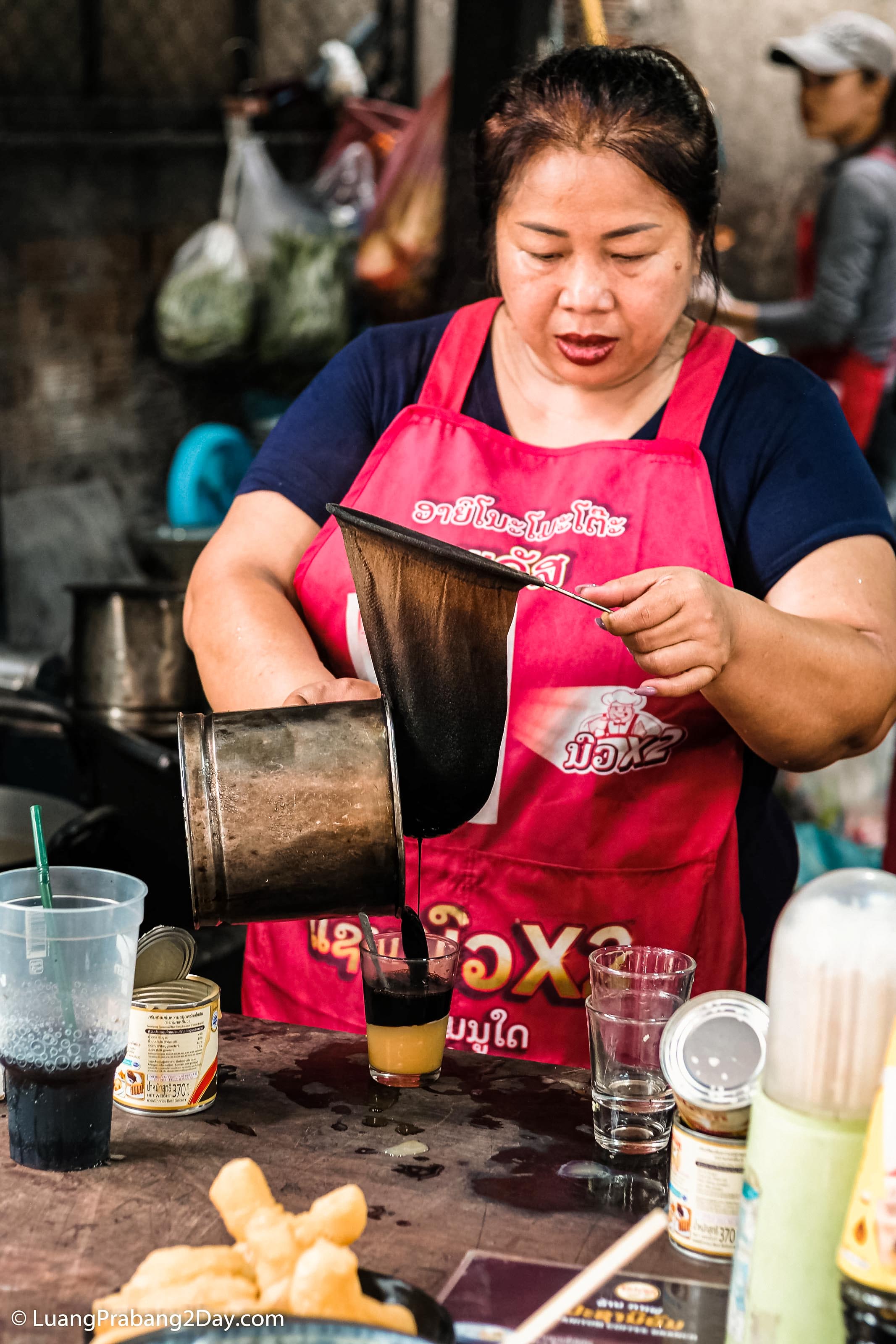
Caption
Preparing morning coffee is part of the everyday rhythm that defines local life.
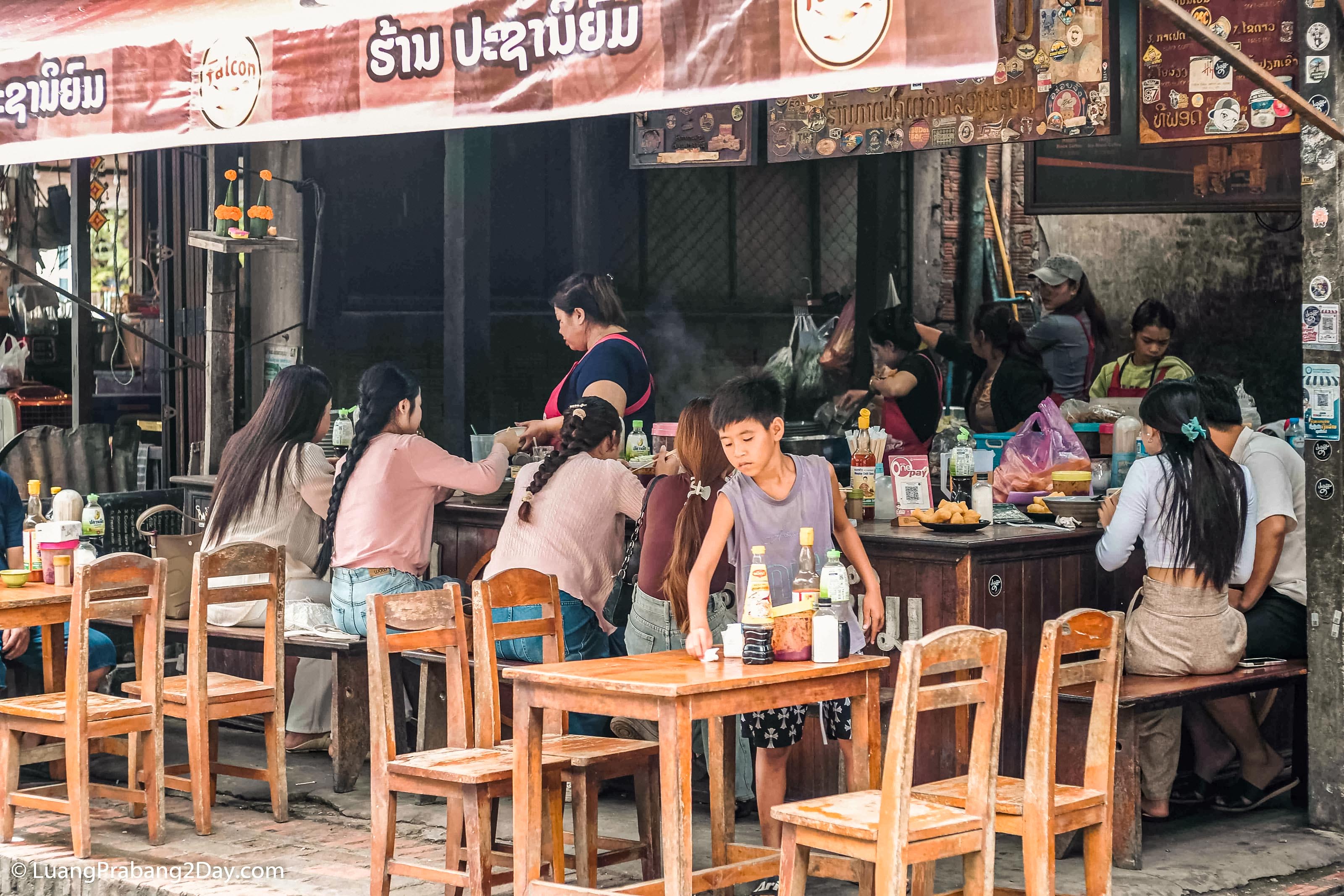
Caption
Family-run eateries continue to serve generations of local residents each morning.
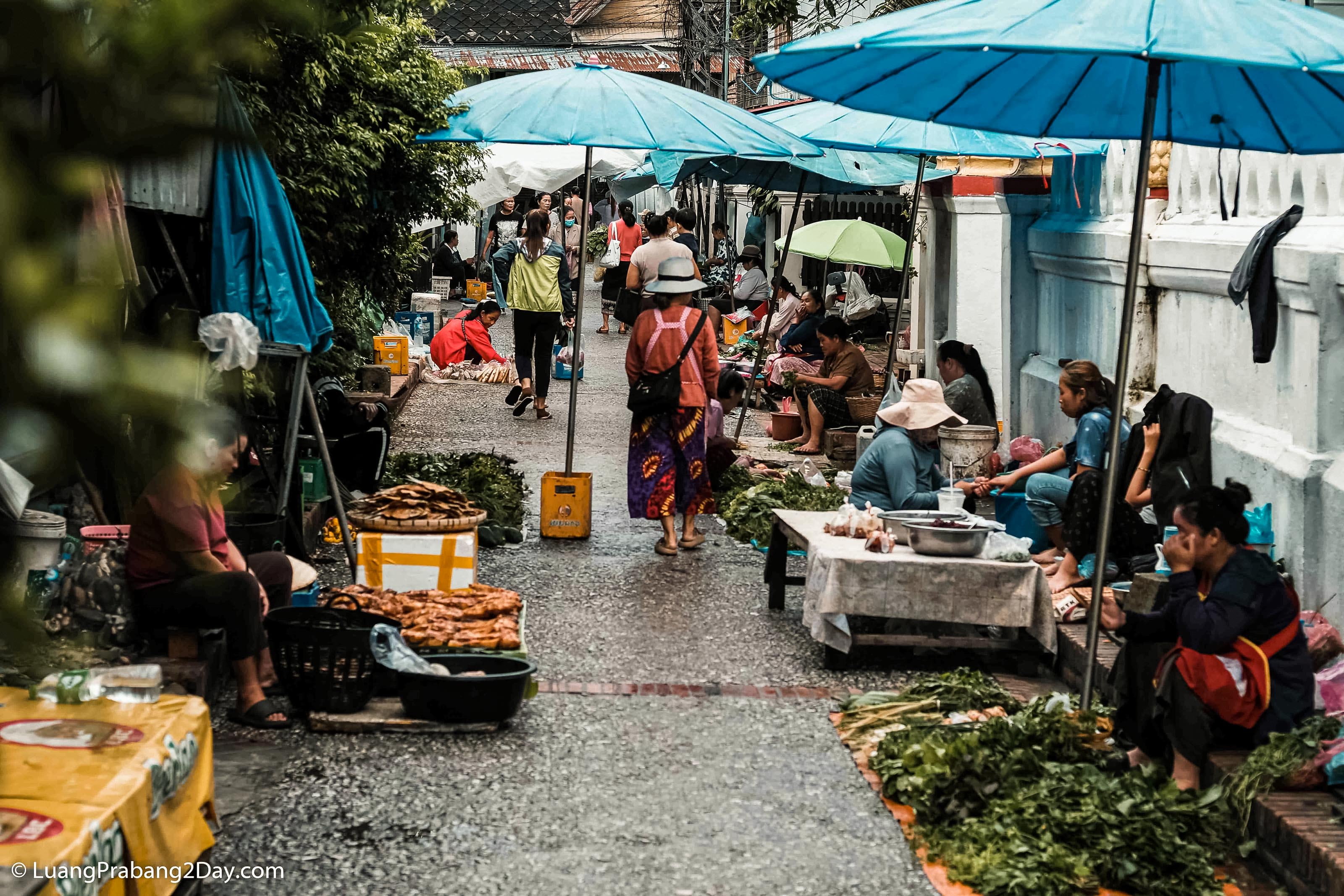
Caption
Morning markets remain essential gathering places where community life begins each day.
Faith Woven into Daily Life
Before sunrise, Buddhist monks quietly walk through the streets collecting alms.
For local residents, this is not a performance for visitors but an everyday expression of generosity, gratitude, and faith.
The ceremony continues because it remains part of daily life.
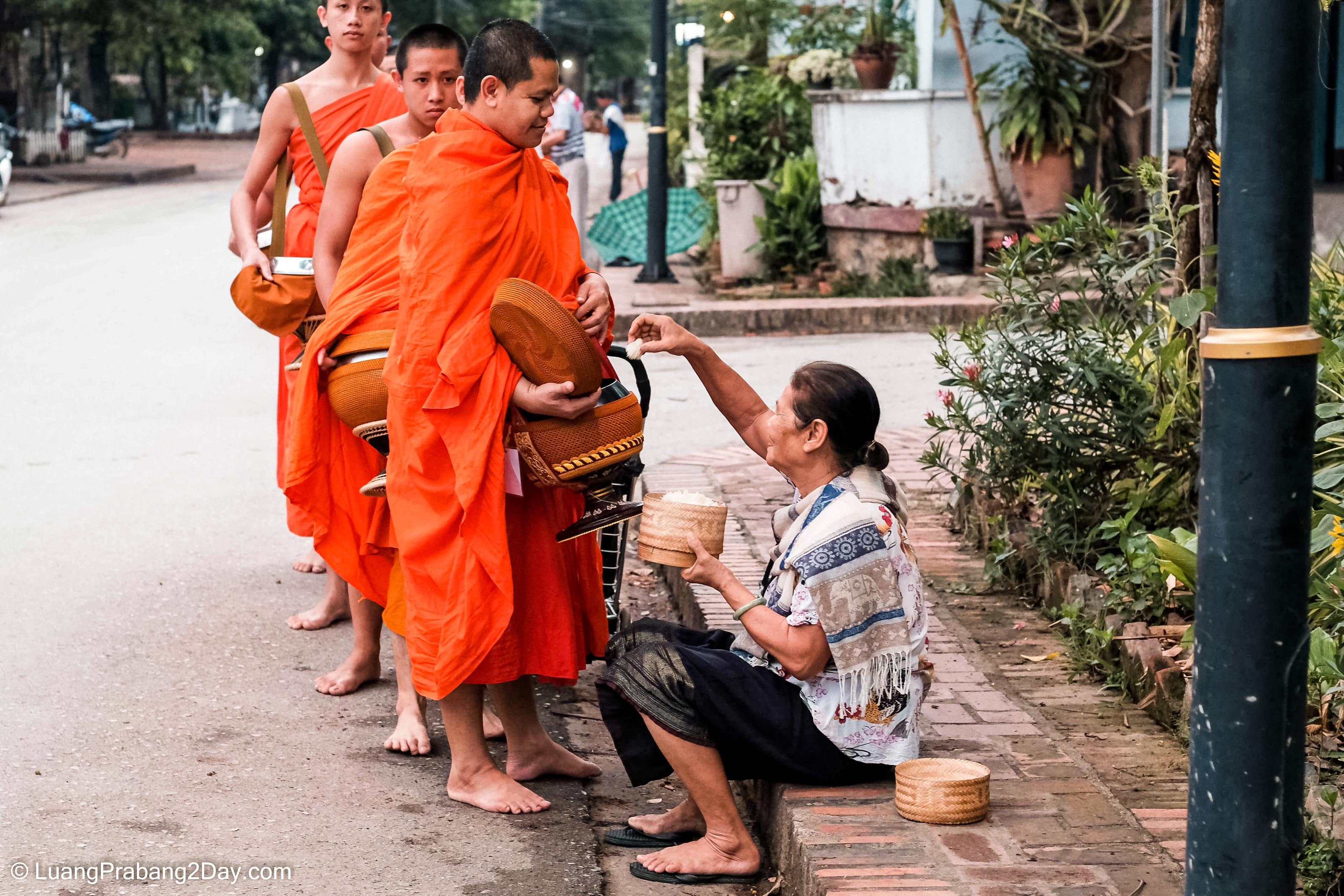
Caption
Morning alms giving continues as a living spiritual tradition practiced by local communities.
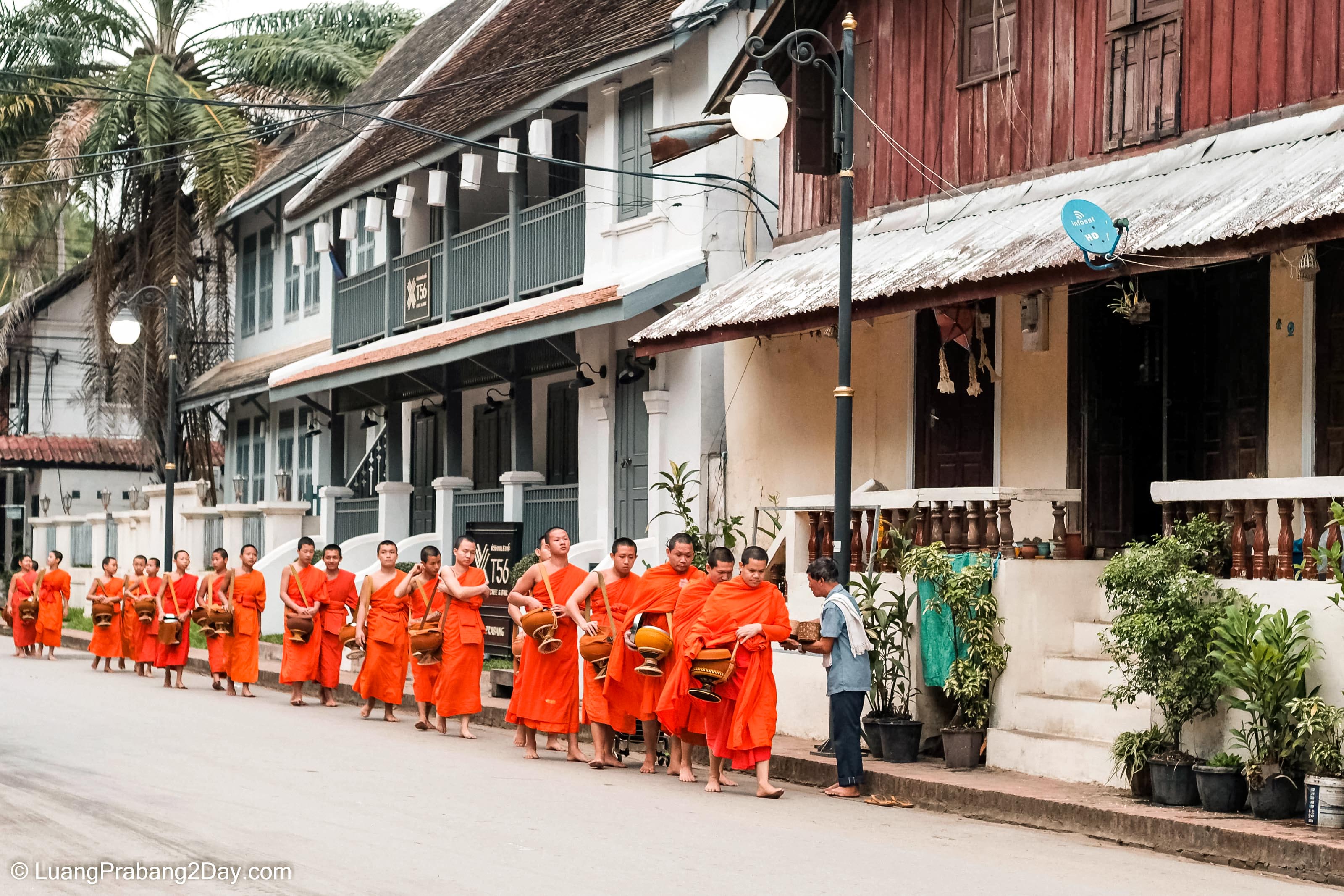
Caption
The daily alms procession remains one of Luang Prabang's most enduring cultural traditions.
Living Heritage
Heritage extends beyond monuments.
It also exists in homes, gardens, neighborhoods, and streets where generations continue to live, work, and raise families.
In Luang Prabang, preservation is not only about protecting buildings—it is about sustaining the relationship between people, place, and tradition.
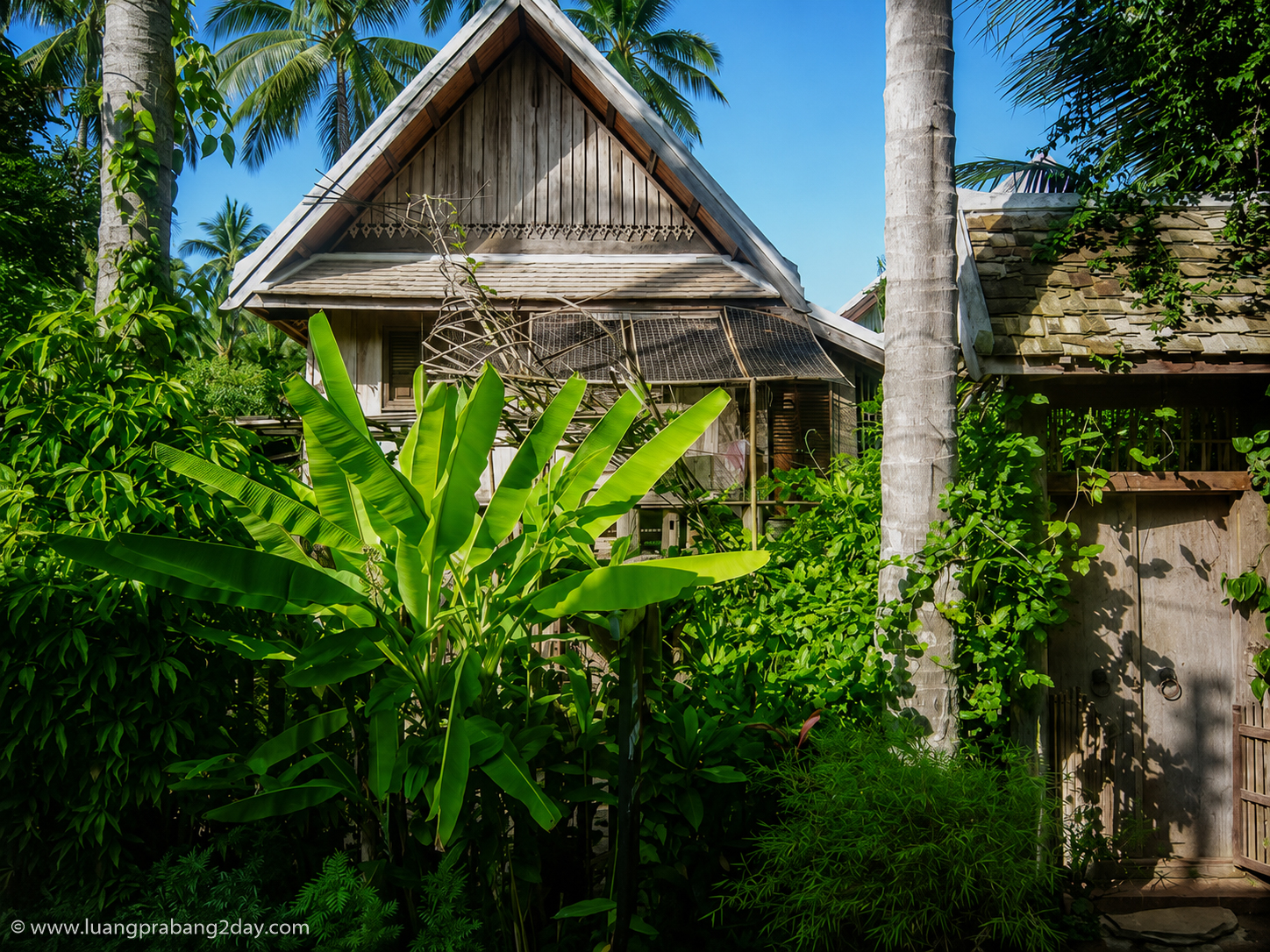
Caption
Traditional homes remain an essential part of Luang Prabang's living cultural landscape.
Beyond Recognition
International recognition may introduce visitors to Luang Prabang.
Rankings may inspire people to visit.
But awards alone cannot explain why so many leave with lasting memories—or why many choose to return.
What stays with visitors is something less measurable.
Quiet mornings beside the Mekong.
The sound of a silversmith's hammer echoing through a family workshop.
The aroma of freshly prepared Lao coffee.
The gentle rhythm of the morning alms procession.
The warmth of wooden homes shaded by tropical trees.
These experiences cannot be measured by rankings.
They are lived.
And that is why Luang Prabang continues to captivate the world.
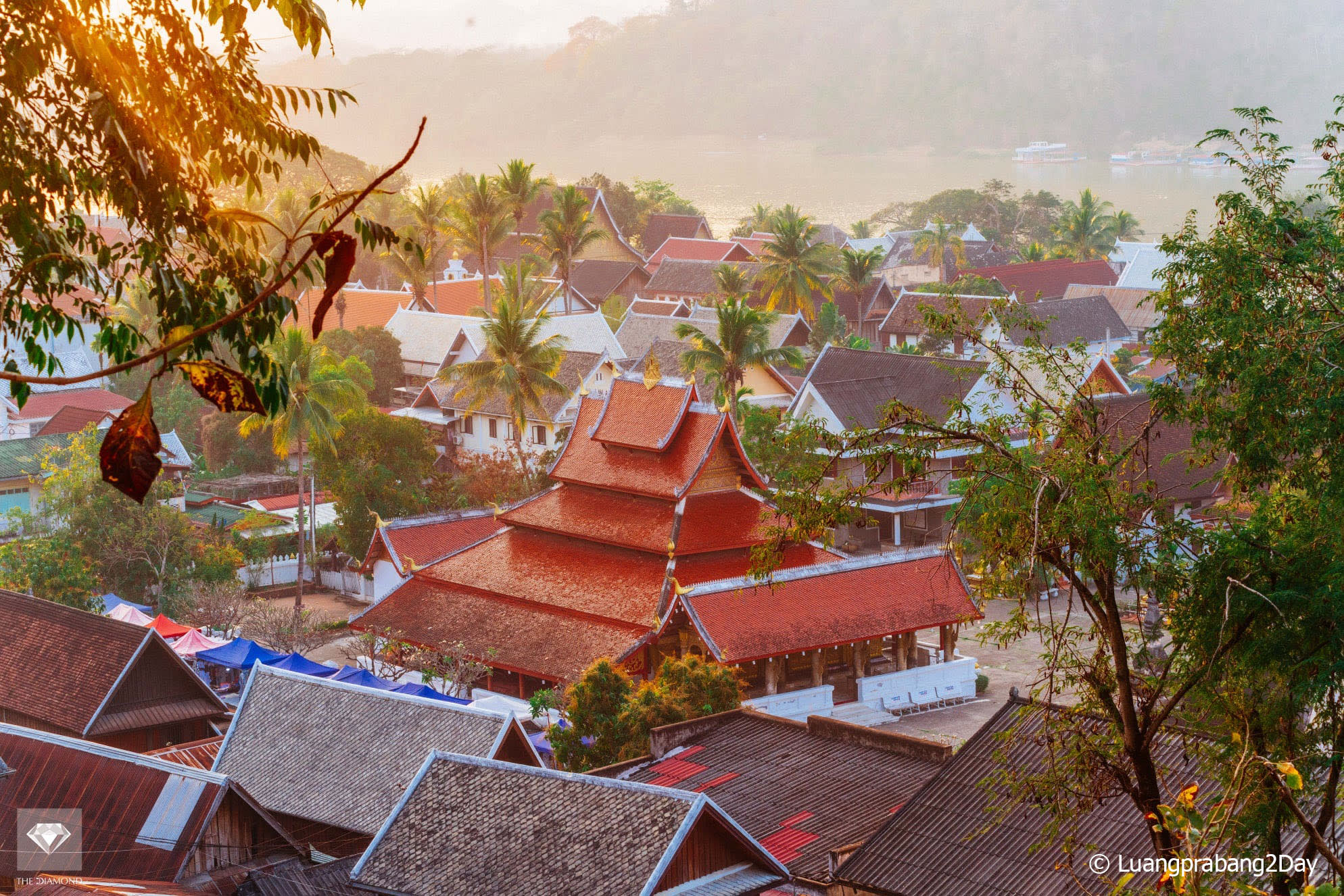
Caption
As evening settles across Luang Prabang, the city's greatest beauty remains not its monuments, but the life that continues among them.
ABOUT THE AUTHOR
Hello We are OddThemes, Our name came from the fact that we are UNIQUE. We specialize in designing premium looking fully customizable highly responsive blogger templates. We at OddThemes do carry a philosophy that: Nothing Is Impossible