The Doors of Luang Prabang How Everyday Architecture Preserves Cultural Memory
The Doors of Luang Prabang
How Everyday Architecture Preserves Cultural Memory
By LuangPrabang2Day
Introduction
In Luang Prabang, a door is rarely just a door.
Every shutter, carved panel, weathered frame, and iron handle tells a story that extends beyond architecture. Together, they form a living archive of craftsmanship, climate, religion, and everyday life. While visitors often admire the city's temples and quiet streets, it is these overlooked details that preserve the character of a UNESCO World Heritage city.
The architecture of Luang Prabang is neither entirely Lao nor entirely colonial. Instead, it represents generations of adaptation, where traditional timber construction, French urban planning, Buddhist symbolism, and tropical design evolved into a unique architectural language.
This photo essay explores that language through the city's doors, windows, shutters, and decorative details.
1. Every Door Holds a Story
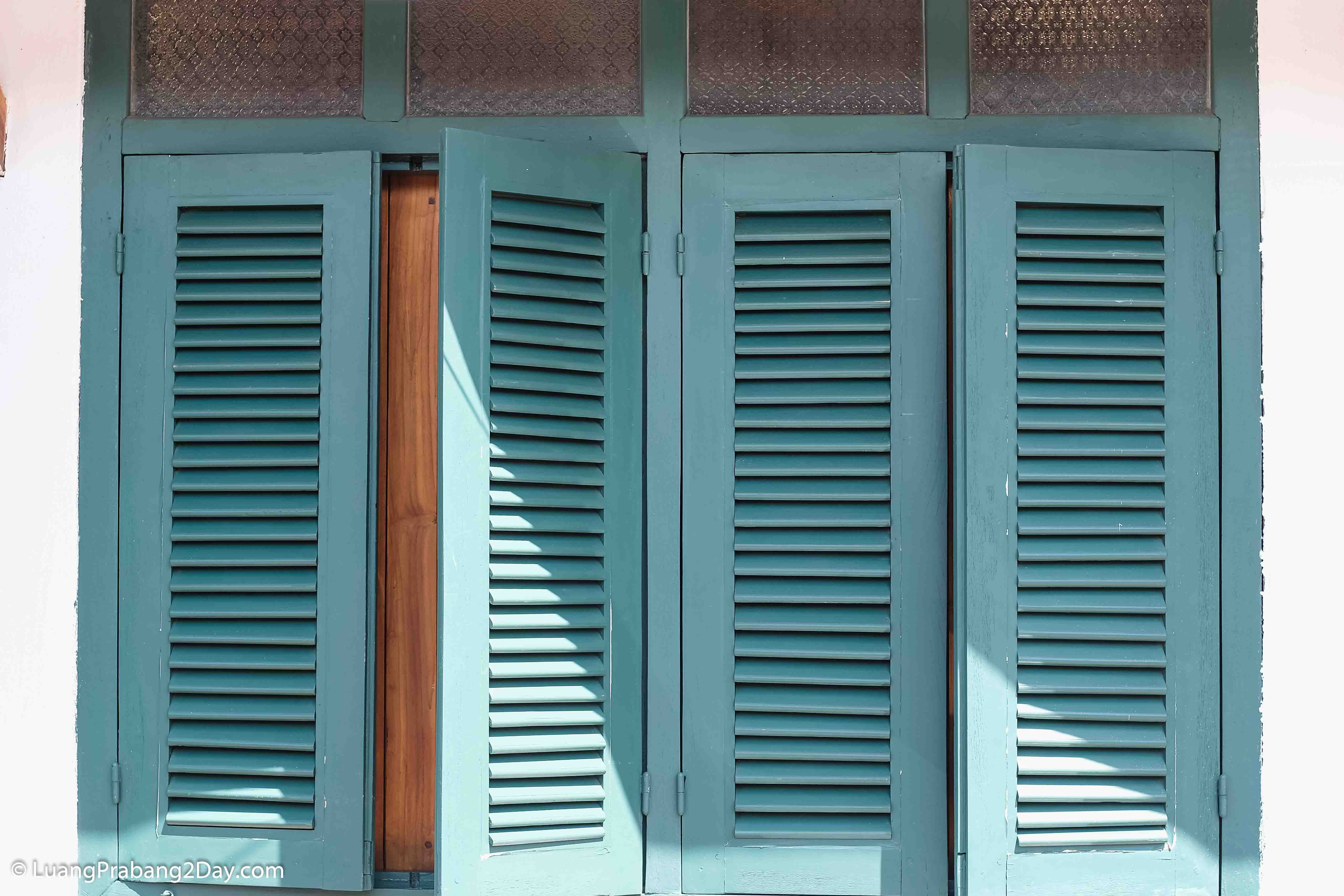
A slightly opened shutter invites curiosity. In Luang Prabang, architecture is not simply preserved—it continues to be lived in, one doorway at a time.
2. A Streetscape Designed for Generations
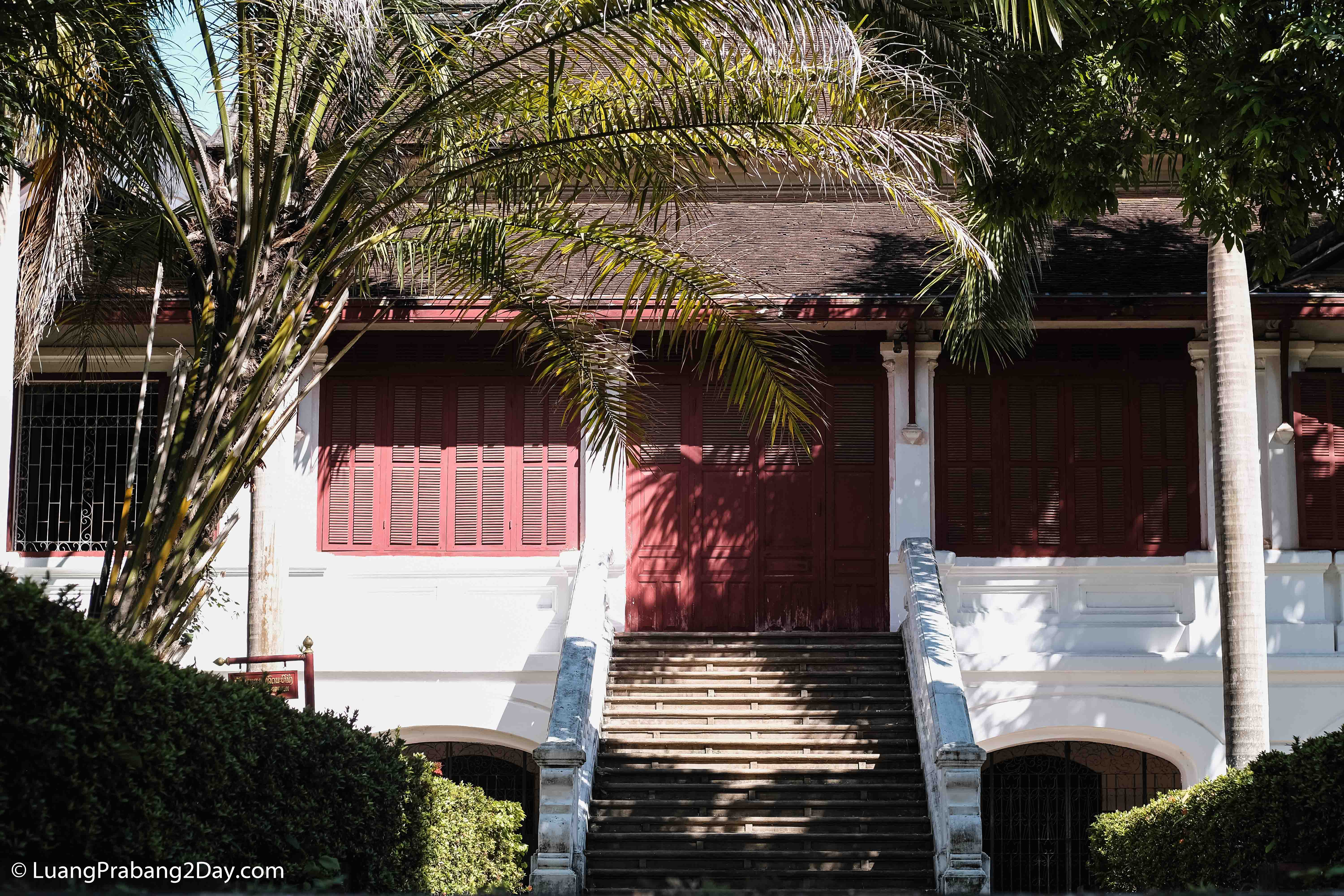
Caption
The elegance of Luang Prabang lies in harmony. Buildings, gardens, staircases, and shutters work together to create a streetscape that has changed little for generations.
3. Climate Shapes Architecture
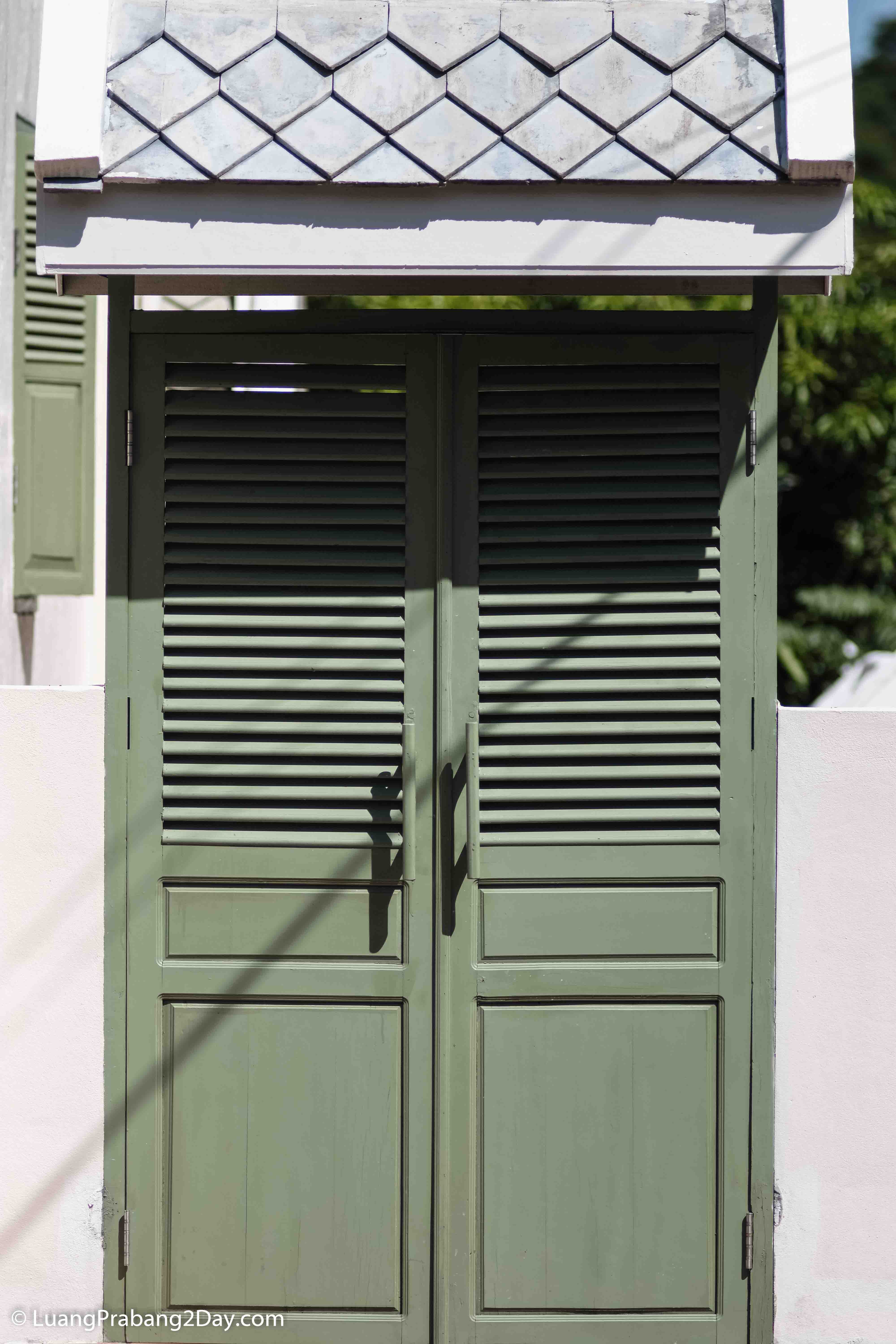
Louvered shutters allow air to circulate while reducing direct sunlight—a practical solution that became one of the defining visual features of the city.
4. Light Through Wooden Shutters
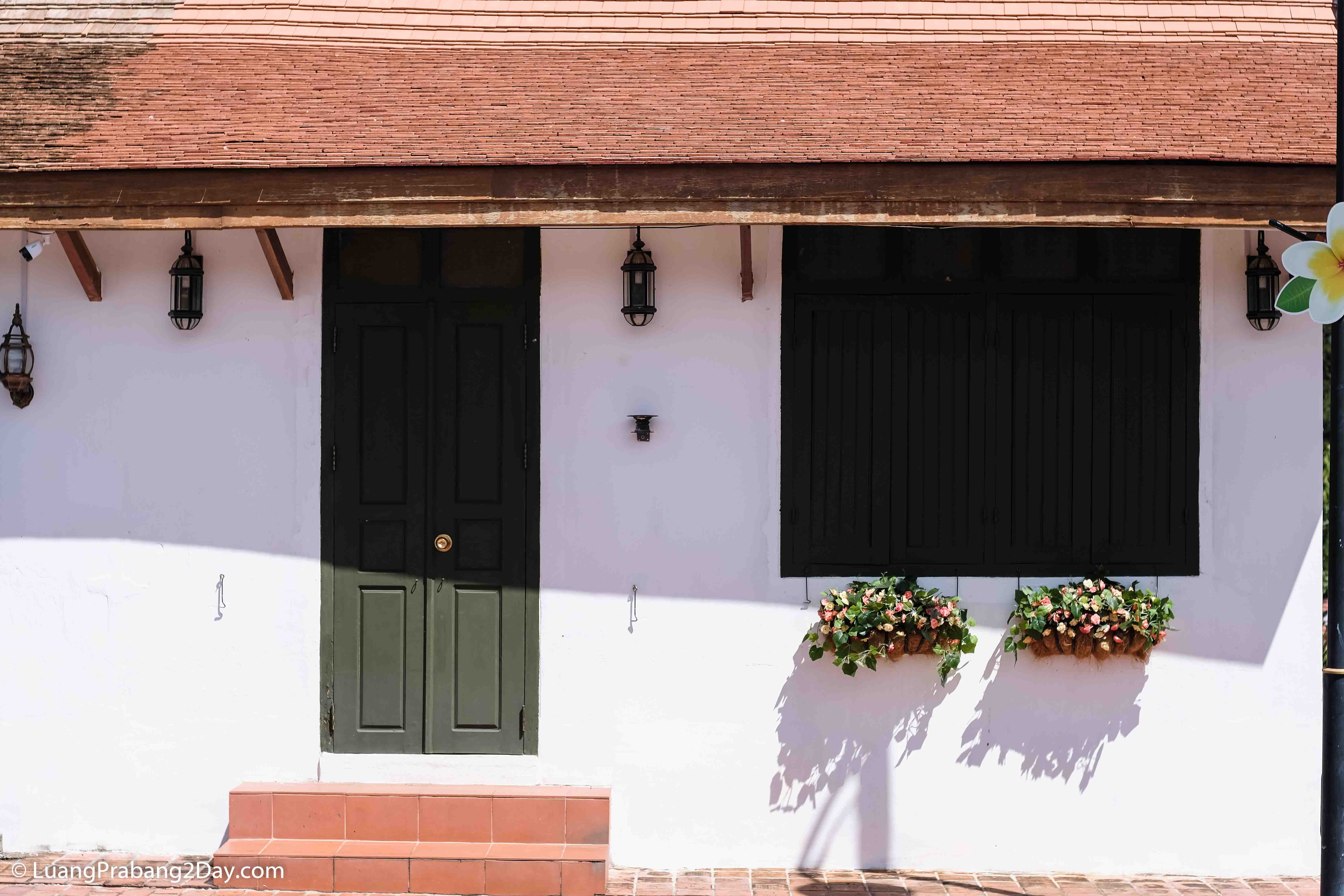
Morning sunlight transforms simple wooden shutters into architectural compositions of rhythm, shadow, and colour.
5. The Rhythm of the Street
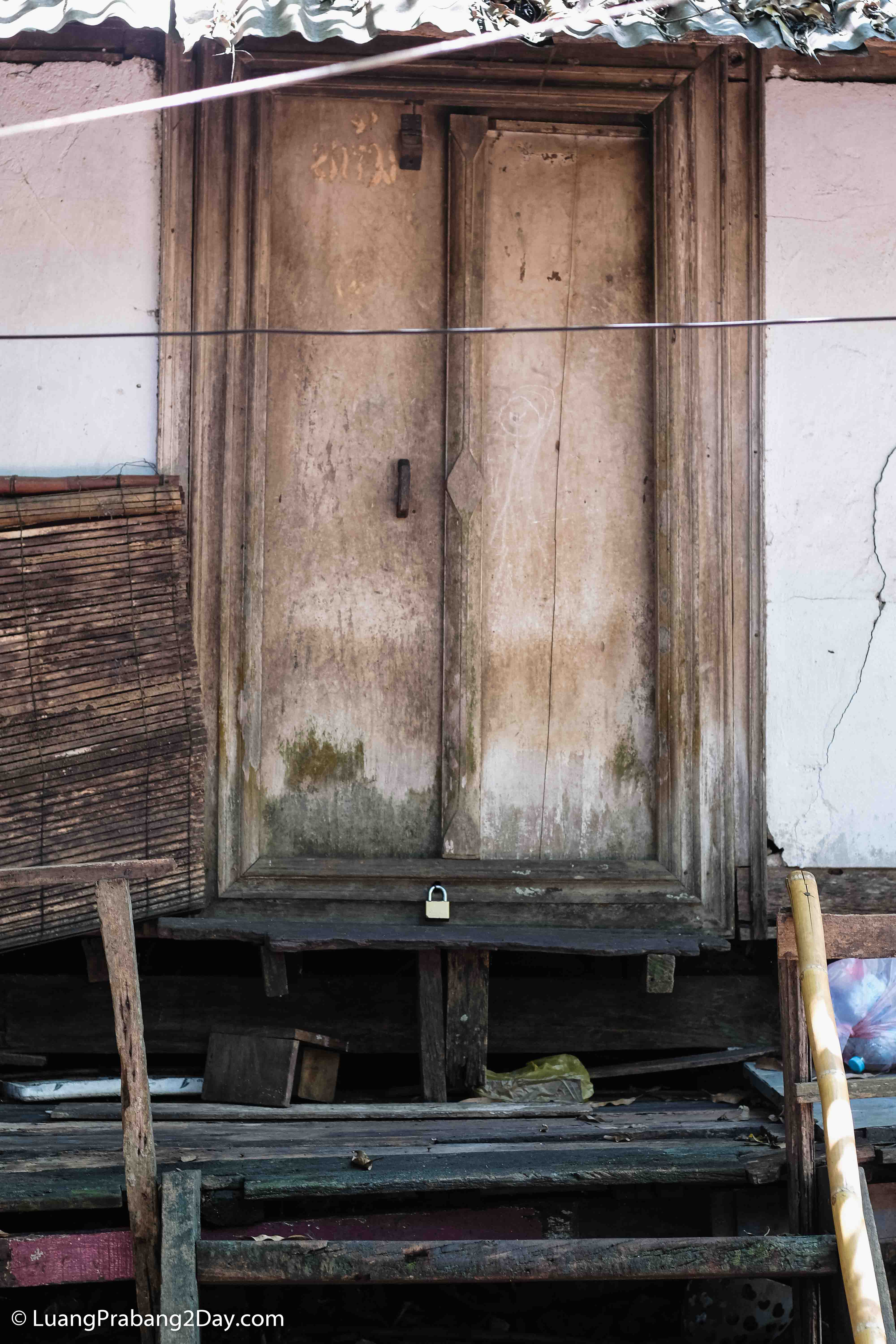
Caption
Repeated doors create visual order. The beauty of Luang Prabang emerges not from individual buildings, but from the harmony between them.
6. Time Written on Wood
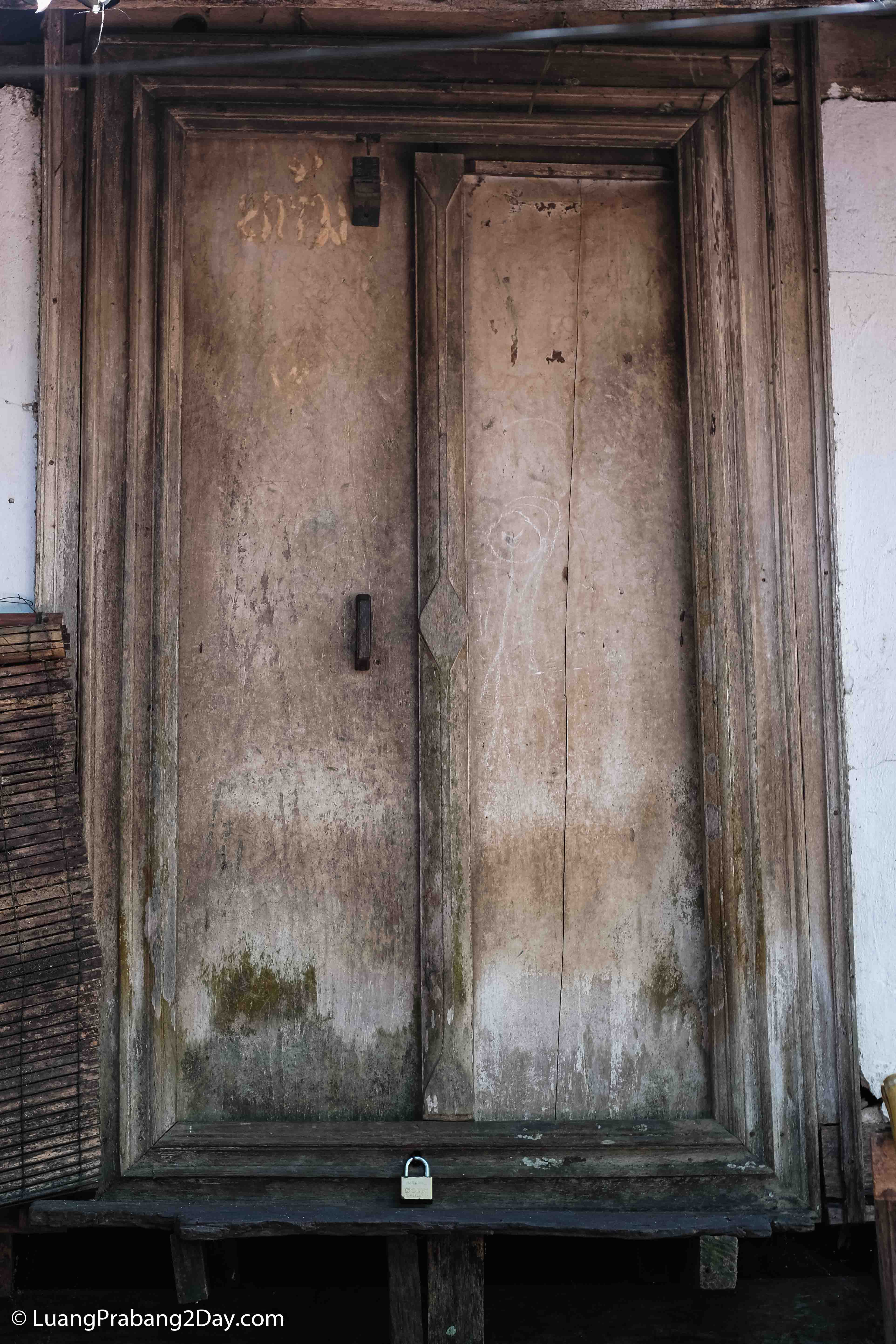
Rain, sunlight, and countless hands have left their mark on this timber. The weathering itself has become part of the city's cultural memory.
7. Hardware That Endures
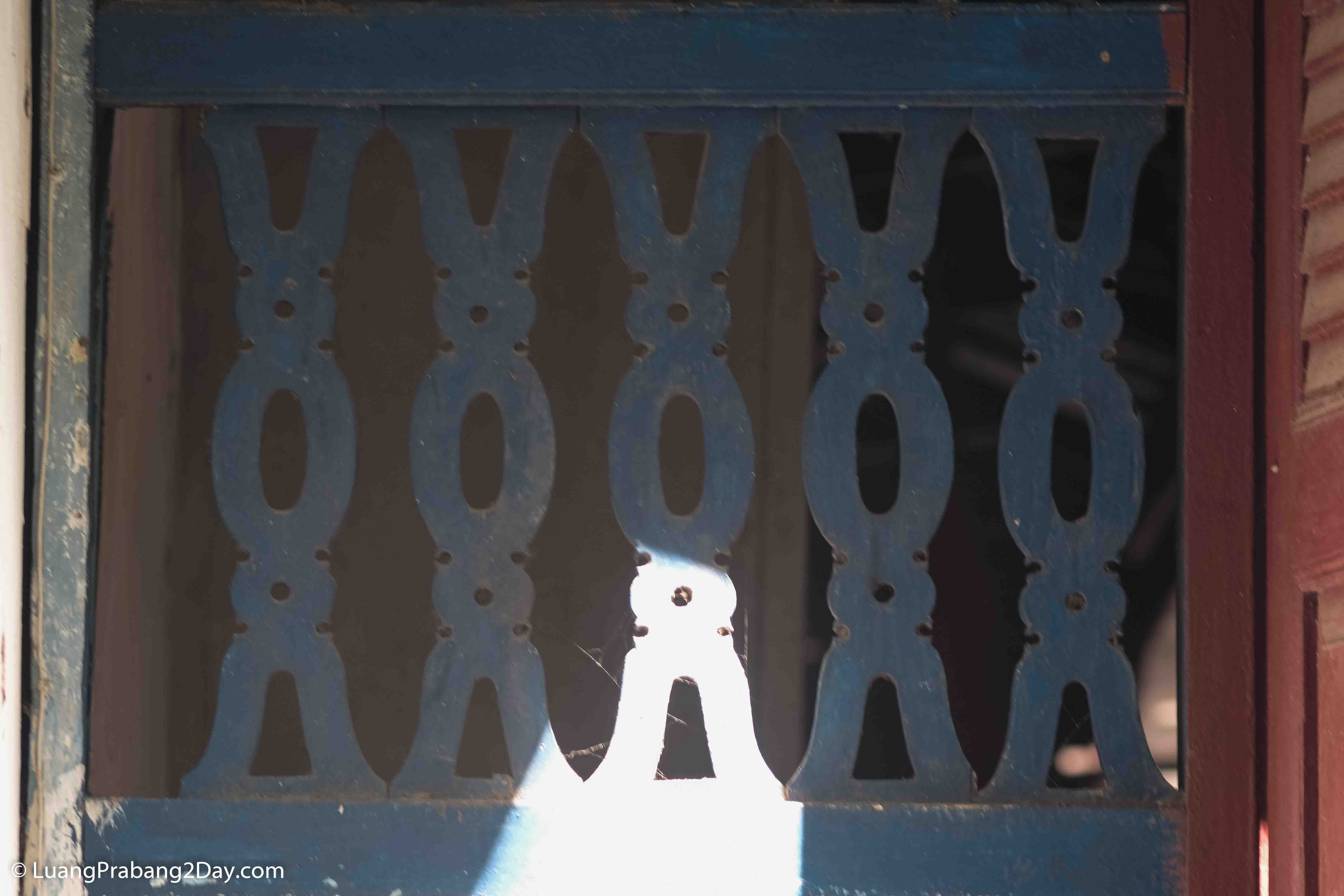
Iron locks and handcrafted fittings reveal that even the smallest architectural elements contribute to the city's identity.
8. Quiet Witnesses of History
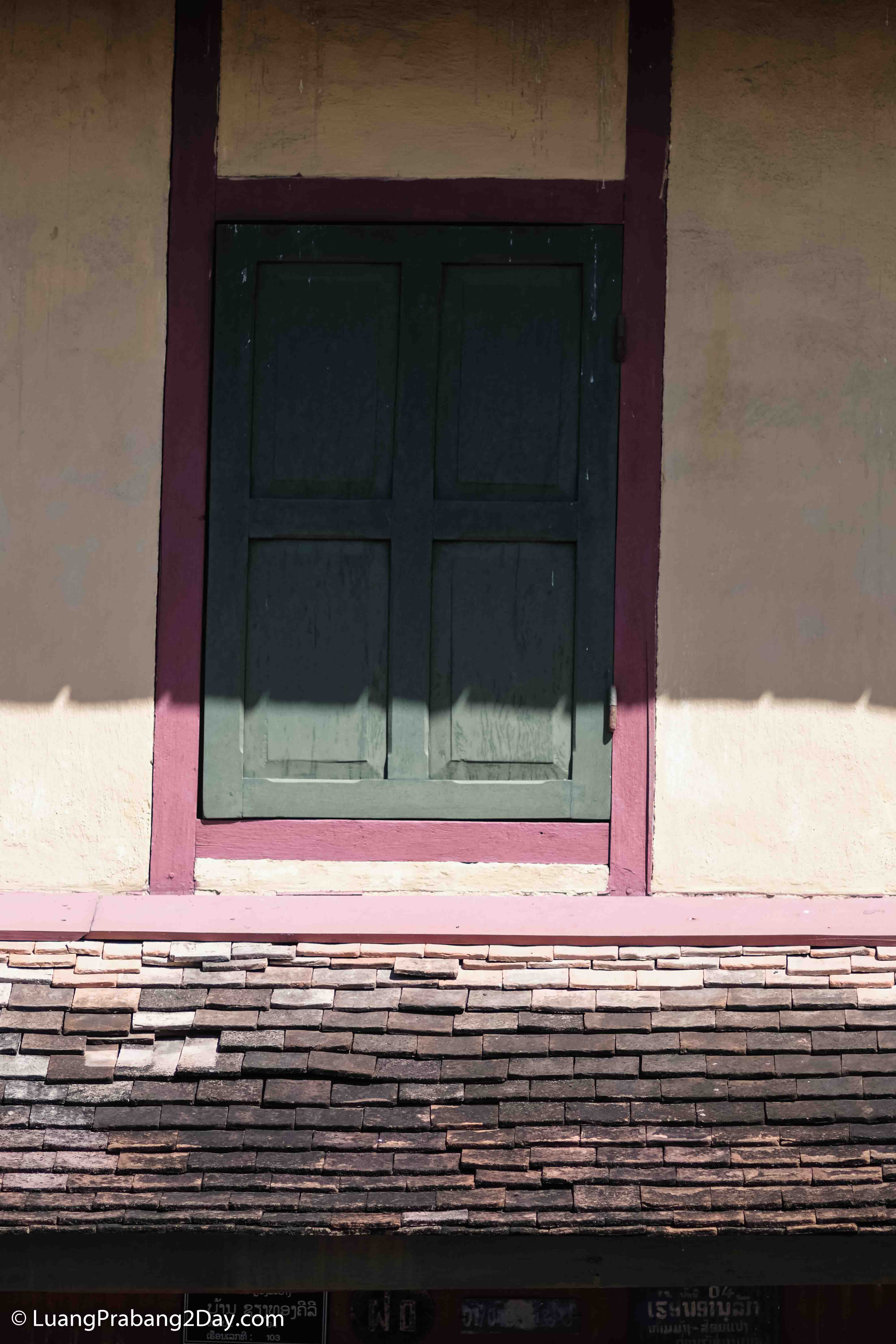
Caption
Some doors no longer open each day, yet they continue to tell stories about families, neighbourhoods, and changing generations.
9. The Texture of Heritage
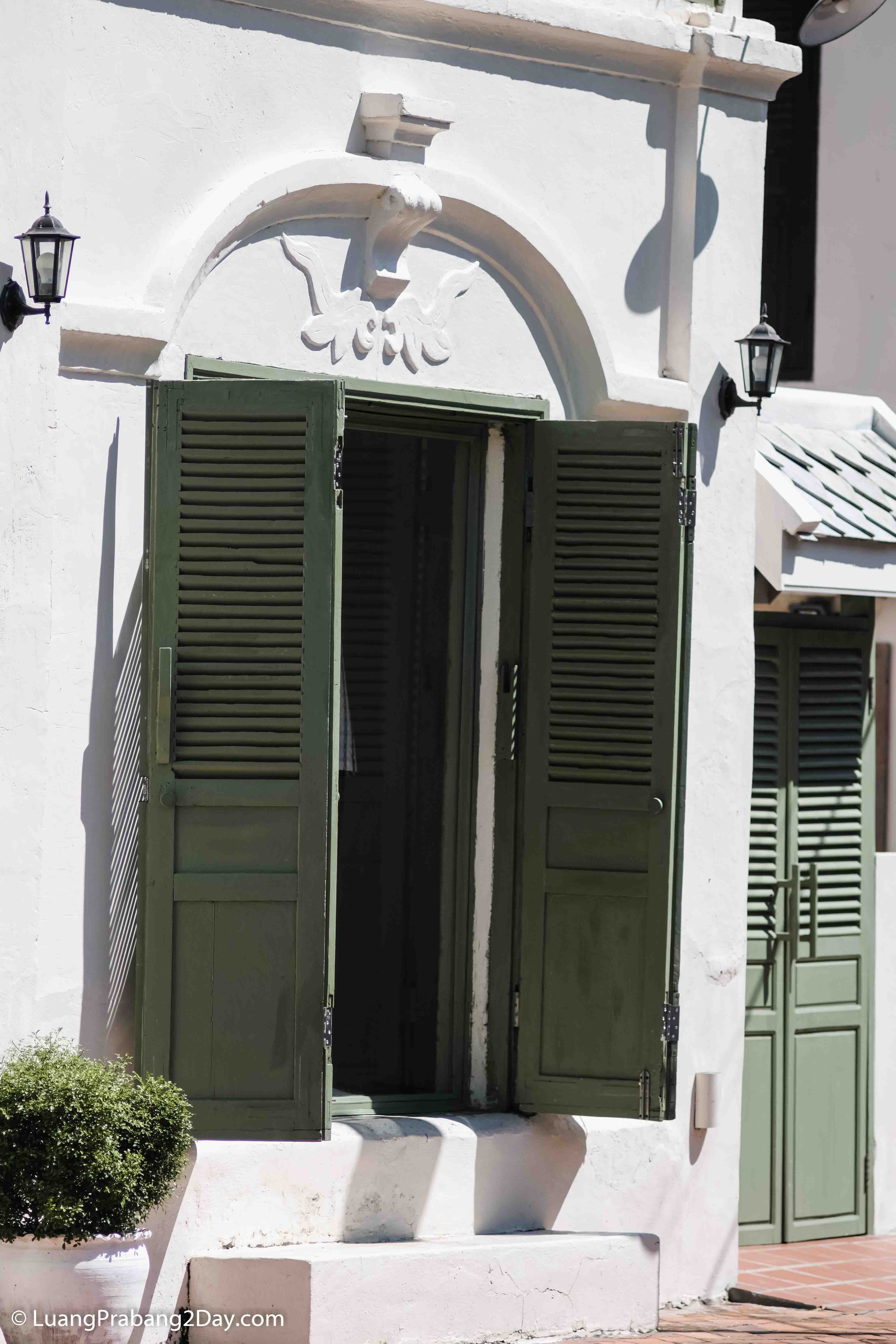
Historic architecture is not defined by perfection, but by the richness of materials shaped through time.
10. Geometry in Everyday Design
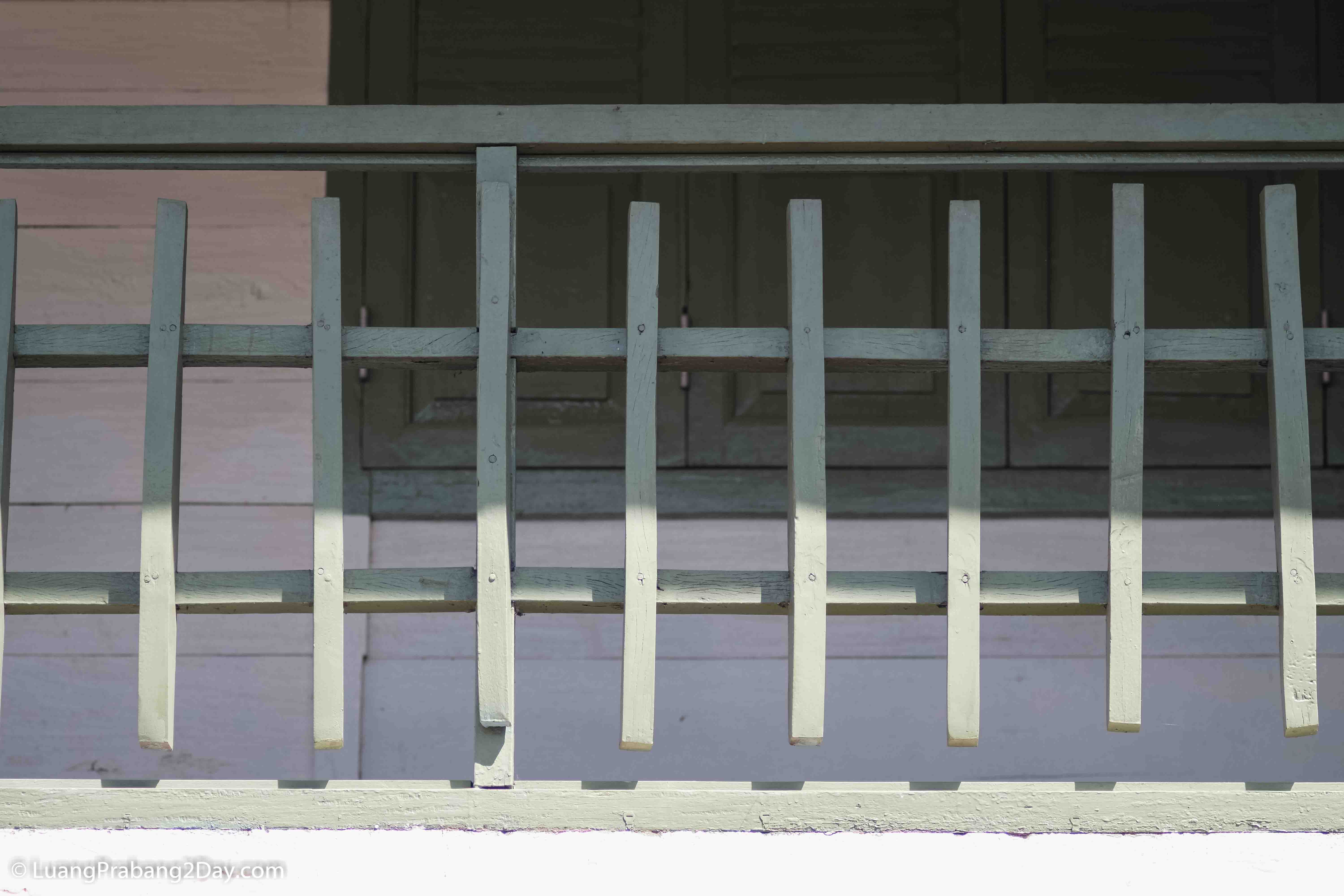
Even the simplest balcony reflects thoughtful proportions, creating visual balance throughout the historic streets.
11. The Language of Woodcarving
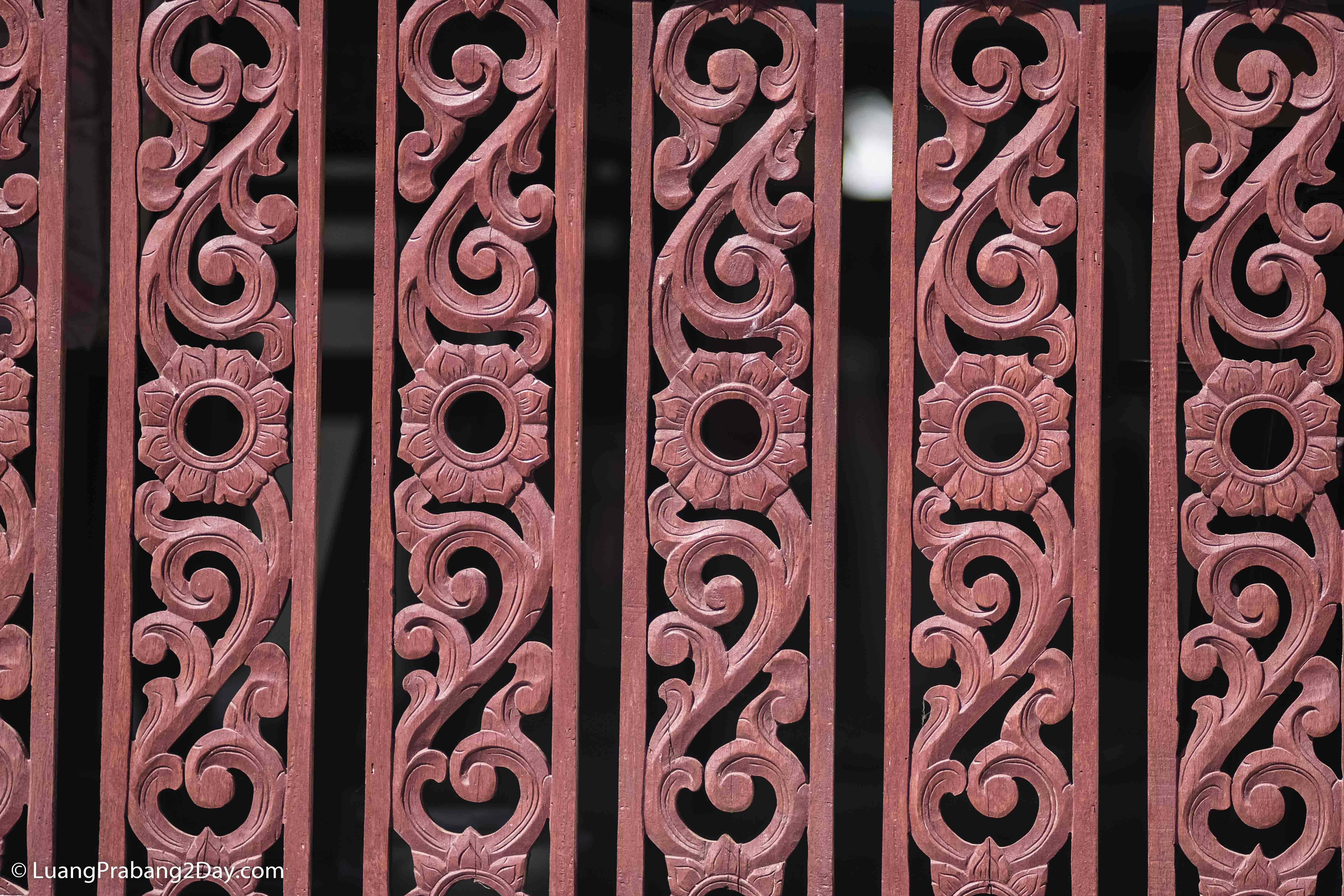
Hand-carved ornament transforms structural elements into works of art, preserving techniques passed down through generations.
12. Sacred Thresholds
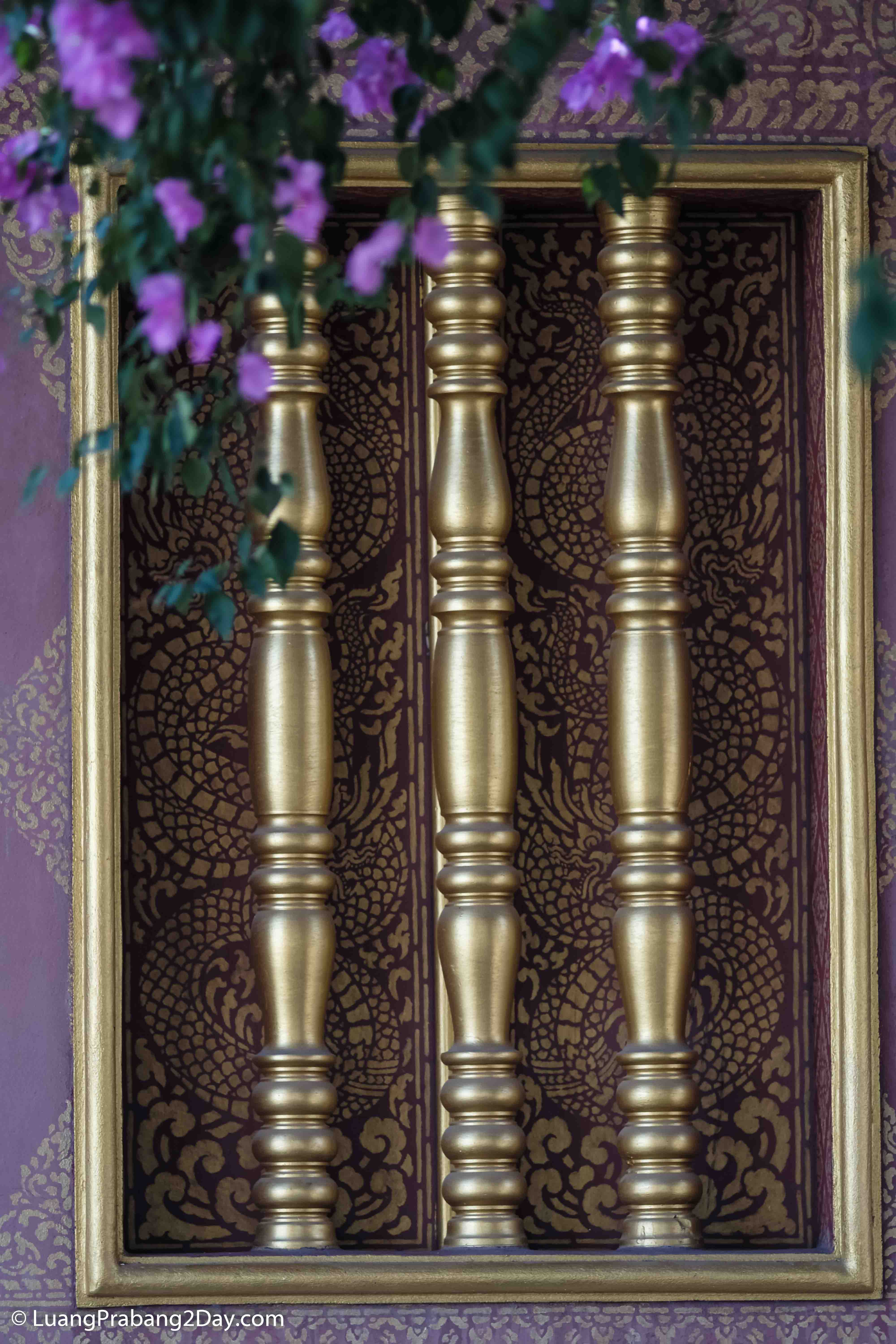
Temple doors mark the transition between everyday life and sacred space, where craftsmanship serves both beauty and devotion.
13. Windows of Faith
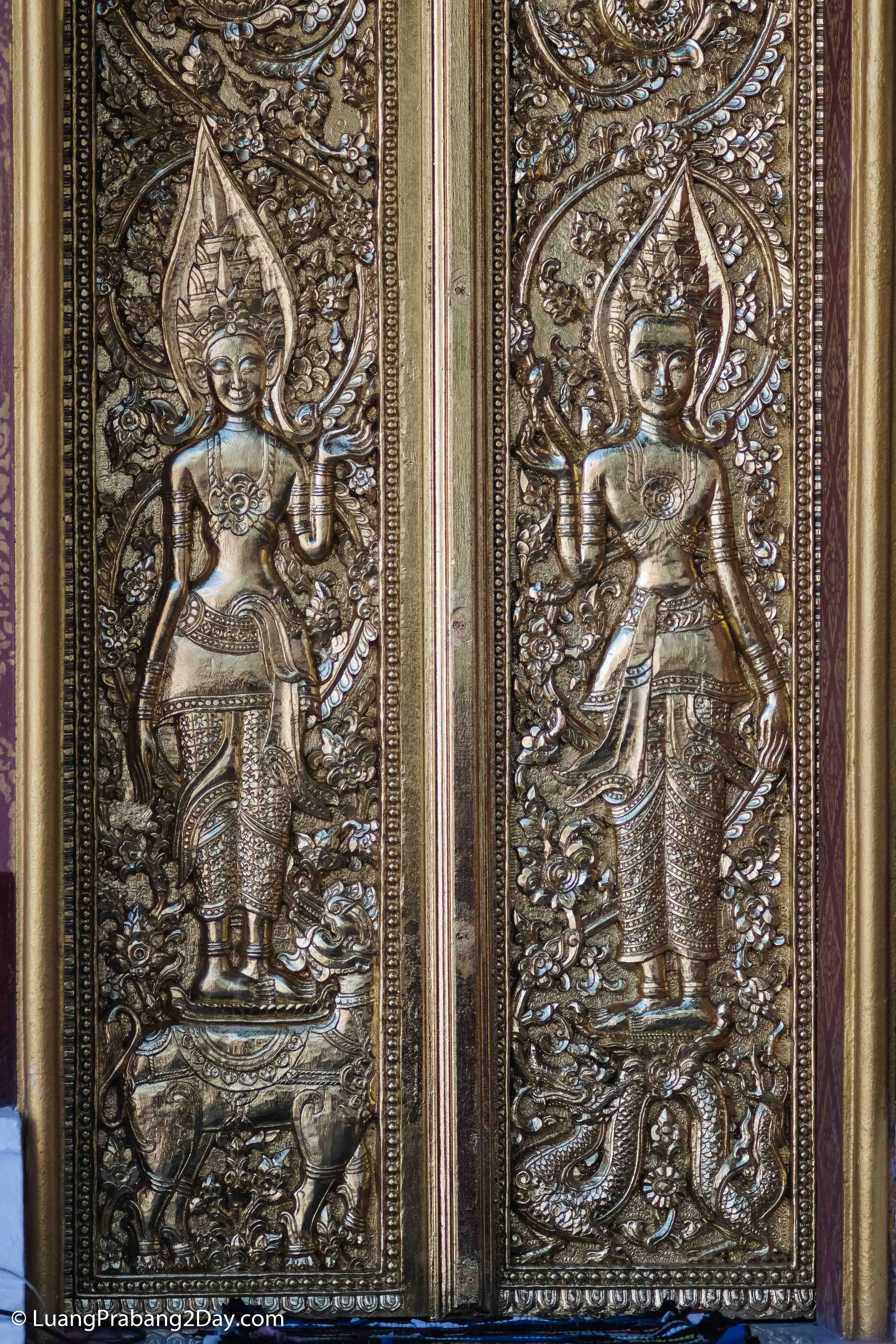
Caption
Gold, purple, and carved columns create a visual language rooted in Buddhist symbolism and Lao artistic tradition.
14. Framing Light
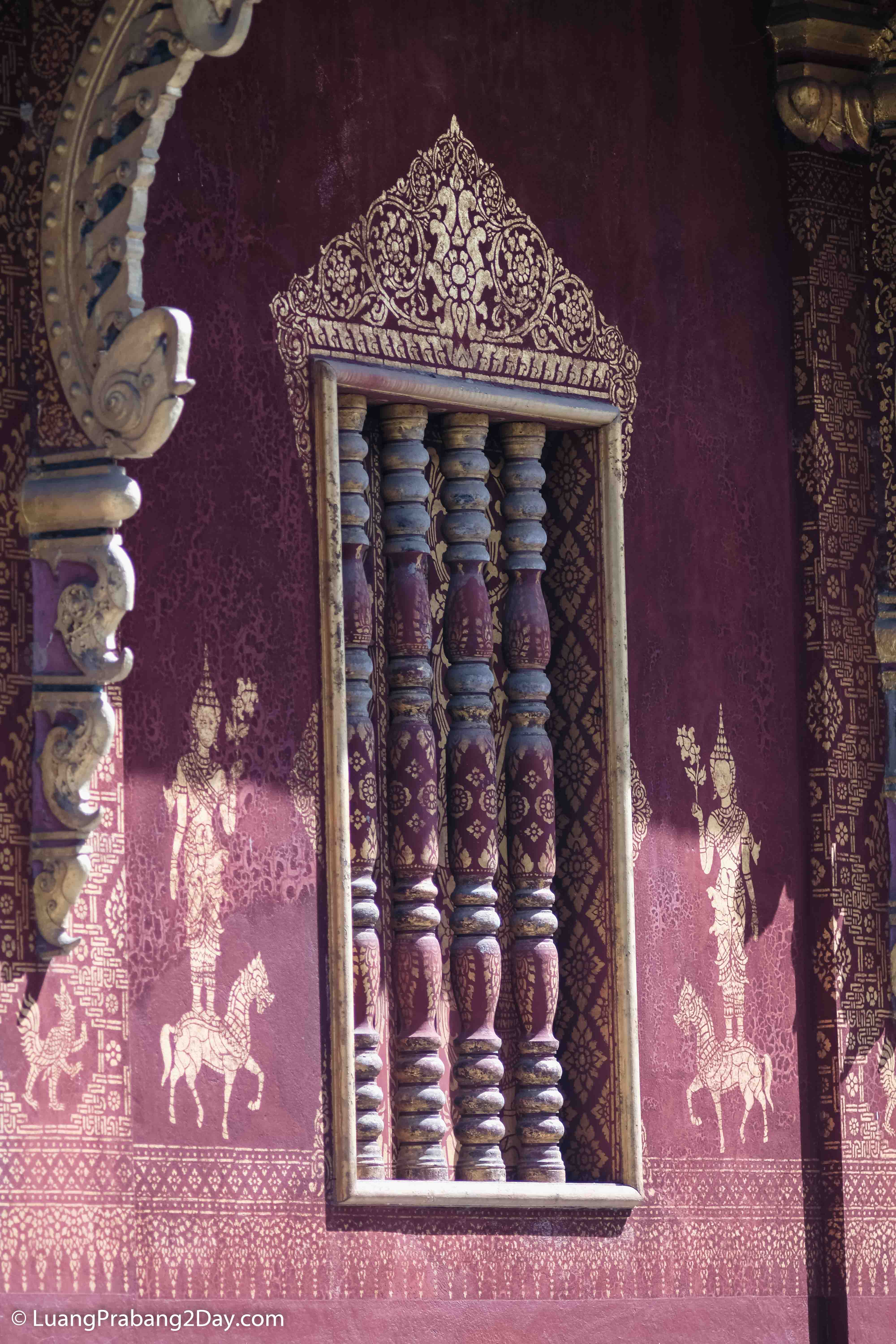
Temple windows shape light as carefully as they frame architecture, turning sunlight into part of the sacred experience.
15. Details Worth Preserving
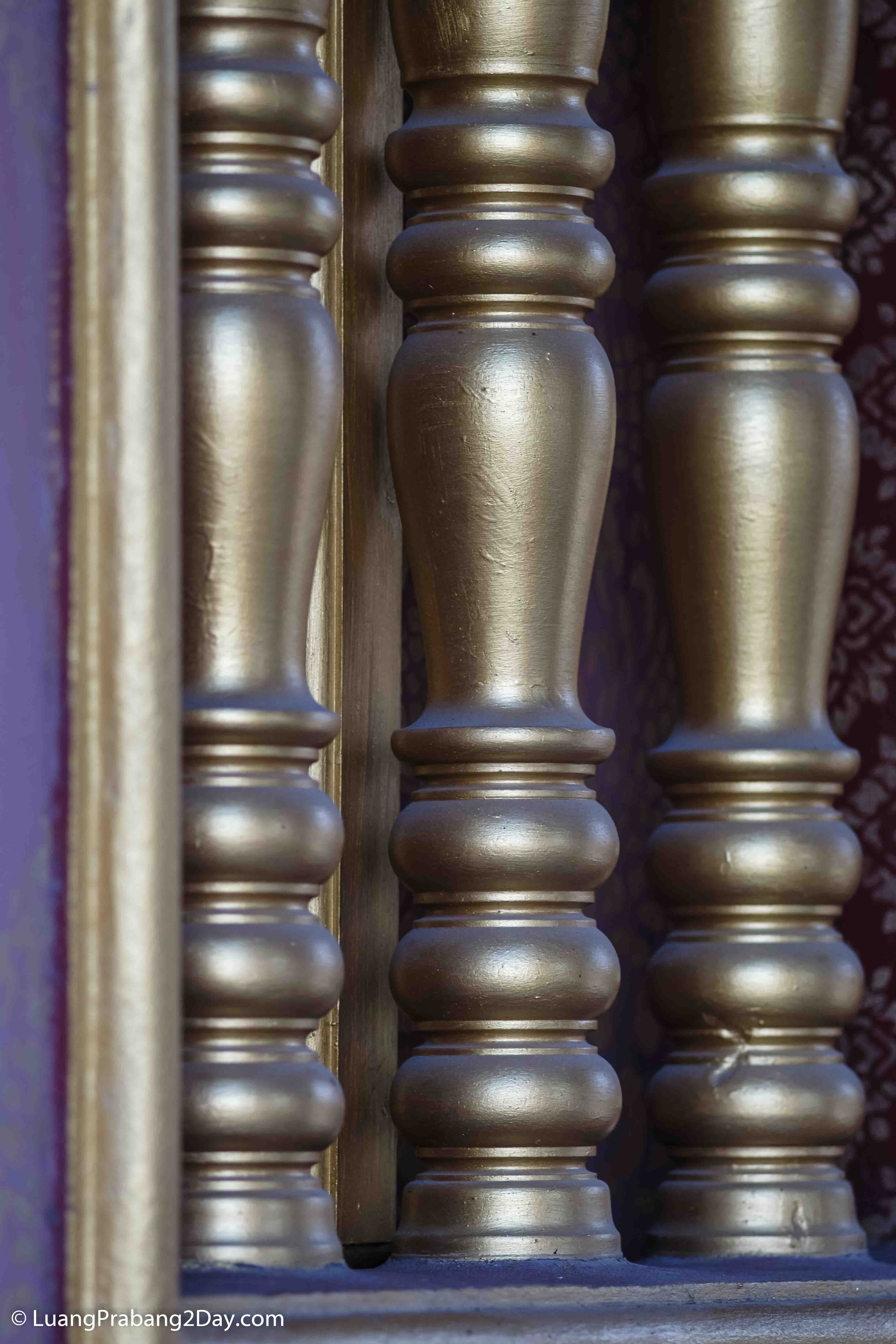
Looking closely reveals the remarkable precision of artisans whose work is often overlooked by passing visitors.
16. Screens Between Worlds
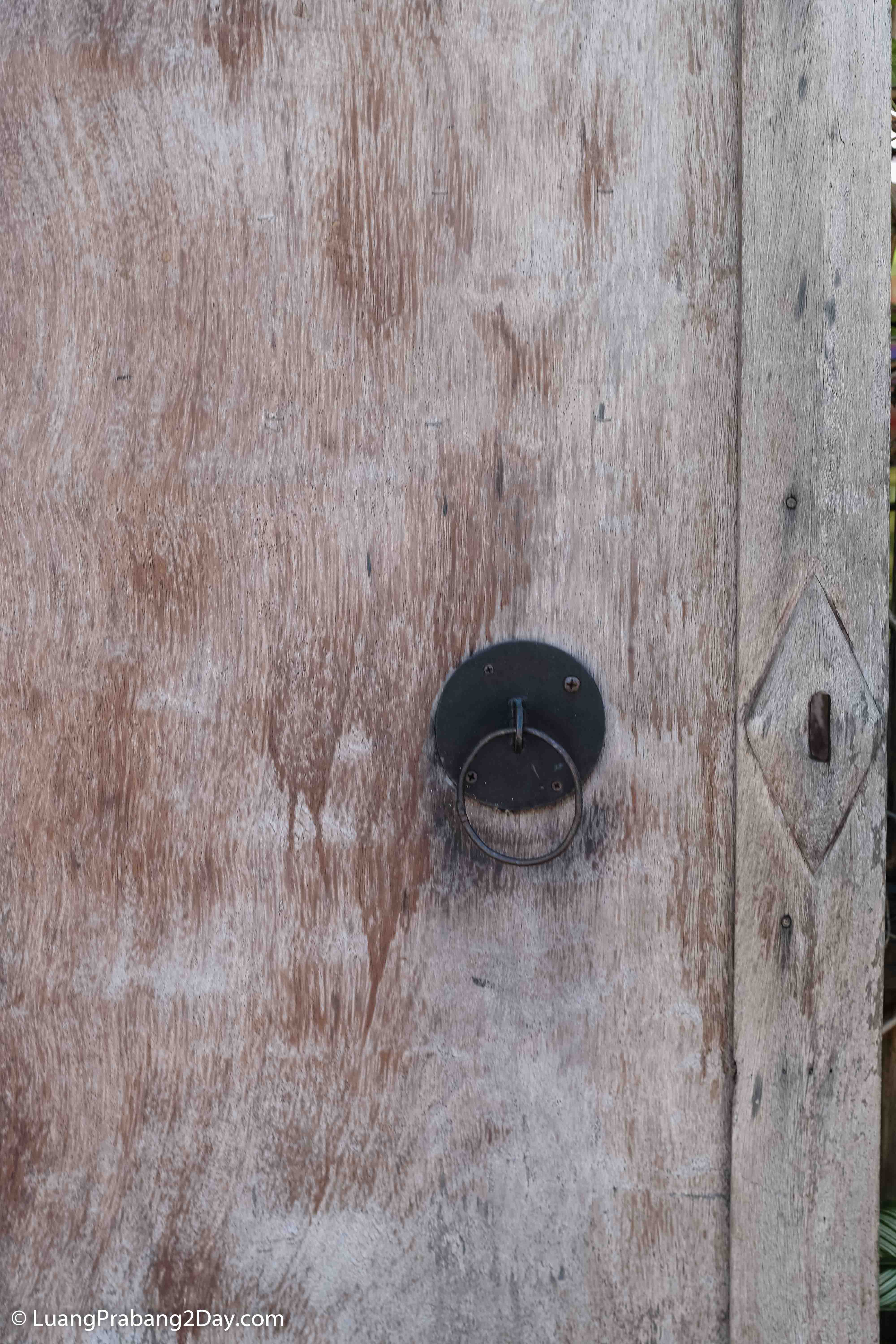
Wooden screens provide ventilation, privacy, and beauty simultaneously—an elegant response to climate and culture.
17. Windows Above the Street
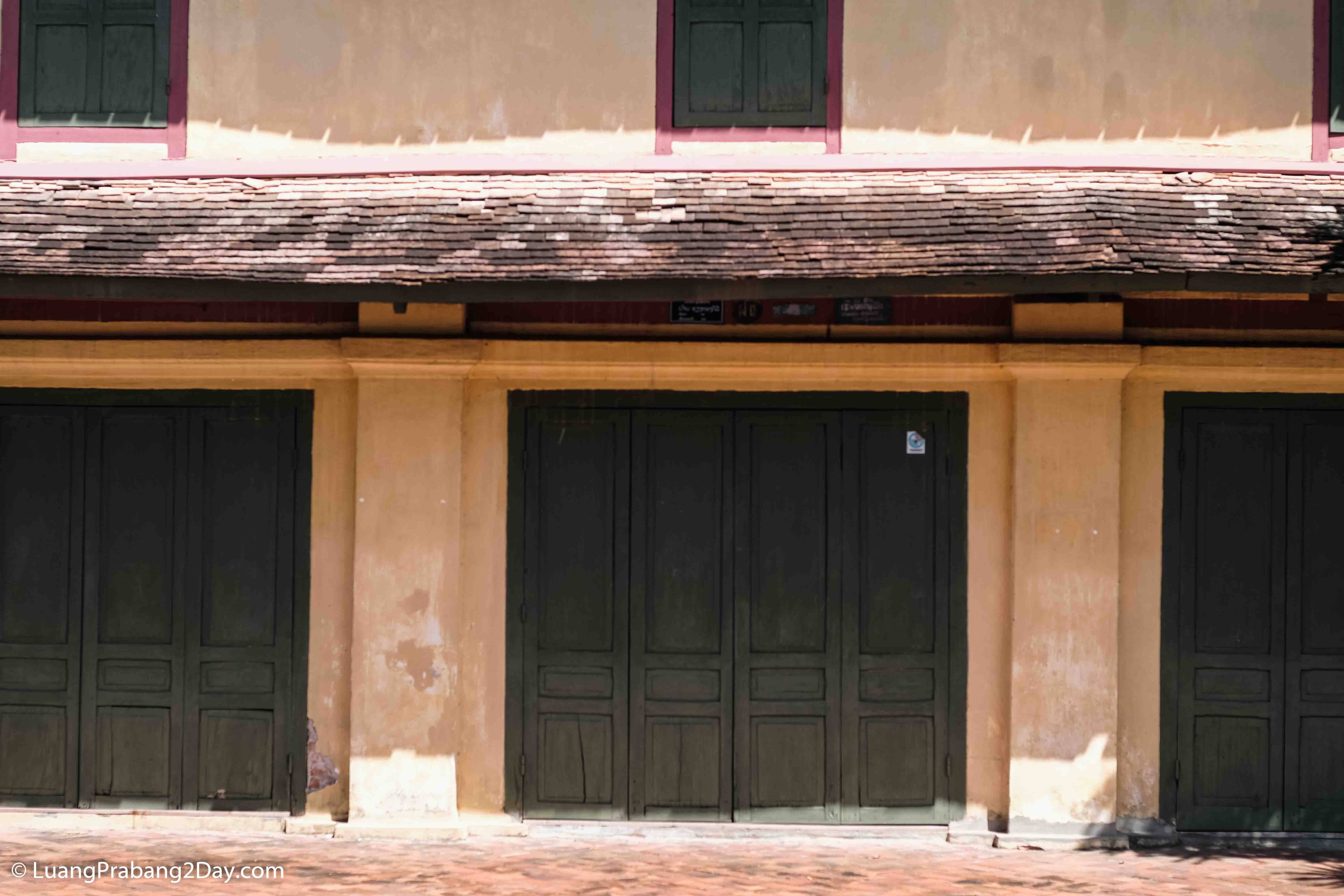
Upper-story windows quietly overlook the streets below, connecting private homes with the life of the city.
18. Beyond the Doorway
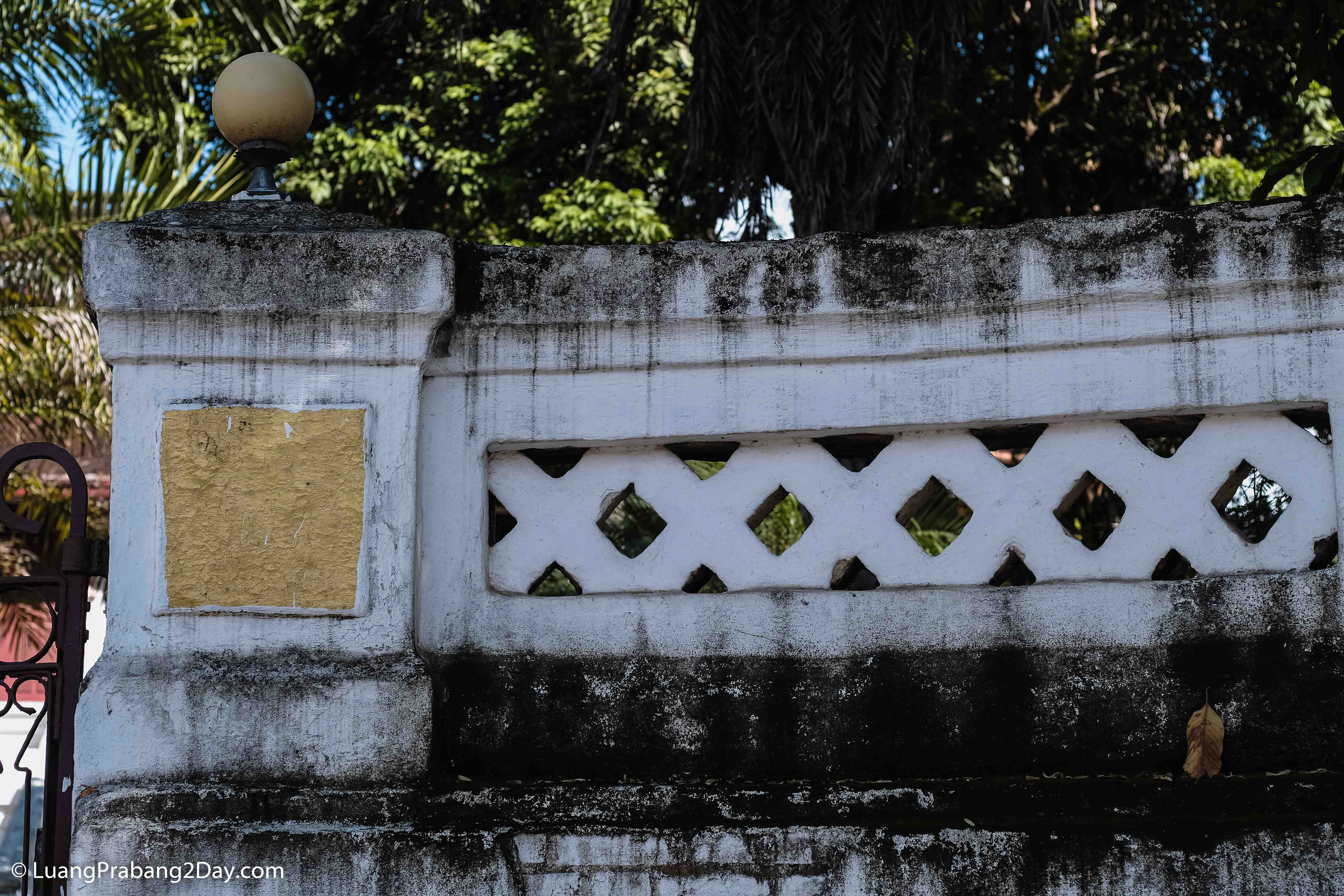
Even boundary walls participate in the city's architectural language, repeating geometric forms found throughout Luang Prabang.
Conclusion
Architecture as Cultural Memory
The identity of Luang Prabang is not preserved solely within its temples or royal buildings.
It survives in the quiet details of everyday architecture: the worn timber polished by generations of hands, the carved balustrades shaped by master craftsmen, the shutters that respond to tropical light, and the windows that continue to frame daily life much as they have for more than a century.
These elements are rarely the focus of guidebooks, yet together they define the city's visual character.
To walk through Luang Prabang is to move through an open-air archive where architecture is not frozen in time, but continuously inhabited, maintained, and remembered.
Every door, every shutter, and every carved detail reminds us that cultural heritage is preserved not only through monuments, but through the ordinary buildings that quietly shape everyday life.
ABOUT THE AUTHOR
Hello We are OddThemes, Our name came from the fact that we are UNIQUE. We specialize in designing premium looking fully customizable highly responsive blogger templates. We at OddThemes do carry a philosophy that: Nothing Is Impossible