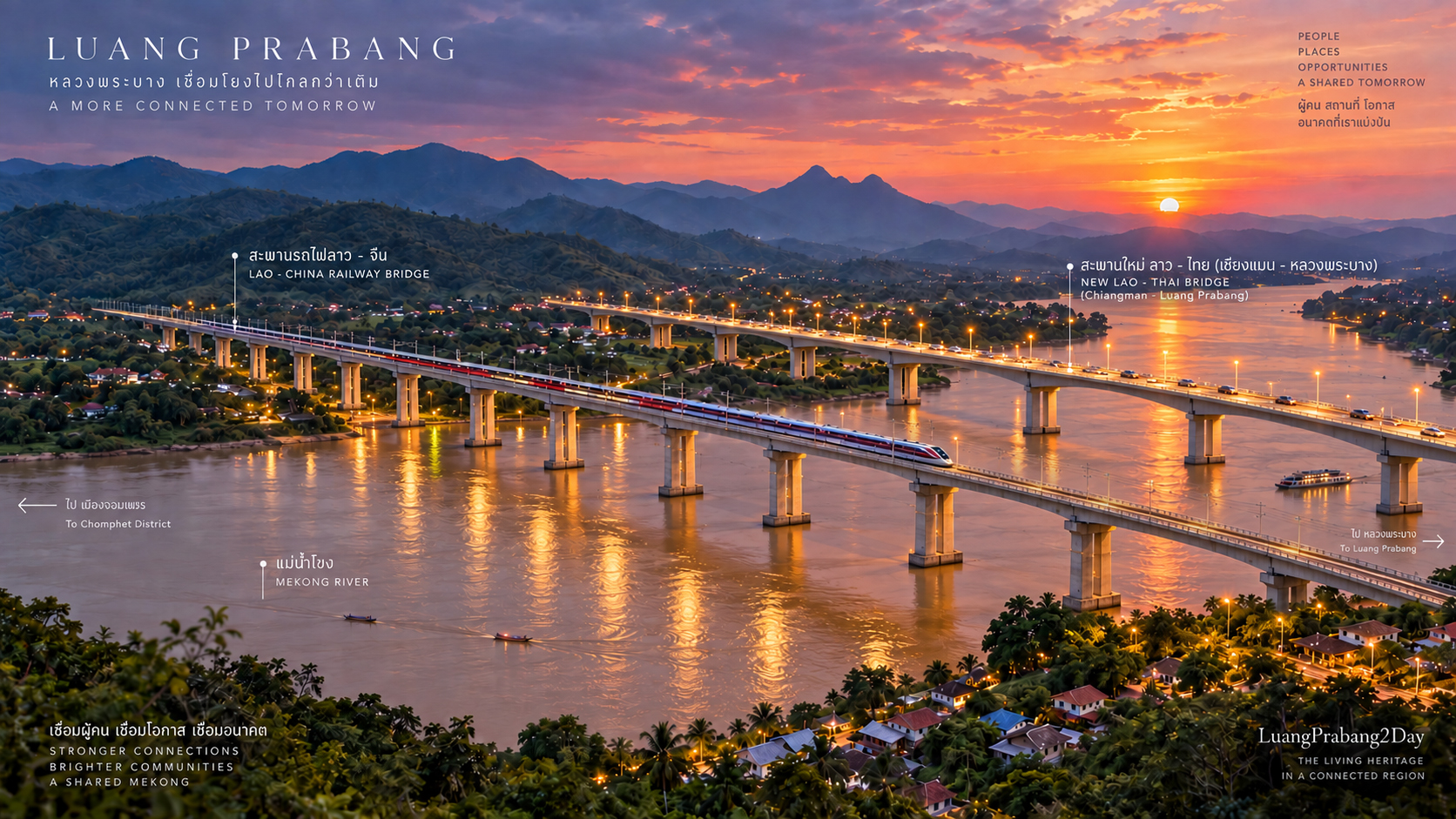
จากรถไฟลาว–จีน สู่การเชื่อมต่อใหม่กับเวียดนามและไทย รถไฟกำลังเปลี่ยนวิธีที่ลาวเชื่อมโยงกับภูมิภาค
เป็นเวลาหลายทศวรรษที่ลาวมักถูกอธิบายผ่านสิ่งที่ประเทศ ไม่มี — นั่นคือ ไม่มีทางออกสู่ทะเล
ภูมิศาสตร์ทำให้ลาวตั้งอยู่ท่ามกลางประเทศเศ
รษฐกิจขนาดใหญ่กว่าอย่างจีน ไทย และเวียดนาม ขณะที่การค้าระหว่างประเทศจำนวนมากต้องพึ่งพาถนนและด่านชายแดน
แต่ภาพนั้นกำลังเปลี่ยนไป
เรื่องราวรถไฟของลาวในวันนี้ไม่ได้มีเพียงการมาถึงของ รถไฟลาว–จีนในปี 2021 อีกต่อไป ในปี 2026 กำลังเกิดภาพของเครือข่ายที่ใหญ่ขึ้น — มีรถไฟที่เชื่อมลาวกับจีนอยู่แล้ว การเชื่อมต่อกับไทยกำลังขยายตัว และมีแผนพัฒนาเส้นทางใหม่ไปยังชายฝั่งเวียดนาม
ดังนั้น คำถามสำคัญจึงไม่ใช่เพียงว่า ลาวมีทางรถไฟกี่กิโลเมตร
แต่คือ เส้นทางเหล่านี้อาจเปลี่ยนตำแหน่งของลาวในภูมิภาคเอเชียตะวันออกเฉียงใต้ภาคพื้นทวีปได้อย่างไร
รถไฟสายที่เปลี่ยนลาวไปแล้ว
รถไฟลาว–จีนเปิดให้บริการในเดือนธันวาคม 2021 เชื่อมเมืองคุนหมิงในมณฑลยูนนานของจีนกับนครหลวงเวียงจันทน์
ในช่วงแรก รถไฟสายนี้มักถูกพูดถึงในฐานะเส้นทางสำหรับผู้โดยสารและการท่องเที่ยวเป็นหลัก
แต่บทบาทของรถไฟกำลังขยายตัวมากขึ้น
ตามรายงานของสำนักข่าว KPL ของลาว รถไฟสายนี้ขนส่งสินค้ามากกว่า 90 ล้านตัน แล้วจนถึงเดือนสิงหาคม 2026 รวมถึงสินค้าข้ามพรมแดนมากกว่า 21 ล้านตัน มีขบวนรถไฟขนส่งสินค้ามากกว่า 80,000 ขบวน โดยในจำนวนนี้เป็นขบวนข้ามพรมแดนมากกว่า 23,000 ขบวน
ปัจจุบันสินค้าที่เดินทางผ่านระบบรถไฟสามารถเข้าถึงตลาดใน 19 ประเทศและภูมิภาค รวมถึงไทย เวียดนาม มาเลเซีย สิงคโปร์ เมียนมา กัมพูชา และบังกลาเทศ ตามรายงานของ KPL จำนวนประเภทสินค้าที่ขนส่งเพิ่มขึ้นจากเพียงกว่า 10 ประเภทในช่วงเริ่มต้น เป็นมากกว่า 4,000 ประเภท
ตัวเลขเหล่านี้มีความสำคัญ เพราะแสดงให้เห็นว่ารถไฟไม่ได้เป็นเพียงเส้นทางระหว่างสองประเทศอีกต่อไป
แต่กำลังกลายเป็นส่วนหนึ่งของ เครือข่ายโลจิสติกส์ระดับภูมิภาค
การค้ากำลังเติบโต
ในช่วงครึ่งแรกของปี 2026 มูลค่าการนำเข้าและส่งออกที่ขนส่งผ่านรถไฟลาว–จีนอยู่ที่ 17.17 พันล้านหยวน เพิ่มขึ้น 33.8% เมื่อเทียบกับช่วงเดียวกันของปีก่อน ตามข้อมูลของ KPL
สิ่งนี้ทำให้ความสำคัญของรถไฟแตกต่างจากเพียงการช่วยลดระยะเวลาเดินทาง
รถไฟกำลังกลายเป็นส่วนหนึ่งของระบบที่สินค้าถูกเคลื่อนย้าย ผ่านลาว
จำนวนผู้โดยสารก็เพิ่มขึ้นเช่นกัน
ในด้านผู้โดยสาร รถไฟยังคงเติบโตอย่างต่อเนื่อง
ภายในเดือนมิถุนายน 2026 รถไฟลาว–จีนมีผู้โดยสารใช้บริการรวมมากกว่า 73.38 ล้านคน นับตั้งแต่เปิดให้บริการ โดยในจำนวนนี้เป็นผู้เดินทางข้ามพรมแดนมากกว่า 840,000 คน
จำนวนผู้โดยสารในฝั่งลาวยังคงเพิ่มขึ้น ขณะที่บริการรถไฟระหว่างประเทศโดยตรงระหว่างคุนหมิงและเวียงจันทน์ได้สร้างทางเลือกใหม่สำหรับการเดินทางเพื่อการท่องเที่ยวและธุรกิจ
เรื่องนี้มีความสำคัญโดยเฉพาะกับ หลวงพระบาง
รถไฟได้เปลี่ยนภูมิศาสตร์ของการเข้าถึงเมือง
หลวงพระบางไม่ได้เชื่อมต่อกับระบบคมนาคมระดับภูมิภาคผ่านถนนและสนามบินเพียงอย่างเดียวอีกต่อไป
รถไฟได้กลายเป็นอีกหนึ่งประตูสำคัญของเมือง
และสิ่งนี้กำลังเปลี่ยนความสัมพันธ์ระหว่างหลวงพระบางกับภูมิภาคโดยรอบ
รถไฟสายต่อไป: สู่เวียดนาม
ส่วนสำคัญต่อไปของเรื่องราวยังอยู่ข้างหน้า
เมื่อวันที่ 31 มีนาคม 2026 ลาวและเวียดนามได้ลงนามในข้อตกลงสัมปทานสำหรับโครงการ รถไฟท่าแขก–มูยา (Thakhek–Mu Ya Railway) ซึ่งจะเชื่อมท่าแขกในแขวงคำม่วนกับด่านมูยาทางฝั่งเวียดนาม
โครงการนี้เป็นส่วนหนึ่งของแผนการเชื่อมต่อทางรถไฟที่กว้างขึ้นระหว่างเวียงจันทน์กับพื้นที่ หวุงอ๋าง (Vung Ang) ของเวียดนาม
ความสำคัญของโครงการอยู่ที่เรื่อง ภูมิศาสตร์
รถไฟลาว–จีนทำให้ลาวมีเส้นทางรถไฟขนาดใหญ่ไปทางเหนือ
ขณะที่รถไฟลาว–เวียดนามที่เสนอจะสร้างเส้นทางอีกทิศทางหนึ่ง:
เวียงจันทน์ → ท่าแขก → เวียดนาม → หวุงอ๋าง
แทนที่จะมองลาวว่าเป็นเพียงประเทศที่อยู่ “ปลายทาง” ของเส้นทางรถไฟ การเชื่อมต่อเหล่านี้เปิดความเป็นไปได้ให้ลาวกลายเป็น จุดเชื่อมระหว่างระบบรถไฟและระบบโลจิสติกส์หลายแห่ง
รัฐบาลลาวอธิบายโครงการนี้ว่าเป็นส่วนหนึ่งของเป้าหมายระยะยาวในการเปลี่ยนประเทศจาก “landlocked” สู่ “land-linked”
หรือจากประเทศที่ไม่มีทางออกทะเล ไปสู่ประเทศที่ใช้ตำแหน่งทางภูมิศาสตร์ของตนเป็น จุดเชื่อมโยง
รถไฟสู่ทะเล
หนึ่งในประเด็นสำคัญที่สุดของรถไฟลาว–เวียดนาม คือความสัมพันธ์กับชายฝั่งทะเลของเวียดนาม
การเชื่อมต่อไปยังหวุงอ๋างจะทำให้ลาวมีอีกหนึ่งเส้นทางสู่การค้าทางทะเล
ไม่ได้หมายความว่าลาวจะหยุดใช้ถนน ท่าเรือเดิม หรือเส้นทางรถไฟอื่น ๆ
แต่หมายถึงการมี ทางเลือกเพิ่มขึ้น
สำหรับธุรกิจ ผู้ให้บริการโลจิสติกส์ และผู้ส่งออก การมีเส้นทางหลายทางอาจมีความสำคัญอย่างมาก
รถไฟที่เชื่อมภาคกลางของลาวกับเวียดนามอาจเปลี่ยนวิธีการเคลื่อนย้ายสินค้าระหว่าง:
จีน → ลาว → เวียดนาม
และ
ไทย → ลาว → เวียดนาม
อย่างไรก็ตาม ผลกระทบทางเศรษฐกิจที่แท้จริงจะขึ้นอยู่กับหลายปัจจัย เช่น การก่อสร้าง ขั้นตอนชายแดน ต้นทุนการขนส่ง ความสามารถของท่าเรือ และการเชื่อมต่อระหว่างระบบรถไฟต่าง ๆ
แต่ทิศทางของการเปลี่ยนแปลงนั้นเริ่มมองเห็นได้แล้ว
ไทยกำลังกลายเป็นส่วนหนึ่งของภาพเดียวกัน
ส่วนที่สามของเรื่องราวคือการเชื่อมต่อทางรถไฟระหว่างลาวกับไทย
ในปี 2026 การขยายรถไฟลาว–ไทยระยะที่ 2 ทำให้บริการรถไฟเข้าใกล้ใจกลางนครหลวงเวียงจันทน์มากขึ้นผ่าน สถานีคำสะหวาด (Khamsavath Station) แห่งใหม่
KPL รายงานว่าการทดลองให้บริการรวมถึงเส้นทางรถไฟตรง กรุงเทพฯ–เวียงจันทน์ ขณะที่สถานีแห่งใหม่มีสิ่งอำนวยความสะดวกสำหรับศุลกากร ตรวจคนเข้าเมือง และการกักกันโรคสำหรับการเดินทางข้ามพรมแดน
สิ่งนี้สร้างอีกหนึ่งทิศทางที่สำคัญ:
ไทย ↔ เวียงจันทน์ ↔ รถไฟลาว–จีน
กล่าวอีกอย่างหนึ่งคือ รถไฟของลาวไม่ได้พัฒนาอย่างโดดเดี่ยว
แต่กำลังค่อย ๆ เชื่อมต่อเข้ากับระบบรถไฟของประเทศเพื่อนบ้าน
ลาวกำลังกลายเป็นจุดเชื่อมต่อ
ตรงนี้เองที่เรื่องราวเริ่มใหญ่กว่าโครงสร้างพื้นฐานทางรถไฟ
ลองมองภูมิศาสตร์:
จีน
↓
หลวงพระบาง
↓
เวียงจันทน์
↓
ไทย
และอาจมีอีกเส้นทางหนึ่ง:
เวียงจันทน์
↓
ท่าแขก
↓
เวียดนาม / หวุงอ๋าง
ผลที่เกิดขึ้นคือประเทศที่มีเส้นทางรถไฟเชื่อมออกไปหลายทิศทาง
นี่เป็นตำแหน่งที่แตกต่างจากลาวในช่วงต้นทศวรรษ 2000 อย่างมาก
รถไฟไม่ได้ลบข้อจำกัดทางภูมิศาสตร์
แต่กำลัง เปลี่ยนวิธีที่ลาวใช้ประโยชน์จากภูมิศาสตร์ของตนเอง
แล้วสิ่งนี้หมายถึงอะไรสำหรับหลวงพระบาง?
สำหรับหลวงพระบาง คำถามนี้น่าสนใจเป็นพิเศษ
เมืองตั้งอยู่บนแนวรถไฟลาว–จีนทางตอนเหนือ ระหว่างเวียงจันทน์กับมณฑลยูนนานของจีน
ตำแหน่งนี้ทำให้หลวงพระบางอยู่ภายในเส้นทางการเคลื่อนย้ายผู้คน สินค้า และการลงทุนที่มีขนาดใหญ่กว่าตัวเมืองเอง
แต่การเชื่อมต่อที่มากขึ้นก็สามารถนำมาทั้ง โอกาสและแรงกดดัน
ผู้มาเยือนที่เพิ่มขึ้นสามารถสนับสนุนโรงแรม ร้านอาหาร ธุรกิจการเดินทาง ผู้ประกอบการด้านวัฒนธรรม และผู้ผลิตท้องถิ่น
ขณะเดียวกัน การเข้าถึงที่ง่ายขึ้นอาจเร่งให้เกิด:
- การพัฒนาการท่องเที่ยว
- การเปลี่ยนแปลงการใช้ที่ดิน
- การลงทุนด้านอสังหาริมทรัพย์
- การจราจร
- แรงกดดันต่อพื้นที่มรดก
- การเปลี่ยนแปลงของธุรกิจท้องถิ่น
- การเคลื่อนย้ายผู้คนและสินค้า
สำหรับเมืองที่คุณค่าของเมืองเชื่อมโยงอย่างลึกซึ้งกับภูมิทัศน์เมืองประวัติศาสตร์และวัฒนธรรมที่ยังมีชีวิตอยู่ การเชื่อมต่อจึงไม่ใช่เพียงคำถามทางเศรษฐกิจ
แต่ยังเป็น คำถามทางวัฒนธรรม
เมืองประวัติศาสตร์จะเปลี่ยนไปอย่างไร เมื่อผู้คนสามารถเดินทางเข้าถึงเมืองได้ง่ายขึ้น?
จากโครงการรถไฟ สู่ระบบระดับภูมิภาค
ดังนั้น สิ่งที่น่าสนใจที่สุดเกี่ยวกับการพัฒนารถไฟของลาวอาจไม่ใช่รถไฟสายใดสายหนึ่ง
แต่คือการเกิดขึ้นของ “เครือข่าย”
รถไฟลาว–จีนเปิดให้บริการแล้ว
การเชื่อมต่อกับไทยกำลังขยายตัว
รถไฟลาว–เวียดนามกำลังได้รับการพัฒนาให้เป็นเส้นทางในอนาคต
และเส้นทางอื่น ๆ ที่อยู่ในแผนการพัฒนาอาจเพิ่มการเชื่อมโยงข้ามภูมิภาคเอเชียตะวันออกเฉียงใต้ภาคพื้นทวีปในอนาคต
รัฐบาลลาวยังแสวงหาความร่วมมือด้านเทคนิคและการลงทุนระหว่างประเทศเพื่อพัฒนาโครงสร้างพื้นฐาน รวมถึงการสนับสนุนโครงการรถไฟลาว–เวียดนาม โดยในเดือนกันยายน 2026 ลาวและเกาหลีใต้ได้หารือความร่วมมือด้านเทคโนโลยีสมัยใหม่และการพัฒนาโครงสร้างพื้นฐาน โดยฝ่ายลาวได้ร้องขอการสนับสนุนเพิ่มเติมสำหรับโครงการรถไฟลาว–เวียดนาม
ผลลัพธ์ระยะยาวยังไม่สามารถรับประกันได้
รถไฟต้องมีผู้โดยสาร มีสินค้า มีการลงทุน มีการบำรุงรักษา ระบบชายแดนที่มีประสิทธิภาพ และการเชื่อมต่อกับท่าเรือและถนนที่ทำงานร่วมกันได้
แต่ ทิศทางของการเปลี่ยนแปลงนั้นชัดเจนขึ้นเรื่อย ๆ
ลาวหลังยุครถไฟ
ท้ายที่สุดแล้ว เรื่องราวของรถไฟไม่ได้เป็นเพียงเรื่องของรถไฟ
แต่มันคือเรื่องของ “การเข้าถึง”
การเข้าถึงตลาด
การเข้าถึงท่าเรือ
การเข้าถึงประเทศเพื่อนบ้าน
การเข้าถึงสำหรับนักเดินทาง
การเข้าถึงสำหรับธุรกิจ
และการเชื่อมโยงระหว่างสถานที่ที่ในอดีตถูกแยกออกจากกันด้วยภูมิประเทศที่ยากลำบากและการเดินทางทางถนนที่ใช้เวลานาน
สำหรับหลวงพระบาง การเปลี่ยนแปลงนี้มองเห็นได้แล้ว
สำหรับลาวโดยรวม การเปลี่ยนแปลงครั้งใหญ่อาจยังอยู่ข้างหน้า
ประเทศไม่ได้เพียงถามอีกต่อไปว่าจะเอาชนะข้อจำกัดจากการไม่มีทางออกทะเลได้อย่างไร
แต่กำลังถามมากขึ้นว่า จะใช้ ตำแหน่งทางภูมิศาสตร์ของตนเอง เพื่อเป็นจุดเชื่อมระหว่าง จีน ไทย เวียดนาม และภูมิภาคเอเชียตะวันออกเฉียงใต้ที่กว้างขึ้น ได้อย่างไร
รถไฟไม่ใช่จุดหมายปลายทาง
มันกำลังกลายเป็นส่วนหนึ่งของโครงสร้างพื้นฐานของ “ลาวอีกแบบหนึ่ง”
แหล่งข้อมูล
- KPL — China-Laos Railway cargo transport exceeds 90 million tonnes, 20 August 2026
- KPL — China–Laos Railway Records Strong Growth in Cross-Border Passenger Traffic, 2 June 2026
- KPL — Laos, Vietnam Sign Concession Agreement for Thakhek–Mu Ya Railway, 1 April 2026
- KPL — Laos–Thai Railway Extends Service to Khamsavath Station, 10 March 2026
- KPL — Laos, Republic of Korea Strengthen Cooperation on Sustainable Infrastructure, 17 September 2026
.jpg)