Follow us

Luang Prabang Today

Luang Prabang Today

  • Home
  • Editorial Framework
  • MEDIA CHARTER
  • Cultural Governance
  • Ritual Infrastructure
  • Professional Standards
  • Stewardship
  • About
Home Archive for October 2026


Living Heritage | Luang Prabang, Lao PDR

19–27 October 2026

As night falls, Luang Prabang takes on another character.

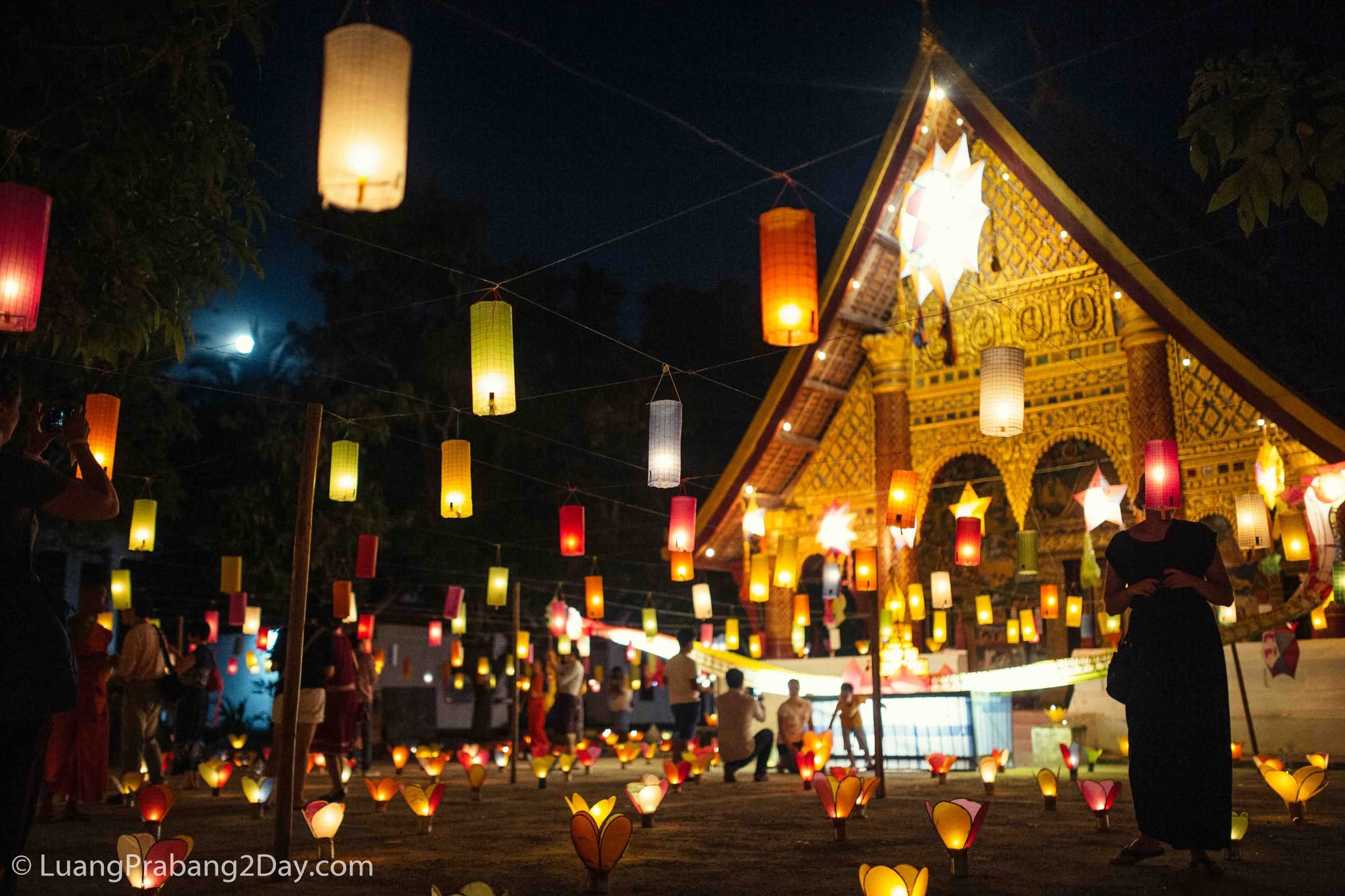
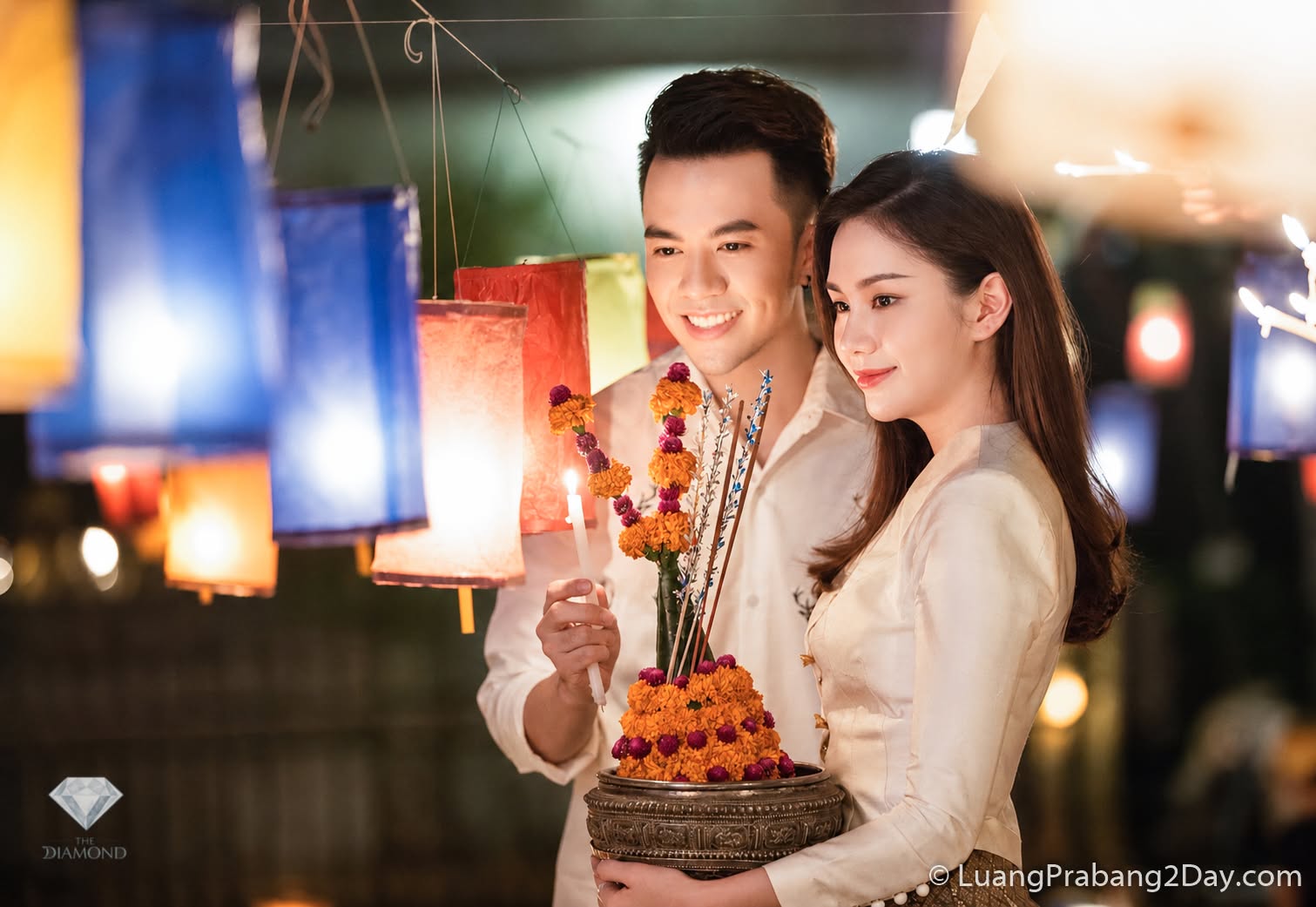
Ancient temples glow beneath the warm light of candles and lanterns. Colorful decorations illuminate the old town, while families, local residents, and visitors gather among the lights that transform the city after dark.

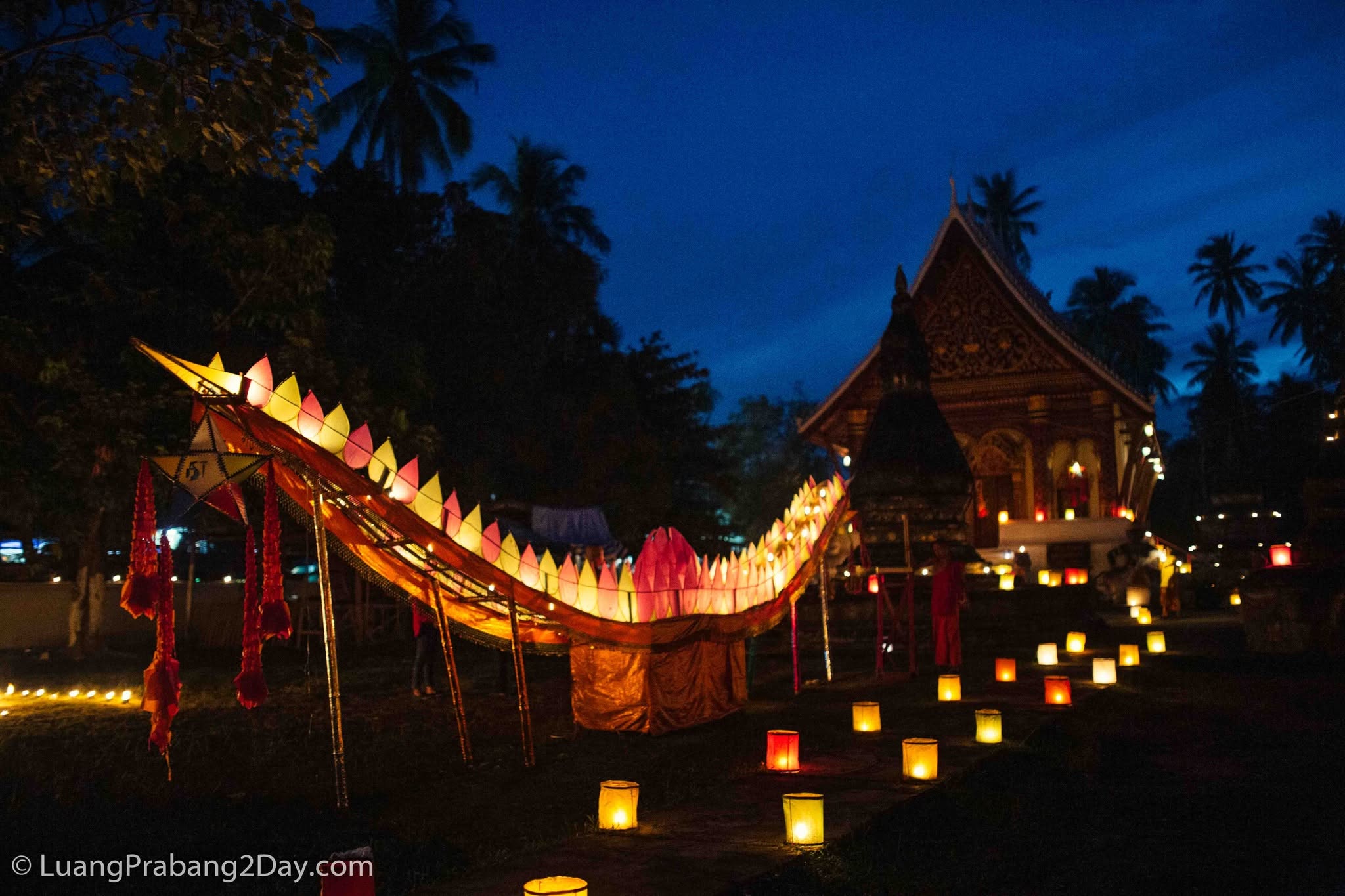
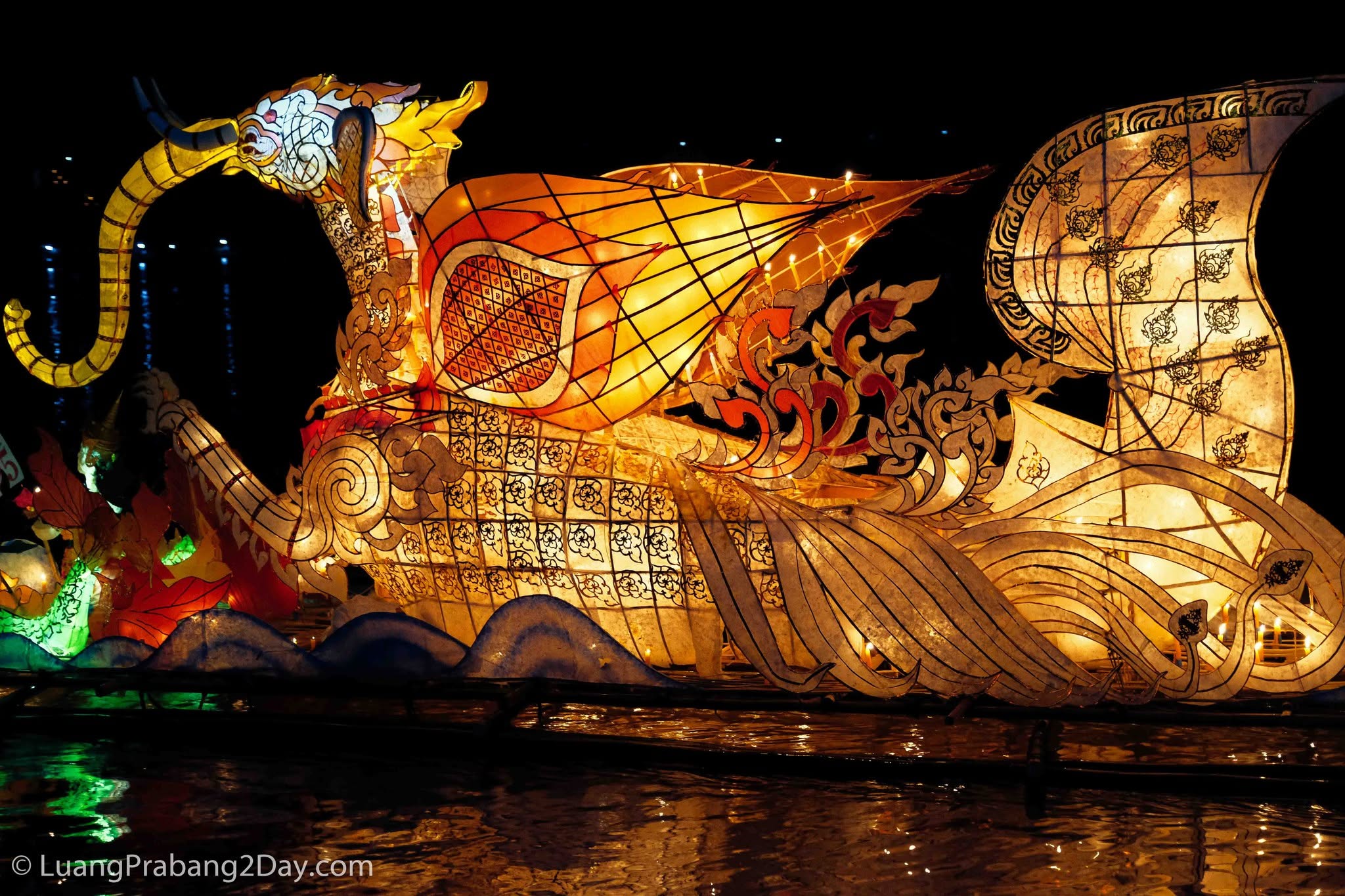
Along the Mekong River, illuminated ceremonial boats bring another dimension to the celebration. Carefully crafted and decorated with lights and candles, these traditional creations reflect the devotion, craftsmanship, and collective effort that make the annual Boat Lighting Festival an important part of Luang Prabang's cultural life.

For a few nights, the city becomes a landscape of light—where architecture, spirituality, community, and the river come together.

A City Transformed by Light

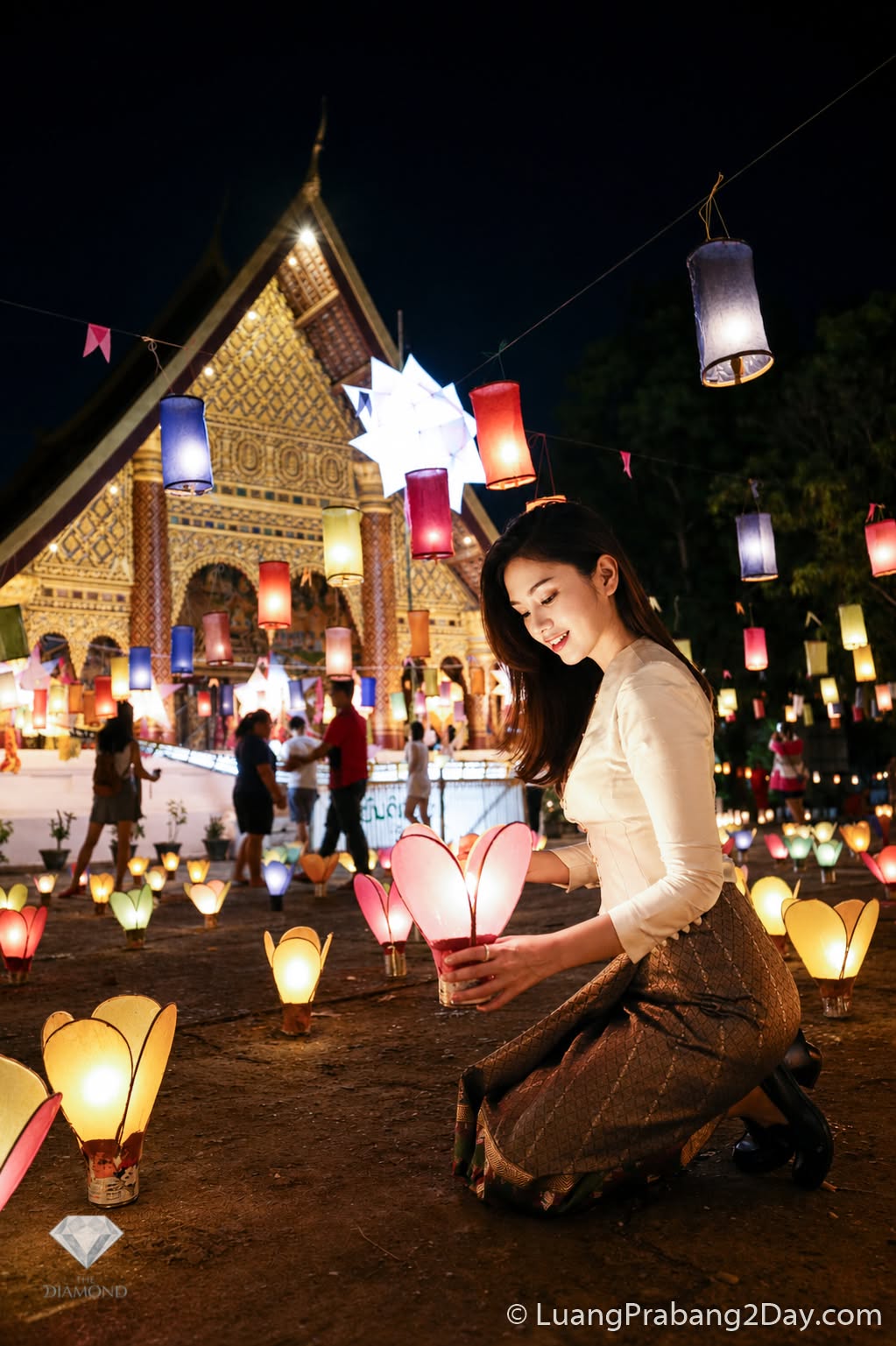
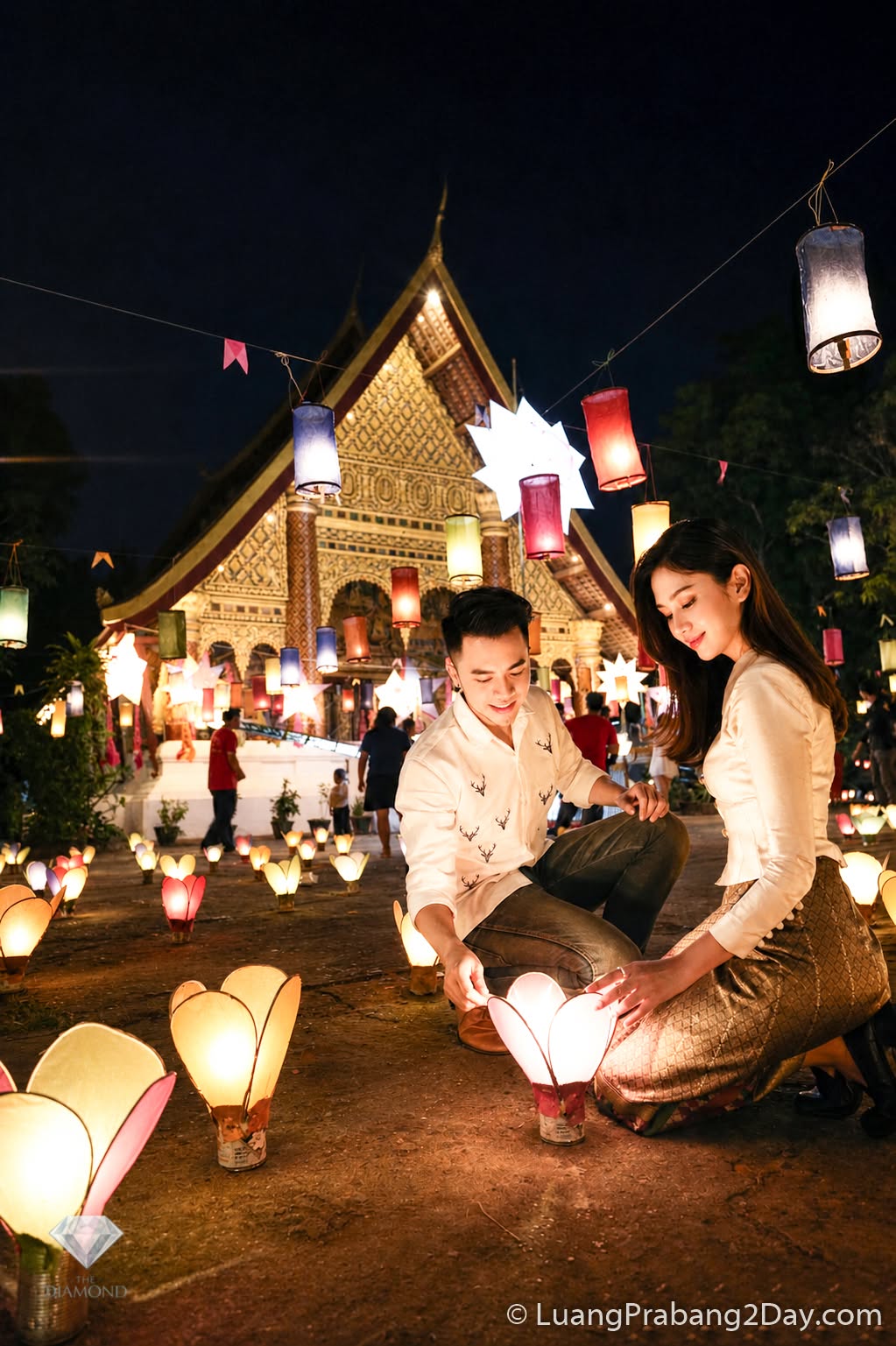
During the festival period, lanterns hang above streets and temple courtyards, while candlelight reveals the intricate details of traditional Lao architecture.

Golden temple facades, colorful handmade decorations, and the soft glow of illuminated offerings create an atmosphere that is both spectacular and intimate.

Yet the significance of these nights extends beyond their visual beauty. The celebrations are connected to Boun Ork Phansa, the end of Buddhist Lent, and the traditions of Boun Lai Heua Fai, the Boat Lighting Festival.

These occasions bring religious practice and community participation into the public life of the city. They mark a meaningful moment in the Buddhist calendar and reflect the enduring relationship between Luang Prabang's people, temples, and river.

The People Behind the Light

Every illuminated lantern tells a story of preparation.

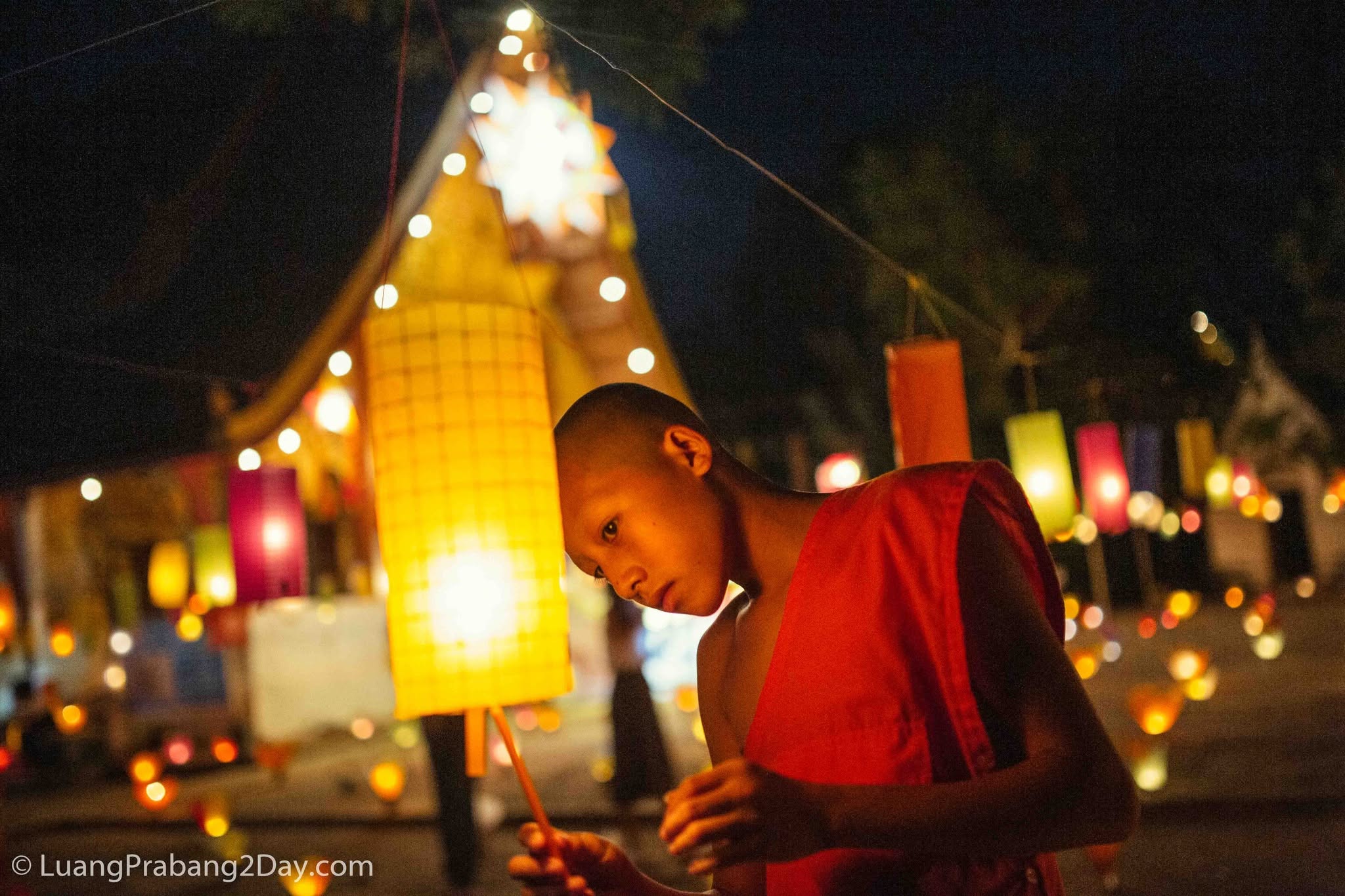
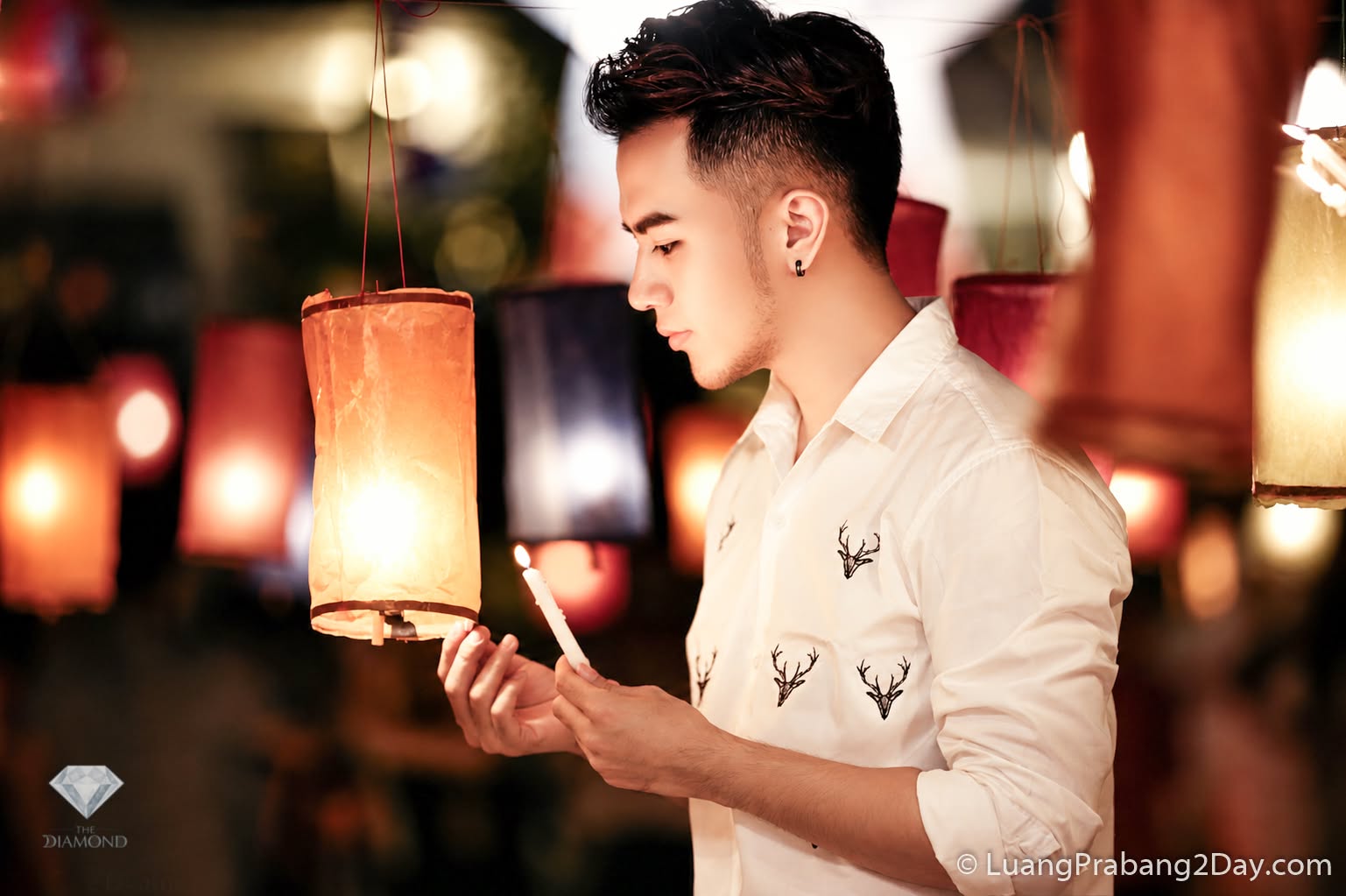
Someone has made it by hand. Someone has carried it into the temple courtyard. Someone has carefully placed a candle inside and watched as its light began to glow.

These gestures may appear small, but together they create the atmosphere that defines the festival.

The people who prepare offerings, decorate temple grounds, arrange lanterns, and participate in the celebrations are not simply part of the scene. They are the people who keep the tradition alive.

Through their participation, cultural knowledge passes from one generation to another. The festival continues not only because its lights are beautiful, but because people continue to give its rituals meaning.

Tradition in the Temple Courtyard

At night, the temple courtyard becomes a place where architecture, devotion, and everyday community life meet.

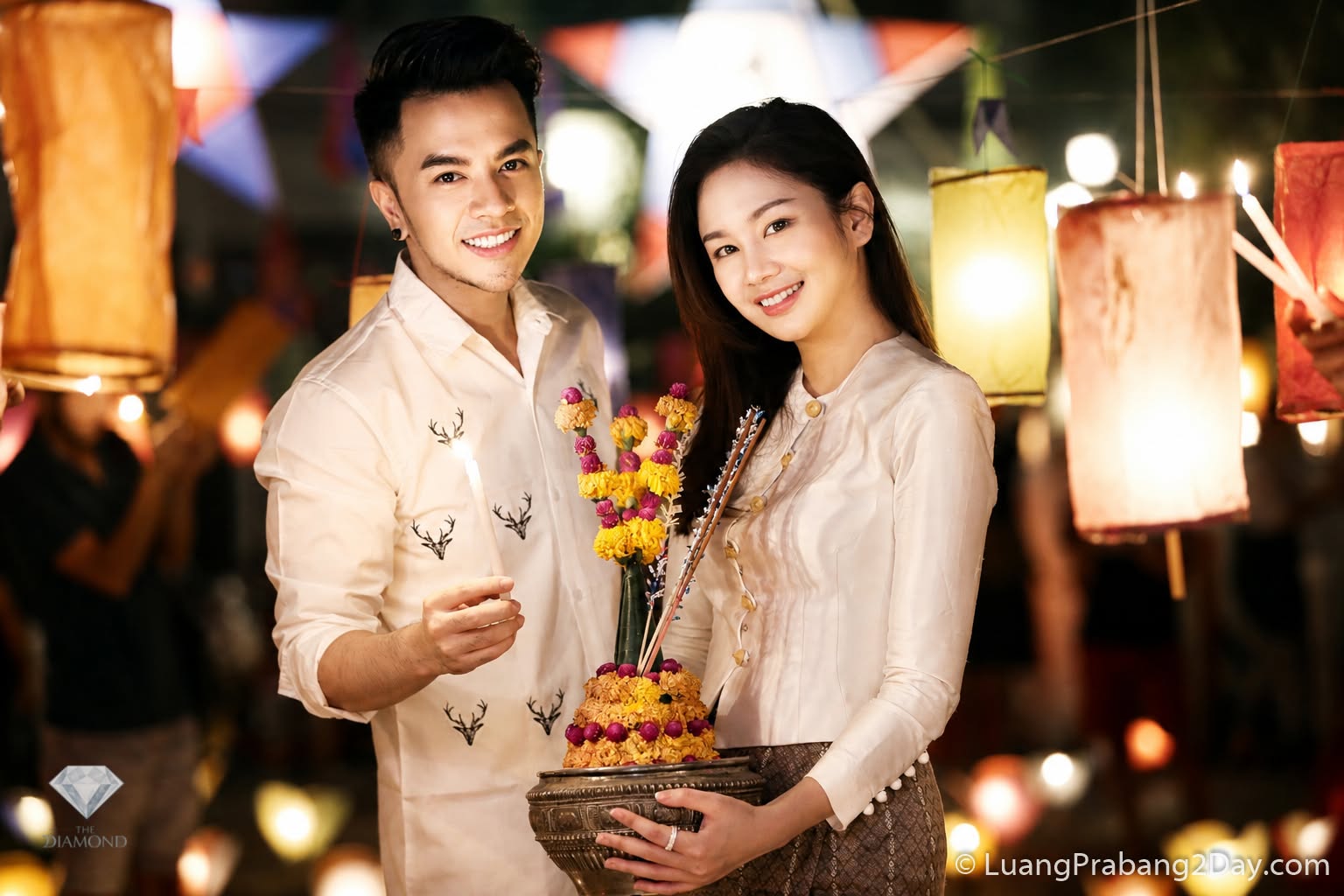
People gather around candlelit decorations and floral offerings, creating moments of reflection and shared participation. Traditional buildings stand beneath colorful lanterns, while the surrounding darkness makes each light seem even more vivid.

For photographers, these scenes offer extraordinary contrasts of light, color, and texture. For the people taking part, they are moments connected to belief, custom, and belonging.

Understanding the festival means looking beyond the photograph to recognize the traditions and relationships that give each scene its deeper significance.

The Mekong and the Boats of Light

The illuminated boats are among the most distinctive expressions of Lai Heua Fai.

Their preparation brings together craftsmanship, creativity, and community effort. Once illuminated, the boats create striking displays of color against the night sky and the dark waters of the Mekong.

The river is more than a scenic setting. It forms part of Luang Prabang's living cultural landscape, connecting the town's history, spiritual life, and generations of people who have lived beside its waters.

As the festival reaches its principal celebrations, the lights of the boats bring the community's work into public view. Their beauty is inseparable from the hands that created them and the traditions that give them meaning.

Living Heritage Beyond the Spectacle

Luang Prabang's cultural heritage is not preserved only in monuments, historic buildings, or photographs. It continues through people who practice traditions, share skills, prepare offerings, and gather for celebrations that remain meaningful in their lives.

The Boat Lighting Festival makes this continuity visible.

Its lanterns illuminate the temples and streets, but the deeper story is found in the people behind them—in the craftsmanship, devotion, and shared experiences that connect the past with the present.

As the festival period draws to a close, the lanterns will eventually come down and the city will return to its quieter rhythm. Yet the knowledge, memories, and community relationships carried through the celebration remain.

When the boats of light return to the river, what remains is the living heritage of the people who made them.

For a few nights, Luang Prabang becomes a city of light. For generations, its people have helped keep that light alive.


Festival Information

Event: Boun Lai Heua Fai — Luang Prabang Boat Lighting Festival
Festival period: 19–27 October 2026
Location: Luang Prabang, Lao PDR

The broader date range refers to the festival's illuminated atmosphere and related activities. Boun Ork Phansa falls on 26 October, with the main boat-lighting celebration expected on 27 October 2026.


Contributors & Credits

Pavenaphone Boupha — Nang Sangkhan 2008
Atsaryaphong Boupha — Artist, Actor & Singer

Produced by: The Diamond Luang Prabang

Editorial Platform: www.LuangPrabang2Day.com

Independent cultural documentation of Luang Prabang.

Photography © The Diamond Luang Prabang / LuangPrabang2Day.com


More photos please visit The Diamond Luang Prabang, Facebook fan page,

Living Heritage | Luang Prabang, Lao PDR

As October draws to a close, Luang Prabang begins to glow with the warm light of candles, handmade lanterns and illuminated ceremonial boats. From 19 to 27 October 2026, the town’s streets, temples and homes become part of a seasonal celebration that connects Buddhist faith, traditional craftsmanship and community life.

Known locally as Boun Lai Heua Fai (ບຸນໄຫຼເຮືອໄຟ), the Festival of Light Boats is one of Luang Prabang’s most distinctive annual cultural traditions. The celebrations accompany the end of Buddhist Lent, known as Boun Ork Phansa, which falls on 26 October this year. The illuminated boat procession is scheduled for 27 October. Source: The Star

A Town Illuminated by Tradition

In the evenings leading up to the main celebration, the historic town takes on a different character. Colourful lanterns hang above streets and temple courtyards, while small candlelit displays illuminate the darkness. Their reflections appear across the Mekong River, creating a landscape shaped by light, water and the silhouettes of traditional Lao architecture.

Yet the significance of these displays extends beyond their visual beauty. They are expressions of a cultural tradition maintained through the participation of local communities, temples, schools and other groups.

The preparations themselves form an important part of the celebration. Paper lanterns are assembled, decorative structures are carefully constructed, and individual communities contribute their time and skills to the annual observance.

The Craftsmanship of the Fire Boats

Among the festival’s most striking features are the large illuminated boats, many designed in the form of nagas, mythical serpentine beings deeply rooted in Lao cultural imagination.

Constructed using materials such as bamboo, paper and banana trunks, these elaborate structures combine traditional techniques with artistic interpretation. Their intricate patterns and illuminated surfaces reveal the patience and collective effort required to bring each design to life.

The boats are not simply decorative objects. They represent the work of the people and communities who create them, bringing together generations of knowledge, artistic expression and shared participation.

As night falls on the main procession, the illuminated vessels move through the historic town towards the Mekong River. The spectacle is both a public celebration and an expression of the cultural relationships connecting Luang Prabang’s temples, communities and river landscape.

Candles, Faith and the River

The festival’s smaller offerings provide a more intimate perspective on the celebration.

Families and individuals prepare small candlelit floats, often decorated with flowers and other offerings. When placed upon the river, these lights carry personal hopes and wishes, reflecting traditions associated with making merit, expressing gratitude and letting go of misfortune.

Within Luang Prabang’s Buddhist cultural landscape, the river is more than a geographical feature. It is part of the environment in which spiritual beliefs, community practices and everyday life have developed over generations.

The sight of small floating lights alongside the larger ceremonial boats captures this relationship between individual devotion and collective cultural expression.

The People Behind the Light

The enduring character of Boun Lai Heua Fai rests not only in its illuminated boats or spectacular evening displays, but also in the people who sustain it.

Monks and novices, craftspeople, students, families and local communities contribute to different aspects of the celebrations. Their participation connects the festival to the living traditions of Luang Prabang rather than leaving it as a spectacle remembered only through photographs.

The work of building a boat, preparing a temple courtyard or arranging hundreds of candles may receive less attention than the final procession. Yet these activities are essential to understanding how cultural heritage continues to exist in practice.

Each year, familiar traditions are renewed through the hands of those who prepare, participate in and pass them forward.

Beyond the Spectacle: Luang Prabang as Living Heritage

Luang Prabang is internationally recognised for its historic architecture and cultural significance. However, the meaning of its heritage cannot be understood through buildings and monuments alone.

Its living heritage is also found in seasonal rituals, religious observances, craftsmanship, community relationships and the rhythms that continue to shape local life.

Boun Lai Heua Fai brings these dimensions together. The temples provide places of preparation and devotion; the communities contribute creative knowledge and collective effort; and the Mekong becomes the setting for a shared cultural expression.

For visitors, the festival offers an opportunity to observe this living cultural landscape. Experiencing it respectfully means recognising that the ceremonies are not staged solely for an audience. They belong first to the communities whose traditions give them meaning.

When the Lights Fade

As the celebrations reach their conclusion on 27 October, the illuminated boats and floating candles will gradually disappear into the darkness of the river. The lanterns will eventually be taken down, and the town will return to its ordinary rhythms.

But the end of the festival does not mark the end of the tradition.

Its continuity depends on the knowledge, skills, faith and participation carried forward by local people. Each year’s celebration becomes another chapter in a cultural history that remains active in the present.

In Luang Prabang, light is more than an image reflected across the Mekong. It is a reminder of the relationships between people, place and memory.

When the boats of light return to the river, what remains is the living heritage of the people who made them.


Luang Prabang | Lao PDR | October 2026

Editorial: LuangPrabang2Day.com — Living Heritage

Photography © LuangPrabang2Day.com

Subscribe to: Posts ( Atom )

Pages

  • EDITORIAL FRAMEWORK
  • MEDIA CHARTER
  • CULTURAL GOVERNANCE
  • RITUAL INFRASTRUCTURE
  • PROFESSIONAL STANDARDS
  • STEWARDSHIP
  • ABOUT
  • CONTACT US
LaoSEO
Digital for Everyone
BUSINESS TECHNOLOGY & AI AUTOMATION
01
Remote IT Support
ໃຫ້ບໍລິການ Remote IT Help Desk ແກ້ໄຂບັນຫາ IT ຜ່ານລະບົບອອນໄລນ໌ ຕາມມາດຕະຖານສາກົນ ITIL 4 ຢ່າງວ່ອງໄວ ໂດຍບໍ່ຕ້ອງຖ້ານັກວິຊາການລົງພື້ນທີ່.
100% Remote Help Desk & Online IT Operations managed via ITIL 4 framework for fast response time.
Remote Help Desk • Incident Management • Problem Management • Service Requests • ITIL 4 Aligned
02
Network & Business Systems
ວາງລະບົບ, ກວດສອບ ແລະ ປັບປຸງ Network ພ້ອມລະບົບ IT ເຊັ່ນ PMS/POS ສຳລັບໂຮງແຮມ, ຮ້ານອາຫານ ແລະ ທຸລະກິດ.
Infrastructure setup & Optimization for Hotels, Restaurants, and Enterprise Systems.
Wi-Fi & Network • CCTV • Phone System • PMS / POS • Server & Cloud
03
Cybersecurity & Risk Control
ຊ່ວຍທຸລະກິດກວດສອບ, ປ້ອງກັນເງິນລົ່ວໄຫຼ ແລະ ຫຼຸດຄວາມສ່ຽງດ້ານ Cybersecurity ພ້ອມປົກປ້ອງຂໍ້ມູນສຳຄັນ.
System Audits, Risk Mitigation, Financial Leakage Protection, and Data Privacy.
Security Assessment • Risk & Controls • Firewall & VLAN • Backup • Security Awareness
04
AI, Data & Business Automation
ປ່ຽນວຽກເອກະສານ ແລະ ການປ້ອນຂໍ້ມູນດ້ວຍມື ໃຫ້ເປັນລະບົບອັດຕະໂນມັດດ້ວຍ AI + OCR, ເຊື່ອມຕໍ່ Excel/CSV ເຂົ້າ MySQL ແລະ ອອກລາຍງານ Real-time Dashboard.
AI Document OCR, Automated Data Entry to Excel & MySQL, API Integration, and Executive Analytics Dashboards.
AI Document Reading (OCR) • Excel Automation • MySQL Database • API Integration • Business Dashboards
05
Websites, SEO & AI Search
ສ້າງຕົວຕົນອອນລາຍ ແລະ ເພີ່ມຍອດຂາຍຜ່ານເວັບໄຊທີ່ຮອງຮັບ Google SEO, GEO ແລະ AI Search Engine ພ້ອມການສ້າງເນື້ອຫາດ້ວຍ AI.
Brand Visibility Expansion via Website Development, SEO, AI Content Generation, and Next-Gen AI Search Engine Optimization.
Website Development • SEO & GEO • AEO • AI Search • AI Content • Growth Automation
ຫຼຸດວຽກຊ້ຳໆ ເພີ່ມເວລາໃຫ້ທຸລະກິດດ້ວຍ AI
ປຶກສາການປັບປ່ຽນວຽກເອກະສານ ແລະ ລະບົບ IT ໃຫ້ເປັນອັດຕະໂນມັດ ໂດຍບໍ່ຕ້ອງປ່ຽນລະບົບເກົ່າທັງໝົດ.
ປຶກສາຟຣີຜ່ານ Facebook →
**History is meaningful only when it can be verified. Since 2007, LuangPrabang2Day — Luang Prabang Today has documented the evolving story of Luang Prabang through original documentary photography, community archives, editorial publications, and long-term field observation. This page presents verifiable evidence of the platform's continuous development over nearly two decades, including historical publications, archived community discussions, original photographic documentation, and publicly accessible digital archives. Together, these records demonstrate an ongoing commitment to documenting, understanding, and preserving the living cultural heritage of Luang Prabang.
  • Read More
  • Popular Posts

    • Lao New Year Documentary Collection — Set 3 The Hae Vor parade (ຂະບວນແຫ່ວໍ່) — Nang Sangkane 2026
    • Lao New Year Documentary Collection — Set 2 The Buddha Water Blessing Ceremony (ພິທີສົງນໍ້າພະ)
    • The Hae Vor Parade Lao New Year in Luang Prabang 2026
    • Lao New Year Documentary Collection — Set 1 Traditional Market Fair
    • Bangkok to Luang Prabang by Train (2026 Guide)
    • Nang Sangkane 2025
    • The Laos–China Railway Experience
    • The Two-Hour Shift: Chasing the Mekong Rhythms on the Laos–China Railway
    • กรุงเทพ → หลวงพระบาง โดยรถไฟ (คู่มือสมบูรณ์ 2026)
    • Why Luang Prabang Needs Cultural Diplomacy and Governance — Not More Promotion

    Blog Archive

    • ▼  2026 (75)
      • ▼  October (2)
        • The Spectacular Nights of Luang Prabang: The Boat ...
        • The End of Buddhist Lent: Luang Prabang’s Boat Lig...
      • ►  September (5)
      • ►  August (2)
      • ►  July (9)
      • ►  June (4)
      • ►  May (1)
      • ►  April (9)
      • ►  March (21)
      • ►  February (13)
      • ►  January (9)
    • ►  2024 (27)
      • ►  December (3)
      • ►  November (1)
      • ►  September (23)
    • ►  2019 (10)
      • ►  November (5)
      • ►  October (2)
      • ►  July (3)
    • ►  2018 (15)
      • ►  August (2)
      • ►  July (1)
      • ►  June (11)
      • ►  March (1)
    • ►  2017 (18)
      • ►  December (4)
      • ►  November (4)
      • ►  May (1)
      • ►  April (1)
      • ►  March (4)
      • ►  February (4)
    • ►  2011 (5)
      • ►  December (4)
      • ►  February (1)
    • ►  2010 (13)
      • ►  October (1)
      • ►  September (1)
      • ►  July (2)
      • ►  April (4)
      • ►  March (5)
    • ►  2009 (10)
      • ►  September (2)
      • ►  July (1)
      • ►  May (1)
      • ►  April (3)
      • ►  March (2)
      • ►  February (1)
    • ►  2008 (24)
      • ►  December (1)
      • ►  October (1)
      • ►  August (1)
      • ►  July (1)
      • ►  June (2)
      • ►  May (2)
      • ►  April (5)
      • ►  March (4)
      • ►  February (4)
      • ►  January (3)
    • ►  2007 (44)
      • ►  December (2)
      • ►  November (6)
      • ►  October (12)
      • ►  September (9)
      • ►  August (15)

    MENU

  • Home
  • Editorial Framework
  • MEDIA CHARTER
  • Cultural Governance
  • Ritual Infrastructure
  • Professional Standards
  • Stewardship
  • About
  • Contact Us
  • Legacy Archive (Since 2007)

    LuangPrabang2Day (Luang Prabang Today) was established online in 2007 as one of the earliest independent digital communities dedicated to documenting the people, culture, and living heritage of Luang Prabang.

    Our early discussions and community archives remain preserved through the LuangPrabang2Day (Luang Prabang Today) Legacy Forum Archive , providing a historical record of the platform's origins and its continuing commitment to documenting Luang Prabang.

    Established online since 2007 • Legacy Archive

    History: LuangPrabang2Day (Luang Prabang Today) has continuously documented the people, culture, traditions, and living heritage of Luang Prabang since 2007. For historical reference, our original community discussions remain accessible through the LuangPrabang2Day (Luang Prabang Today) Legacy Forum Archive .

    External References

    • UNESCO World Heritage Centre – World Heritage Convention
    • ICOMOS – International Council on Monuments and Sites
    • UNESCO – Culture and Heritage
    • Tourism Laos – National Level
    • Lao E-Visa – Official Government Site
    • Vientiane Times – National News and Context
    • LuangPrabang2Day.com – Independent cultural documentation and editorial observation

    © Luang Prabang 2Day – Heritage, Culture & System Insight

    Powered by Blogger.

    Report Abuse

    Search This Blog

    © 2007–2026 LuangPrabang2Day.com, ——An independent editorial platform based in Luang Prabang, Lao PDR — documenting living heritage through long-term observation, editorial interpretation, and cultural diplomacy.———Luang Prabang Today.–––– About the Platform • Editorial Principles • Privacy Policy • Observation Archive About • Editorial Policy • Contact • Terms and Conditions • Disclaimer